How I Turned Back Time with Simple Daily Shifts
Aging doesn’t have to mean slowing down. For years, I felt older than I looked—tired, stiff, and mentally foggy—until I started making small, consistent changes to my daily routine. It wasn’t about extreme diets or miracle creams, but a system of lifestyle upgrades that actually work. This is how I found more energy, clearer skin, and a stronger body just by shifting everyday habits—no hype, just real results. What I discovered wasn’t a secret known only to celebrities or wellness gurus, but accessible, science-backed practices that anyone can adopt. The journey wasn’t about reversing time, but about aligning my daily choices with the body’s natural ability to renew, repair, and thrive.
The Wake-Up Call: When Aging Started to Feel Real
There was a moment, not long ago, when I realized I was no longer bouncing back the way I used to. After a simple weekend hike, I spent three days sore and sluggish. Climbing stairs left me winded. My skin, once resilient, began showing fine lines and dry patches. Mornings brought grogginess instead of clarity. At first, I chalked it up to being 'middle-aged'—a phase I assumed was inevitable. Society often frames aging as a linear decline, something dictated solely by genes and time. But the truth, supported by decades of research in longevity science, is far more empowering: aging is not a fixed path. It is deeply influenced by daily behaviors.
Scientists now understand that while genetics play a role—accounting for about 20 to 30 percent of how we age—lifestyle factors such as sleep, nutrition, movement, and stress management have a much greater impact. The concept of 'biological age' versus 'chronological age' has gained traction in medical circles. Biological age reflects the functional state of your cells, organs, and systems. Two people can be 50 years old on paper, yet one may have the cardiovascular health, metabolism, and energy of someone ten years younger. This distinction is crucial because it means we are not passive observers of aging—we are active participants.
My turning point came when I read a study published in the journal *Aging* that showed lifestyle interventions could reverse biological aging markers in just eight weeks. Participants improved their telomere length, insulin sensitivity, and inflammatory profiles through diet, sleep, and stress reduction. That study shifted my mindset. I stopped seeing aging as something to endure and started viewing it as something to influence. The changes I made weren’t drastic. They were simple, repeatable, and rooted in consistency. And over time, they added up to something profound: a renewed sense of vitality that I hadn’t felt in years.
Sleep: The Silent Rejuvenator
If there’s one pillar of anti-aging that stands above the rest, it’s sleep. During deep sleep, the body activates repair mechanisms at the cellular level. Growth hormone is released, aiding in tissue regeneration. The brain clears out metabolic waste through the glymphatic system, reducing the risk of cognitive decline. Hormones like cortisol and insulin are rebalanced, helping to regulate stress and blood sugar. Without sufficient quality sleep, these processes are disrupted, accelerating signs of aging both inside and out.
Poor sleep doesn’t just make you tired—it actively contributes to inflammation, a key driver of aging. Chronic sleep deprivation elevates cortisol, the stress hormone, which breaks down collagen in the skin and weakens muscle tissue. It also impairs glucose metabolism, increasing the risk of insulin resistance, a precursor to type 2 diabetes. Over time, these imbalances manifest as weight gain, brain fog, and premature skin aging. Research from the University of California, Berkeley, shows that even a single night of poor sleep can increase beta-amyloid buildup in the brain—a protein linked to Alzheimer’s disease.
Improving sleep doesn’t require drastic measures. Start with consistency. Going to bed and waking up at the same time every day—even on weekends—helps regulate your circadian rhythm. Reduce exposure to blue light from screens at least one hour before bed. Consider using blue light filters or switching to warm-toned lighting in the evening. Optimize your sleep environment: keep the room cool (around 65°F or 18°C), dark, and quiet. Use blackout curtains, a white noise machine, or earplugs if needed. Avoid caffeine after noon and limit alcohol, which may help you fall asleep but disrupts deep sleep cycles.
One simple habit that transformed my sleep was creating a wind-down ritual. I replaced late-night scrolling with reading a physical book and drinking herbal tea—chamomile or passionflower. Within two weeks, I noticed deeper sleep and waking up feeling more refreshed. Over months, the cumulative effect was remarkable: fewer headaches, improved focus, and even a reduction in under-eye puffiness. Sleep, I realized, wasn’t a luxury—it was the foundation of every other healthy choice.
Movement That Matters: Beyond the Gym
Exercise is often framed as a way to lose weight or build muscle, but its role in aging well goes far beyond appearance. Regular movement supports mitochondrial health—the energy powerhouses of cells—slows muscle loss (sarcopenia), and maintains joint flexibility. It also improves circulation, delivering oxygen and nutrients to tissues while removing waste products. The good news? You don’t need to run marathons or spend hours lifting weights to reap these benefits. What matters most is consistency and variety.
Daily movement, not just structured workouts, is key. Sitting for long periods has been called 'the new smoking' due to its association with increased risk of heart disease, diabetes, and early mortality. The solution isn’t just hitting the gym three times a week—it’s integrating motion into your day. Simple actions like standing while talking on the phone, taking the stairs, or doing a five-minute stretch every hour can make a measurable difference. These micro-movements keep blood flowing, prevent stiffness, and support lymphatic drainage, which helps the body detoxify.
Walking is one of the most underrated forms of exercise. It’s low-impact, accessible, and highly effective. A study in the *Journal of the American Heart Association* found that walking 7,000 to 8,000 steps per day was associated with a 50 to 70 percent lower risk of mortality in middle-aged adults. Strength training is equally important. After age 30, adults lose 3 to 5 percent of muscle mass per decade, which slows metabolism and increases frailty risk. Incorporating bodyweight exercises like squats, lunges, and push-ups—even just two to three times a week—can preserve muscle and improve balance.
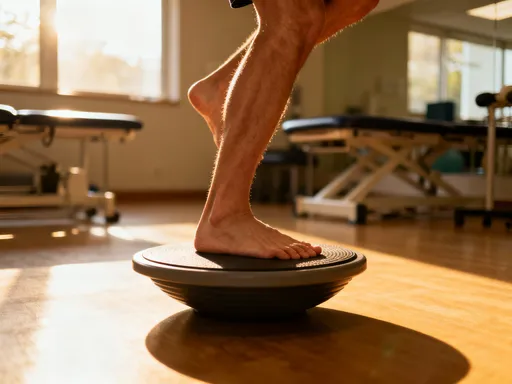
I started small: a 10-minute morning stretch routine, a 20-minute walk after dinner, and two short strength sessions at home using resistance bands. I didn’t aim for perfection—just presence. Over time, I noticed my posture improved, my joints felt looser, and I had more stamina for daily tasks. Movement became less of a chore and more of a celebration of what my body could do. The lesson? You don’t need to train like an athlete to age like one.
Eating for Longevity, Not Perfection
Nutrition is not about strict diets or chasing the latest superfood trend. It’s about creating a sustainable eating pattern that nourishes your cells and supports long-term health. The goal isn’t to look a certain way, but to feel energized, resilient, and mentally sharp. Research from the Blue Zones—regions with the highest concentrations of centenarians—shows that longevity is linked to whole, plant-rich diets, moderate portions, and mindful eating.
Key components of an anti-aging diet include antioxidants, healthy fats, fiber, and phytonutrients. Antioxidants, found in colorful fruits and vegetables, combat oxidative stress, a major contributor to cellular aging. Berries, spinach, kale, and sweet potatoes are excellent sources. Healthy fats, such as those in avocados, olive oil, nuts, and fatty fish, support brain health and reduce inflammation. Fiber from legumes, whole grains, and vegetables feeds beneficial gut bacteria, which play a crucial role in immune function and metabolic health.
One of the most effective shifts I made was reducing processed foods. These often contain added sugars, refined carbohydrates, and unhealthy fats that spike blood sugar and promote inflammation. Instead of banning treats entirely, I focused on balance. I started cooking more at home, using simple ingredients and minimal processing. I began to notice how certain foods made me feel—how a breakfast of eggs and vegetables kept me full and focused, while a pastry and coffee led to an energy crash by mid-morning.
Hydration also plays a quiet but vital role. Even mild dehydration can impair concentration, mood, and digestion. I made it a habit to drink a glass of water first thing in the morning and carry a reusable bottle throughout the day. I also paid attention to portion sizes, using smaller plates and eating slowly to allow my body to register fullness. These changes weren’t about restriction—they were about respect for my body’s needs. Over time, my skin cleared, my digestion improved, and I no longer experienced the afternoon slumps that used to derail my productivity.
Stress Reset: Calming the Invisible Accelerator
Chronic stress is one of the most insidious accelerators of aging. Unlike visible signs like wrinkles or gray hair, stress operates beneath the surface, damaging cells and systems over time. When the body is in a constant state of 'fight or flight,' it produces excess cortisol, which breaks down muscle, stores fat around the abdomen, and suppresses immune function. Prolonged stress has been linked to shortened telomeres—the protective caps on the ends of chromosomes—making cells age faster.
The good news is that stress can be managed, even in the busiest of lives. Mindfulness practices, such as deep breathing, meditation, and gratitude journaling, have been shown to reduce cortisol levels and improve emotional resilience. A study from Harvard Medical School found that just eight weeks of mindfulness-based stress reduction led to measurable increases in telomerase activity, the enzyme that helps maintain telomere length.
I began by incorporating small moments of calm into my day. Each morning, I spent five minutes practicing box breathing: inhale for four counts, hold for four, exhale for four, hold for four. During work breaks, I stepped outside to feel the sun and listen to birdsong. I set a digital curfew, turning off notifications after 7 p.m. to protect my mental space. I also started walking in nature when possible—parks, trails, or even tree-lined streets. Nature has a unique ability to reset the nervous system, lowering heart rate and blood pressure.
Another powerful tool was learning to say no. As a woman in midlife, I often felt pressure to do it all—care for family, manage a career, keep a home running smoothly. But I realized that self-care wasn’t selfish—it was essential. By setting boundaries and protecting my time, I reduced emotional overload and created space for rest and reflection. These small shifts didn’t eliminate stress, but they changed my relationship with it. I became less reactive, more grounded, and better equipped to handle life’s inevitable challenges.
Hydration, Skin, and the Surface-Level Truth
The skin is often seen as a mirror of internal health. While genetics and sun exposure play roles in skin aging, daily habits have a significant impact. Dehydration, for example, reduces skin elasticity and can make fine lines more noticeable. Drinking adequate water—typically six to eight glasses per day, depending on activity and climate—helps maintain moisture balance and supports detoxification through the kidneys and liver.
Skin care doesn’t have to be complicated. A gentle cleansing routine, daily sunscreen use, and moisturizing with non-irritating products can go a long way. I switched to a mild, fragrance-free cleanser and began applying broad-spectrum SPF 30 every morning, even on cloudy days. Sun exposure is responsible for up to 90 percent of visible skin aging, including wrinkles, dark spots, and loss of firmness. Protecting the skin from UV damage is one of the most effective anti-aging strategies available.
I also stopped over-processing my skin. In the past, I used multiple serums, exfoliants, and treatments, thinking more was better. But I learned that simplicity often yields better results. Over-exfoliation can damage the skin barrier, leading to dryness and sensitivity. Instead, I focused on consistency: cleanse, protect, hydrate. I incorporated a vitamin C serum in the morning for antioxidant protection and a retinol cream at night to support collagen production—both backed by dermatological research.
What surprised me was how changes in sleep, diet, and stress management improved my skin even more than topical products. When I prioritized rest and reduced sugar in my diet, my complexion became clearer and more radiant. The glow I once sought in bottles came from within. This was a powerful reminder that true beauty isn’t surface-level—it’s a reflection of how well we care for our whole selves.
Consistency Over Intensity: Building a System, Not a Hack
The biggest misconception about anti-aging is that it requires extreme measures—detoxes, fasting, expensive treatments. But the most effective strategies are the ones you can sustain. Quick fixes often lead to burnout, frustration, and rebound effects. Lasting change comes from stacking small, manageable habits into a cohesive system. Think of it like compound interest: tiny actions, repeated over time, yield exponential results.
I didn’t transform my life overnight. I started with one habit—drinking water first thing in the morning. Once that felt natural, I added a five-minute stretch routine. Then I focused on bedtime. Each new behavior built on the last, creating a foundation of support. I tracked progress not by the scale or a mirror, but by how I felt: more energy, better sleep, improved mood, faster recovery from exertion.
One helpful tool was habit stacking—linking a new behavior to an existing one. For example, after brushing my teeth, I did two minutes of deep breathing. After pouring my morning coffee, I stepped outside for fresh air. These tiny rituals required minimal effort but reinforced consistency. I also practiced self-compassion. If I missed a walk or ate something indulgent, I didn’t judge myself. Progress isn’t linear. What matters is the overall direction.
Over time, these habits became automatic. I no longer had to rely on willpower. They were simply part of my day, like brushing my teeth or locking the door. That’s the power of systems: they remove the need for constant decision-making. And that’s what makes them sustainable. You’re not trying to be perfect—you’re building a life that supports your long-term well-being.
Aging Forward with Energy and Purpose
Aging is not something to fear or fight. It’s a natural part of life, but one that we can influence in meaningful ways. The choices we make each day—how we sleep, move, eat, and manage stress—shape our biological age far more than the number on a birth certificate. The journey I’ve shared isn’t about looking younger; it’s about feeling stronger, sharper, and more alive at every stage.
Energy, clarity, and resilience are not reserved for the young. They are available to anyone willing to invest in their health with patience and consistency. You don’t need a complete overhaul—just a few small, intentional shifts. Start where you are. Pick one habit that resonates with you, and give it your attention. Let it become a part of your rhythm. Then add another. Over time, these choices compound into a life of greater vitality.
This isn’t about vanity or chasing youth. It’s about honoring your body, respecting your time, and living with purpose. The goal isn’t to stop the clock, but to move forward with strength, grace, and joy. Aging well isn’t a destination—it’s a daily practice. And it’s one worth beginning today.