Why My Workout Was Damaging My Hair — And What Fixed It
Have you ever started a fitness routine only to notice your hair thinning or breaking more than usual? I did — and it shocked me. After months of intense workouts and clean eating, I expected healthier hair, not more shedding. Turns out, many people overlook how exercise impacts scalp health. This isn’t about genetics or aging — it’s about habits. In this article, I’ll break down the hidden mistakes in common fitness routines that can harm your hair, and how simple adjustments made a real difference for me.
The Shocking Link Between Exercise and Hair Health
Physical activity is widely celebrated for boosting circulation, reducing stress, and improving overall well-being. Yet, few consider its potential downsides when it comes to hair health. While moderate exercise supports blood flow to the scalp — which nourishes hair follicles — excessive or poorly managed routines can disrupt the delicate balance needed for strong, resilient hair. The connection between intense workouts and hair shedding is not a myth; it’s rooted in physiological responses involving hormones, inflammation, and nutrient availability.
One of the most misunderstood aspects is the timing of hair loss. Many women notice increased shedding weeks or even months after ramping up their fitness regimen, making it difficult to connect the dots. Unlike sudden trauma or illness, which can cause immediate hair fall, exercise-related shedding often emerges gradually. This delay is due to the hair growth cycle, particularly the shift from the anagen (growth) phase to the telogen (resting) phase. When too many follicles enter the resting phase at once — a condition known as telogen effluvium — shedding becomes noticeable about three months later. Dermatologists increasingly recognize overexertion as a contributing factor, especially among women who adopt high-intensity training without adjusting other lifestyle elements.
It’s important to distinguish between normal hair shedding and concerning loss. Everyone loses 50 to 100 strands per day as part of the natural renewal process. However, when clumps appear in the shower drain, brush, or on pillows, it may signal an imbalance. The key insight is that exercise itself isn’t the enemy — it’s the combination of intensity, recovery, and supporting habits that determines whether fitness enhances or undermines hair health. Recognizing early signs, such as reduced volume, brittle strands, or a wider part, allows for timely intervention before significant thinning occurs.
Common Fitness Habits That Harm Hair (And Why We Don’t Notice)
Everyday gym habits often go unnoticed until their cumulative effects become visible. Tight hairstyles, for example, are a frequent offender. Wearing a high ponytail or bun during running, cycling, or weightlifting may seem practical, but constant tension on the hairline can lead to traction alopecia — a form of gradual hair loss caused by repeated pulling. This is especially common among women who style their hair tightly day after day, not realizing that even mild stress on follicles can weaken roots over time.
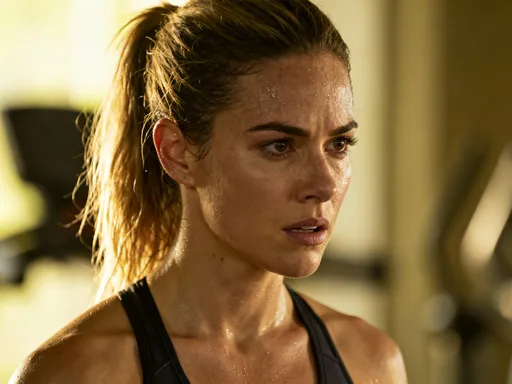
Another overlooked issue is delayed cleansing after workouts. Sweat contains salt, urea, and natural oils that, when left on the scalp for hours, can clog hair follicles and create an environment conducive to irritation and inflammation. Some women skip post-gym showers due to busy schedules or believe that dry shampoo is a sufficient substitute. While dry shampoo can absorb excess oil temporarily, it does not remove buildup or cleanse the scalp. Over time, this can impair follicle function and contribute to slower growth or increased breakage.
Accessories also play a role. Wearing hats, helmets, or headbands after sweating traps moisture against the scalp, promoting bacterial or fungal growth in warm, damp conditions. Similarly, using unclean towels or gym equipment that comes into contact with hair can transfer irritants. Protein-based styling products, often marketed to active women for added strength, may backfire if overused. Excess protein can make hair stiff and prone to snapping, especially if the strands are already dry or chemically treated. These small choices, taken individually, may seem harmless — but together, they form a pattern that undermines hair integrity.
How Overtraining Affects Hormones and Hair Cycles
The body responds to physical stress much like it does to emotional or environmental stress — by releasing cortisol, the primary stress hormone. While short bursts of cortisol during exercise are normal and even beneficial, chronic elevation due to overtraining can disrupt multiple systems, including the hair growth cycle. When cortisol remains high for extended periods, it can interfere with the production of other hormones, such as estrogen and thyroid hormones, both of which play supportive roles in maintaining healthy hair.
Overtraining syndrome — characterized by persistent fatigue, insomnia, decreased performance, and mood changes — is increasingly recognized in recreational athletes, not just elite competitors. One of its lesser-known symptoms is hair thinning. The mechanism lies in the hair cycle’s sensitivity to hormonal fluctuations. Elevated cortisol can prematurely push growing hairs into the telogen phase, leading to what dermatologists call stress-induced shedding. This typically occurs two to three months after the onset of intense training, which explains why many women don’t immediately link their gym routine to hair loss.
Research suggests that training volume matters more than intensity alone. Women who engage in daily high-intensity interval training (HIIT), long endurance sessions, or multiple workouts per day without adequate rest are at higher risk. The body interprets this as a state of constant demand, triggering survival-mode responses that prioritize essential functions over non-essential ones — like hair growth. Therefore, the solution isn’t to stop exercising, but to balance effort with recovery. Incorporating rest days, reducing workout frequency, and listening to physical cues such as persistent soreness or low energy can help maintain hormonal equilibrium and protect hair health.
Nutrition Gaps in Active Lifestyles That Impact Hair
A clean diet doesn’t always mean a complete one. Women who increase physical activity often focus on calorie control or macronutrient balance without paying attention to micronutrients essential for hair strength. Iron deficiency, for instance, is one of the most common nutritional causes of hair loss, particularly among endurance athletes and those with heavy menstrual cycles. Iron supports oxygen transport in the blood, and low levels can impair follicle function, leading to diffuse thinning across the scalp.
Zinc is another critical mineral that many active women lack. It plays a role in DNA and protein synthesis, both necessary for hair cell reproduction. Deficiency can result in brittle hair and slow regrowth. Biotin, often associated with hair supplements, is important but usually sufficient in a varied diet — unless excessive raw egg consumption (which contains a biotin-blocking protein) or prolonged antibiotic use is involved. More impactful than isolated supplements is a consistent intake of whole-food sources rich in these nutrients, such as leafy greens, legumes, nuts, seeds, lean meats, and whole grains.
Protein timing and quality also matter. Hair is primarily made of keratin, a structural protein, so adequate daily intake is essential. However, many women consume most of their protein at dinner, missing the opportunity to support muscle and tissue repair earlier in the day. Spreading protein intake across meals helps maintain steady amino acid levels. Additionally, reliance on processed fitness foods — such as protein bars, shakes, or low-fat meals — can lead to nutrient imbalances. These products often lack the full spectrum of vitamins and minerals found in whole foods and may contain additives that affect digestion or inflammation. A balanced approach that includes diverse, nutrient-dense meals is far more effective for sustaining both energy and hair vitality.
The Right Way to Care for Hair Around Workouts
Timing and technique are crucial when it comes to hair care in active routines. Washing hair immediately after a sweaty workout isn’t harmful — in fact, it’s recommended to prevent buildup. The belief that daily washing strips natural oils and damages hair is outdated, especially for those who sweat heavily. Modern sulfate-free cleansers are gentle enough for frequent use and help maintain a clean, healthy scalp environment. The key is to choose products suited to your hair type and avoid over-drying with hot water or harsh scrubbing.
Pre-workout protection is equally important. Applying a light, non-greasy leave-in conditioner or scalp serum can create a barrier between sweat and the scalp, making post-exercise cleansing easier. For women with long hair, opting for low-tension styles like loose braids or low buns reduces strain on the roots. Using fabric headbands made from moisture-wicking materials instead of tight elastic bands can minimize friction and breakage along the hairline.
Drying practices also influence hair strength. Rubbing wet hair vigorously with a towel creates friction that weakens the cuticle, leading to split ends and breakage. Instead, gently squeezing out excess water with a microfiber towel or an old cotton T-shirt is a gentler alternative. Air drying is ideal when possible, but if using a blow dryer, keeping it on a cool or warm setting and maintaining distance from the scalp helps prevent heat damage. These small, intentional steps — when practiced consistently — significantly reduce preventable hair damage caused by exercise-related habits.
Smart Adjustments: Exercise Modifications That Support Hair Growth
Fitness and hair health don’t have to be at odds. The goal isn’t to reduce activity, but to practice smarter movement. One effective strategy is balancing cardiovascular exercise with resistance training. While cardio improves circulation, strength training helps regulate hormones, build lean muscle, and improve metabolic efficiency — all of which support overall vitality, including hair. Excessive cardio without strength work, especially when combined with calorie restriction, can signal the body to conserve energy, potentially affecting non-essential processes like hair growth.
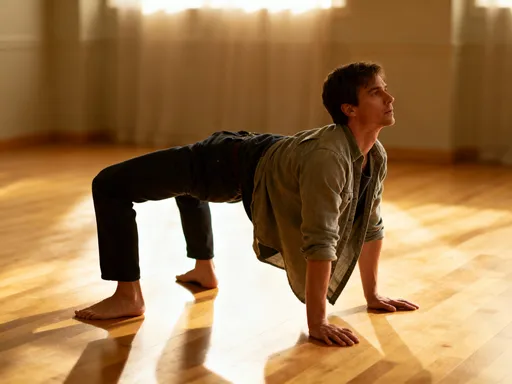
Incorporating rest and recovery days is non-negotiable. These are not signs of weakness, but essential components of a sustainable routine. On rest days, low-impact activities like walking, stretching, or yoga can maintain mobility and reduce cortisol levels without adding physical stress. Yoga, in particular, has been shown to lower perceived stress and improve circulation, both of which benefit scalp health. Even short daily walks in nature can enhance mood and hormonal balance, contributing to stronger hair over time.
Adjusting workout frequency can also make a difference. Instead of six or seven high-intensity sessions per week, reducing to four or five with built-in variety — such as alternating strength, cardio, and flexibility training — allows the body to recover and adapt. Listening to physical signals — like persistent fatigue, irritability, or disrupted sleep — helps identify when a routine is too demanding. Small changes, such as shortening workout duration, lowering intensity, or adding active recovery, can preserve fitness gains while protecting hair health. The aim is long-term consistency, not short-term extremes.
Putting It All Together: A Sustainable Plan for Stronger Hair and Better Fitness
True wellness is holistic — it includes how you feel, how you move, and how you look. A sustainable plan integrates fitness, nutrition, and hair care without requiring perfection. Start with a weekly structure that includes three to four workouts, a mix of strength and moderate cardio, and at least two full rest days. Add one or two gentle movement sessions, like walking or yoga, to support circulation and stress management.
Nutrition should focus on balance and variety. Aim for iron-rich foods like spinach, lentils, and lean red meat a few times a week, paired with vitamin C sources to enhance absorption. Include zinc from pumpkin seeds, chickpeas, or poultry, and healthy fats from avocados, nuts, and olive oil to support scalp hydration. Distribute protein intake across meals — such as Greek yogurt at breakfast, beans at lunch, and fish or tofu at dinner — to continuously fuel tissue repair.
Hair care routines should align with activity levels. Wash hair as needed, especially after sweaty workouts, using gentle, sulfate-free products. Protect hair during exercise with loose styles and clean accessories. Avoid heat styling when possible, and handle wet hair with care. Consider a weekly deep conditioning treatment to restore moisture and resilience, particularly if hair feels dry or brittle.
Most importantly, tune in to your body’s signals. Hair is a visible indicator of internal health. Thinning or breakage isn’t just a cosmetic concern — it’s a message. Rather than reacting with alarm, use it as motivation to reassess habits and make informed choices. Small, consistent adjustments — like adding a rest day, improving iron intake, or changing a hairstyle — can reverse damage and promote regrowth.
The journey to healthier hair doesn’t require abandoning fitness goals. Instead, it calls for a more thoughtful approach — one that honors both strength and softness, effort and ease. When exercise is balanced with recovery, nutrition, and self-care, it becomes a true ally in overall wellness. The result isn’t just a stronger body, but a fuller head of hair that reflects the care you’ve invested — not just at the gym, but in every aspect of your life.