Sleep Smarter, Not Harder: My Long-Term Fix for Better Rest
Getting quality sleep isn’t just about feeling rested—it’s a cornerstone of long-term health. For years, I struggled with restless nights and foggy mornings, until I started tracking my sleep patterns and making small, science-backed changes. What I discovered wasn’t a quick fix, but a sustainable way to improve my sleep quality over time through consistent monitoring and mindful habits. Sleep is not a luxury; it’s a biological necessity. And when we overlook its quality, we risk more than just tiredness—we compromise immunity, mental clarity, and long-term well-being. The journey to better rest begins not with drastic measures, but with awareness, patience, and the willingness to listen to what our bodies are quietly trying to tell us.
The Hidden Cost of Poor Sleep
Sleep quality goes far beyond the number of hours spent in bed. It encompasses how deeply you sleep, how often you wake up, and how alert you feel upon rising. Many people believe they are getting enough rest simply because they spend seven or eight hours under the covers, yet they wake up feeling sluggish, unfocused, or irritable. This disconnect often stems from poor sleep architecture—the natural cycling through light sleep, deep sleep, and REM stages that are essential for physical recovery and cognitive function. When these cycles are disrupted, even slightly, the body fails to complete its nightly restoration process.
Chronic poor sleep has been linked to a range of long-term health concerns. Research shows that individuals who consistently experience fragmented or insufficient sleep are at higher risk for weakened immune responses, making them more susceptible to infections. Metabolic health is also affected, with studies associating chronic sleep deprivation with insulin resistance and an increased likelihood of weight gain. The brain, too, bears the burden: over time, poor sleep can contribute to memory lapses, reduced concentration, and a higher risk of cognitive decline in later years. These effects may develop gradually, making them easy to overlook until they become difficult to reverse.
Consider the woman who rushes through her evening to meet work deadlines, drinks tea late to stay alert, and then lies awake for hours, only to wake multiple times during the night. She may dismiss her fatigue as a normal part of a busy life, but the truth is, her body is accumulating sleep debt. Day after day, this pattern leads to a foggy mind, low motivation, and a diminished ability to manage stress. Over months or years, these small deficits compound, affecting her mood, decision-making, and overall health. The danger lies in how normalized poor sleep becomes—until one day, she realizes she can’t remember the last time she woke up truly refreshed. Recognizing this silent toll is the first step toward meaningful change.
Why Tracking Changes Everything
One of the most powerful tools in improving sleep is simply paying attention. For decades, people have relied on guesswork to assess their rest, but modern health monitoring has transformed this process. When you begin tracking your sleep, you shift from assumptions to evidence. You stop asking, “Did I sleep well?” and start asking, “How do I know?” This change in mindset is transformative. Awareness creates accountability, and accountability drives action. What tracking reveals is often surprising—patterns that were invisible to the conscious mind suddenly come into focus.
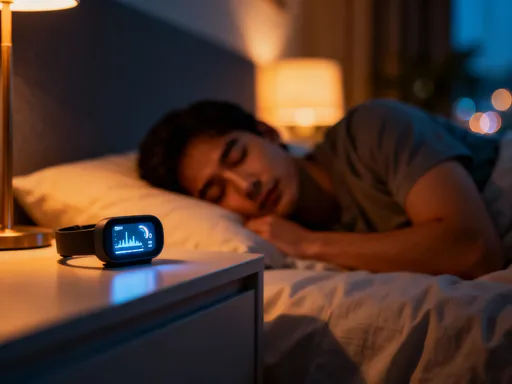
Today, there are accessible tools for nearly every lifestyle and budget. Wearable devices, such as fitness trackers and smartwatches, can monitor sleep duration, heart rate, and movement throughout the night. Sleep apps use sound and motion detection to estimate sleep stages, while simple journaling—recording bedtime, wake time, and how you feel in the morning—can provide valuable insights over time. These tools don’t need to be perfect to be useful. Even basic tracking can highlight trends, such as consistently going to bed later on weekends or noticing that a late dinner leads to restlessness. The goal is not precision, but pattern recognition.
Take the example of caffeine. Many people assume its effects wear off within a few hours, but tracking often reveals a different story. A woman who drinks her last cup of tea at 4 p.m. may not realize that her sleep onset is delayed by 30 to 45 minutes, or that her deep sleep is reduced. Without data, this connection remains hidden. Similarly, weekend sleep-ins—often seen as harmless recovery—can disrupt circadian rhythms, leading to what experts call “social jet lag.” When tracking shows that Sunday night is consistently the worst sleep of the week, the link becomes undeniable. Knowledge, in this case, is not just power—it’s liberation from unconscious habits that undermine rest.
What Your Body Is Telling You (And How to Listen)
Your body communicates through signals, and sleep data is one of the most honest messengers. When you examine metrics like sleep stages, heart rate variability (HRV), and restlessness, you gain a window into your physiological state. Deep sleep, for instance, is when the body repairs tissues, strengthens immunity, and consolidates memories. A consistent dip in deep sleep may signal high stress, overexertion, or poor recovery. REM sleep, associated with dreaming and emotional processing, supports mental health and creativity. Fluctuations in REM can reflect changes in mood, anxiety levels, or even medication use.
Heart rate variability is another powerful indicator. Higher HRV generally reflects a resilient nervous system, capable of adapting to stress. Lower HRV, especially when tracked over time, may suggest chronic stress, fatigue, or inadequate recovery. When sleep data shows a declining HRV trend alongside poor sleep quality, it’s a signal to reassess lifestyle factors. Restlessness—measured by movement during the night—can point to discomfort, temperature issues, or even undiagnosed sleep disruptions. These metrics don’t diagnose conditions, but they do raise important questions: Why am I tossing and turning? Why do I wake up so often? What changed in my day that affected my night?
Beyond the numbers, there’s a deep mind-body connection that influences sleep. Stress doesn’t vanish when you lie down—it lingers in your nervous system, making it harder to transition into rest. Diet plays a role too: heavy meals, alcohol, or sugar close to bedtime can fragment sleep, even if they don’t prevent you from falling asleep. Evening routines matter profoundly. A woman who spends her last hour before bed scrolling through news or answering emails is signaling to her brain that it’s time to stay alert, not wind down. Tracking helps connect these dots. When she sees that nights with screen use correlate with lower deep sleep, she gains motivation to change. Listening to your body isn’t about intuition alone—it’s about combining data with self-awareness to make informed choices.
Building a Sustainable Sleep Routine
Improving sleep isn’t about perfection—it’s about consistency. The most effective sleep routines are not drastic overhauls but gradual, sustainable adjustments. Start with the basics: going to bed and waking up at roughly the same time every day, even on weekends. This regularity reinforces your body’s internal clock, making it easier to fall asleep and wake up naturally. A fixed schedule doesn’t need to be rigid to be effective. A variation of 30 to 60 minutes is acceptable, but avoiding large shifts helps maintain circadian stability.
Equally important are wind-down rituals. These are personal practices that signal to your body that it’s time to shift from activity to rest. They might include dimming the lights, taking a warm bath, reading a physical book, or practicing gentle stretching. The key is repetition: doing the same sequence each night trains your brain to associate these actions with sleep. For many women balancing family, work, and household responsibilities, this time may feel like a luxury, but it’s a necessary investment. Protecting the last 30 to 60 minutes before bed from screens and stress can dramatically improve sleep onset and quality.
Screen limits are non-negotiable for most. Blue light from phones, tablets, and televisions suppresses melatonin, the hormone that regulates sleep. Even brief exposure in the evening can delay sleep by shifting the circadian rhythm. Setting a device curfew—such as no screens 60 minutes before bed—can make a measurable difference. If screen use is unavoidable, enabling night mode or using blue light-blocking glasses may help, though reducing exposure remains the gold standard. Personalization is essential: what works for one person may not work for another. Some find white noise helpful; others prefer silence. The value of tracking lies in helping you discover what truly supports your rest, rather than following generic advice.
Small Shifts, Big Results: Proven Lifestyle Tweaks
Sleep doesn’t exist in isolation—it’s deeply influenced by daily habits. Light exposure is one of the most powerful regulators of circadian rhythm. Getting bright natural light, especially in the morning, helps set your internal clock. A simple 20- to 30-minute walk outside after waking can improve alertness during the day and sleep quality at night. Conversely, minimizing bright light in the evening—by using dim lamps and avoiding overhead lighting—supports melatonin production. This natural synchronization with the sun’s cycle is often disrupted in modern life, but restoring it can have profound effects.
Meal timing also plays a crucial role. Eating too late can interfere with digestion and raise body temperature, making it harder to fall asleep. Aim to finish dinner at least two to three hours before bedtime. If a snack is needed, choose something light and balanced—like a small portion of yogurt with berries or a handful of nuts. Avoid heavy, spicy, or sugary foods in the evening. Hydration is important, but limiting fluids in the last hour before bed can reduce nighttime awakenings to use the bathroom. Alcohol, while often used as a sleep aid, is particularly disruptive. It may help you fall asleep faster, but it fragments sleep later in the night and reduces REM sleep, leading to less restorative rest.
Physical activity is another cornerstone of healthy sleep. Regular exercise—especially aerobic activity like walking, swimming, or cycling—has been shown to increase deep sleep and reduce the time it takes to fall asleep. However, timing matters. Vigorous workouts too close to bedtime may be stimulating for some, so finishing exercise at least three hours before bed is generally recommended. Gentle movement in the evening, such as yoga or stretching, can be beneficial. The key is consistency: even moderate daily activity supports better sleep over time. These tweaks don’t require drastic lifestyle changes. They are small, evidence-based adjustments that, when tracked and refined, lead to meaningful improvements.
When to Seek Help: Knowing the Red Flags
While self-monitoring and lifestyle changes can resolve many sleep issues, some problems require professional evaluation. Persistent insomnia—difficulty falling or staying asleep for more than three nights a week over several months—should not be ignored. Frequent awakenings, especially if accompanied by gasping or choking, may indicate sleep apnea, a condition where breathing repeatedly stops and starts during sleep. This disorder is more common than many realize and can have serious cardiovascular consequences if left untreated.
Extreme daytime fatigue, even after what seems like adequate sleep, is another red flag. It may point to underlying conditions such as hormonal imbalances, thyroid dysfunction, or chronic fatigue syndrome. Mood changes, including increased anxiety or depression, can also be both a cause and a symptom of poor sleep. If sleep tracking reveals consistently poor metrics despite diligent efforts to improve habits, it’s time to consult a healthcare provider. A sleep study, conducted either at home or in a clinic, can provide a definitive diagnosis.
It’s important to remember that monitoring tools are not diagnostic. They offer insights, but they cannot replace medical expertise. A doctor can interpret symptoms in context, order appropriate tests, and recommend treatments such as cognitive behavioral therapy for insomnia (CBT-I), continuous positive airway pressure (CPAP) for sleep apnea, or adjustments to medications that may be affecting sleep. Seeking help is not a failure—it’s a responsible step toward long-term health. Tracking can support this process by providing detailed information about sleep patterns, making it easier for professionals to identify issues and tailor solutions.
Making It Stick: Turning Insight Into Habit
Sustaining better sleep requires more than knowledge—it requires behavior change. Behavioral psychology teaches us that habits are formed through repetition, reinforcement, and environmental cues. One effective strategy is habit stacking: pairing a new sleep habit with an existing routine. For example, brushing your teeth can become the trigger for applying a nighttime moisturizer, then reading for 10 minutes, then turning off the lights. Over time, this sequence becomes automatic. The brain learns to associate these actions with sleep, reducing the need for willpower.
Motivation often wanes, so building accountability helps. This might mean sharing goals with a partner, using a habit-tracking app, or simply reviewing weekly sleep data to celebrate progress. Small wins matter: sleeping 20 minutes longer, reducing nighttime awakenings, or feeling more alert in the morning. Acknowledging these improvements reinforces the effort. It’s also helpful to anticipate setbacks. Life events—travel, illness, stress—will disrupt routines. The goal isn’t perfection, but resilience: getting back on track as soon as possible.
Long-term sleep health is an ongoing practice, not a one-time fix. It evolves with life stages, responsibilities, and health needs. The woman who once managed on five hours of sleep during her children’s early years may find that her body now demands more rest. Listening to these changes is an act of self-respect. By continuing to monitor, adjust, and prioritize sleep, she invests in her energy, clarity, and longevity. This commitment isn’t about adding more to her plate—it’s about protecting what matters most.
Conclusion
The journey to better sleep begins with awareness and grows through consistent, mindful action. It’s not about achieving perfect nights or following rigid rules, but about understanding your unique patterns and making informed choices. Tracking sleep transforms the invisible into the visible, revealing habits and influences that might otherwise go unnoticed. From there, small, evidence-based changes—around light, diet, movement, and routine—can lead to significant improvements over time. When self-management reaches its limits, professional guidance ensures that underlying issues are addressed with care and accuracy.
Better sleep is not a destination; it’s a continuous practice of listening, adjusting, and caring for oneself. It reflects a deeper commitment to long-term well-being—one that pays dividends in energy, focus, and emotional balance. For women navigating the complexities of modern life, prioritizing sleep is not selfish. It is a quiet, powerful form of self-care that sustains them through every role they fulfill. By sleeping smarter, not harder, they build a foundation of health that lasts for years to come.