Beyond the Fairytale: Inside Prague’s Beating Business Heart
You know Prague for its castles and cobblestones, but there’s another side pulsing beneath the surface — a modern, dynamic world of commerce thriving amid baroque facades. I walked through its financial districts, talked to entrepreneurs, and discovered how history and innovation coexist. This isn’t just a tourist postcard; it’s a city reinventing itself. Let me show you the Prague few travelers ever see — professional, ambitious, and quietly brilliant. Beneath the golden domes and spires lies a rhythm of boardrooms, startup pitches, and global collaboration. It's a city where centuries-old traditions meet 21st-century ambition, and where economic transformation unfolds without sacrificing soul. This is Prague’s hidden heartbeat — not just preserved in museums, but alive in meeting rooms and innovation labs across the capital.
First Impressions: When Old Meets New
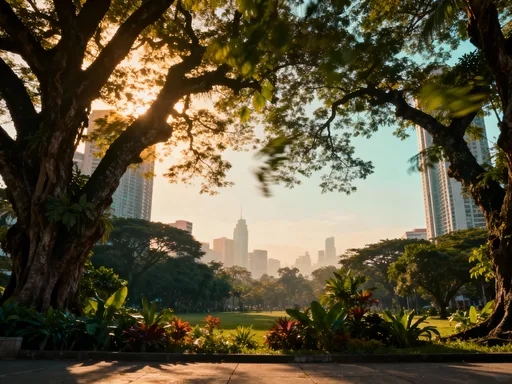
Arriving in Prague, the first thing that captures your attention is its timeless beauty — the Charles Bridge at sunrise, the Astronomical Clock marking the hours, and the Prague Castle perched high above the Vltava River. Yet, just steps away from these UNESCO World Heritage landmarks, a different kind of skyline emerges. Sleek glass towers rise beside baroque churches, and modern business complexes nestle within historic neighborhoods. In Prague 1, near Wenceslas Square, it’s common to see professionals in tailored suits walking past street musicians playing classical tunes, their laptops tucked under arms as they enter buildings that once housed imperial ministries. This seamless blend of past and present isn’t accidental — it’s a deliberate evolution.
The city has mastered the balance between preservation and progress. While strict heritage regulations protect its architectural treasures, urban planners have found ways to integrate contemporary infrastructure. Adaptive reuse of historic buildings — converting old banks into tech offices or transforming former industrial zones into mixed-use developments — has become a hallmark of Prague’s growth. One notable example is the redevelopment of the Smíchov railway station area, where modern office towers now stand on what was once derelict rail land, connected seamlessly to public transit. These projects reflect a broader philosophy: honoring history while building for the future.
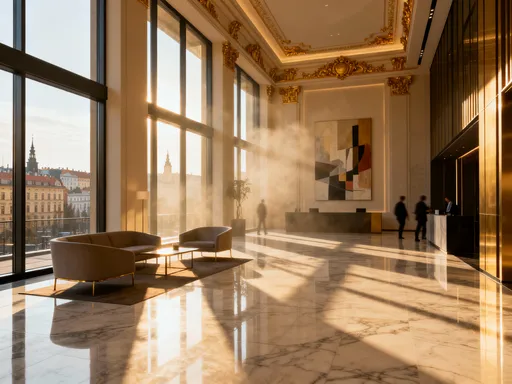
What makes this coexistence so effective is the city’s commitment to thoughtful urban design. New constructions are often required to adhere to aesthetic guidelines that respect the surrounding context — whether through material choice, height restrictions, or façade treatments. This ensures that even as Prague grows vertically, its human scale and historic character remain intact. For business travelers and investors, this creates a unique environment: a city that feels deeply rooted in culture yet fully equipped for modern enterprise. It’s not uncommon to attend a high-level strategy meeting in a renovated 19th-century palace, complete with chandeliers and marble staircases, only to step outside and catch a tram to a cutting-edge innovation center.
The Rise of Prague as a Business Hub
Over the past two decades, Prague has evolved from a post-communist transition economy into one of Central Europe’s most vibrant business centers. According to the CzechInvest Agency, the country attracted over €3.5 billion in foreign direct investment in 2023 alone, with a significant portion flowing into Prague. The city ranks among the top three destinations in the region for startup formation, supported by a growing ecosystem of accelerators, venture capital funds, and innovation hubs. This transformation has been driven by a combination of strategic location, skilled labor, and proactive economic policies.
Key sectors fueling Prague’s economic ascent include information technology, financial services, shared business services, and creative industries. The IT sector, in particular, has seen explosive growth, with local companies specializing in cybersecurity, artificial intelligence, and software development gaining international recognition. Fintech is another area of strength — Prague hosts numerous digital banking platforms, payment processors, and blockchain startups, many of which operate across European markets. Shared service centers, often established by multinational corporations, have also become a cornerstone of the city’s economy, offering back-office operations in finance, HR, and customer support for global brands.
Government support has played a crucial role in this expansion. The Czech Republic offers competitive corporate tax rates and generous R&D incentives, encouraging both domestic innovation and foreign investment. Additionally, access to European Union structural funds has enabled significant upgrades in digital infrastructure, transportation networks, and workforce training programs. These resources have allowed Prague to build a business-friendly environment without compromising on quality of life. Unlike some rapidly developing cities that prioritize growth at the expense of sustainability, Prague has maintained a balanced approach — investing in green technologies, public transit, and urban livability even as its commercial footprint expands.
Pulse Points: Key Commercial Districts to Understand
To understand Prague’s business landscape, one must explore its key commercial districts — each with its own identity and economic function. Prague 1, encompassing the Old Town and New Town, remains the symbolic heart of the city. While best known for its tourist attractions, it also hosts a surprising number of high-end corporate offices, boutique consultancies, and premium retail spaces. Many international firms choose to maintain a presence here for prestige and accessibility, leveraging the district’s central location and historic charm to impress clients and partners.
Prague 5, particularly the Smíchov neighborhood, represents the city’s modern business face. Home to the Westfield Chodov shopping mall and the landmark City Tower — one of the tallest office buildings in the Czech Republic — this district has become a magnet for large corporations and financial institutions. Excellent transport links, including direct access to the Airport Express and multiple tram and metro lines, make it highly convenient for commuters and visitors alike. The area is undergoing continuous redevelopment, with new office complexes and residential towers rising every year, reflecting strong demand for urban workspace.
Perhaps the most dynamic zone is Pankrác in Prague 4, increasingly recognized as the city’s true financial center. With its cluster of high-rise buildings, including the City of Prague Tower and the newly constructed Pankrác Horizon, this district houses the regional headquarters of major banks, law firms, and energy companies. What sets Pankrác apart is its scale and connectivity — wide boulevards, underground pedestrian networks, and a metro station that serves tens of thousands daily. Urban planners envision it as a self-contained business district, complete with hotels, restaurants, fitness centers, and conference facilities, reducing the need for long commutes. As more companies consolidate their operations here, Pankrác is solidifying its status as Prague’s answer to London’s Canary Wharf or Paris’s La Défense.
Workspaces That Inspire: From Co-Working Hubs to Corporate Campuses
The evolution of Prague’s business culture is mirrored in its changing workspaces. Gone are the days when professionals were confined to rigid, hierarchical office environments. Today, flexibility, collaboration, and design-driven functionality define the modern workplace. International co-working brands like WeWork and Regus have established multiple locations across the city, offering everything from hot desks to private suites. But alongside these global players, a vibrant local co-working scene has emerged — spaces like Work Café, Kolektiv, and The Office Club that emphasize community, creativity, and Czech hospitality.
These environments are more than just places to plug in a laptop. They are designed to foster interaction — with open lounges, event spaces, and regular networking meetups. Many include wellness features such as natural lighting, indoor plants, and quiet zones for focused work. Some even offer on-site yoga classes or meditation rooms, reflecting a growing emphasis on employee well-being. For freelancers, startups, and remote workers, these spaces provide not only infrastructure but also a sense of belonging — a professional home base in a foreign city or a launching pad for new ventures.
At the corporate level, companies are investing in purpose-built campuses that reflect their brand values. One technology firm in Prague 6 has transformed an old factory into a light-filled office complex with rooftop gardens, bike repair stations, and an in-house café serving locally sourced food. Another multinational company in Pankrác has adopted a ‘hot-desking’ model supported by advanced digital reservation systems, allowing employees to choose where they work based on the task at hand. These innovations are not just about efficiency — they signal a cultural shift toward agility, sustainability, and human-centered design.
Interviews with expatriate professionals reveal a consistent appreciation for Prague’s work environment. Many note the ease of integration, the high standard of facilities, and the welcoming atmosphere in both shared and corporate spaces. Czech entrepreneurs, meanwhile, value the access to international networks and the ability to scale their businesses from a stable, well-connected base. Whether working independently or as part of a global team, professionals in Prague find that their surroundings support both productivity and inspiration.
The People Behind the Economy: Talent, Lifestyle, and Work Culture
At the core of Prague’s economic success is its people — a highly educated, multilingual, and adaptable workforce. The Czech Republic boasts one of the highest rates of tertiary education in Europe, with strong emphasis on engineering, economics, and computer science. Graduates from institutions like Charles University, the Czech Technical University, and the University of Economics are in high demand, not only locally but across the EU. Many young professionals are fluent in English, German, or both, making cross-border collaboration seamless.
Work culture in Prague blends Central European diligence with modern, international practices. The standard workweek is 40 hours, and while punctuality is expected, the pace tends to be more measured than in some Western capitals. There is a strong emphasis on work-life balance — most employees enjoy at least four weeks of paid vacation per year, and flexible working arrangements are becoming increasingly common. After-work socializing, whether at a beer garden or a cultural event, is often informal and inclusive, helping to build team cohesion without blurring professional boundaries.
For families, Prague offers an exceptional quality of life. Healthcare is universal and of high quality, schools are well-regarded, and public transportation is efficient and affordable. Housing, while more expensive than in smaller Czech cities, remains relatively accessible compared to Western European capitals. Parks, museums, theaters, and weekend getaways into the countryside are all within easy reach, contributing to a sense of well-being that supports long-term career satisfaction. Expatriates frequently cite the city’s safety, cleanliness, and cultural richness as key reasons for staying beyond short-term assignments.
Yet, challenges remain. As the city’s economy grows, so does competition for skilled labor. Some sectors report difficulty in finding specialists in areas like data science and cybersecurity, prompting companies to invest in training programs and partnerships with universities. Additionally, rising housing prices in central districts are pushing some workers to commute from farther out, increasing pressure on transit systems. Addressing these issues will be essential to sustaining Prague’s appeal as a talent destination.
Navigating the City for Business Travelers
For visiting professionals, Prague is both accessible and accommodating. The city’s compact size and excellent public transportation make it easy to move between meetings, hotels, and venues. The Airport Express train connects Václav Havel Airport to the main railway station in just 30 minutes, with frequent departures throughout the day. Once in the city, the metro, trams, and buses form an integrated network that covers all major business districts. A 24-hour transit pass costs less than €5, making it one of the most cost-effective urban transport systems in Europe.
When choosing accommodations, business travelers often prefer hotels in Prague 1, 2, or 5 for their proximity to offices and meeting spaces. The Grand Hotel Praha, Hotel Josef, and Andel’s by Vienna House are popular choices, offering modern amenities, conference rooms, and business lounges. For those seeking a quieter environment, residential neighborhoods like Vinohrady or Dejvice provide a more local experience while remaining well-connected by tram.
Selecting the right meeting spot can set the tone for a successful engagement. While traditional hotel lounges remain reliable, many professionals now opt for independent cafés known for their calm ambiance and excellent coffee. Café Louvre, one of the city’s oldest, has hosted intellectuals for over a century and still offers a refined setting for quiet discussions. Kavárna Obecní dům, located in the Municipal House, combines historic elegance with contemporary service, ideal for impressing international guests. For more formal gatherings, private meeting rooms in co-working spaces or business centers provide professional facilities without long-term commitments.
Understanding local customs can also enhance business interactions. While Czechs are generally direct and value efficiency, they appreciate politeness and preparation. Arriving on time, having materials ready, and showing genuine interest in the conversation go a long way. Although English is widely spoken in corporate settings, learning a few basic Czech phrases — such as ‘dobrý den’ (good day) or ‘děkuji’ (thank you) — is seen as a respectful gesture. Scheduling meetings mid-week is advisable, as Fridays often see lighter workloads and earlier departures.
Future Horizons: What’s Next for Prague’s Commercial Landscape?
Looking ahead, Prague’s commercial trajectory points toward continued growth, innovation, and sustainability. One of the most anticipated developments is the extension of Metro Line D, set to open in phases starting in 2028. This new line will connect the densely populated southern districts, including Pankrác and Chodov, directly to the city center, significantly improving commute times and reducing traffic congestion. Alongside this, new business parks are being developed on the city’s outskirts, designed with green spaces, energy-efficient buildings, and integrated transport links to support long-term economic expansion.
Sustainability is becoming a central theme in urban planning. New construction projects are increasingly required to meet environmental standards such as BREEAM or LEED certification, emphasizing energy efficiency, water conservation, and low-carbon materials. Solar panels, green roofs, and smart building management systems are now common features in modern office developments. The city government has also committed to reducing emissions and expanding cycling infrastructure, with new bike lanes and secure parking facilities being added annually.
However, growth brings challenges. Housing affordability remains a pressing concern, particularly in central districts where demand from both residents and short-term rentals drives up prices. Traffic congestion, despite improvements in public transit, continues to affect daily commutes. There is also an ongoing discussion about how to balance the needs of tourism with those of business and local communities. Overcrowding in historic areas can strain infrastructure and reduce the quality of life for workers and residents alike.
The path forward will require careful coordination between public and private stakeholders. Urban planners, business leaders, and civic organizations must work together to ensure that Prague’s development remains inclusive, sustainable, and human-centered. Investments in digital infrastructure, education, and affordable housing will be critical to maintaining the city’s competitive edge. By addressing these issues proactively, Prague can continue to evolve as a global business destination without losing the qualities that make it unique.
Prague is more than a storybook city — it’s a living, evolving economy where tradition fuels progress. By understanding its commercial rhythm, visitors and professionals alike can engage with a deeper, more dynamic layer of this Central European capital. The real magic isn’t just in its spires — it’s in the quiet hum of meetings, startups, and ideas taking flight.