You Won’t Believe What I Found Shopping in Nature’s Heart: Bagan’s Hidden Gems
Bagan isn’t just temples and hot air balloons—there’s a whole world of natural charm tucked between its ancient sands. I went looking for souvenirs, but ended up discovering something far richer: handwoven baskets from village artisans, sun-dried lacquerware made the traditional way, and jungle-sourced spices that smell like earth after rain. Shopping here isn’t transactional—it’s a journey into nature and culture, all at once. The rhythm of life in Bagan moves quietly, shaped by seasonal rains, river tides, and the steady hands of generations-old craftspeople. What you take home isn’t merely an object, but a fragment of this harmony, a whisper of wind through palm trees, and the warmth of human touch preserved in clay, fiber, and pigment.
The Unexpected Blend: Shopping Meets Nature in Bagan
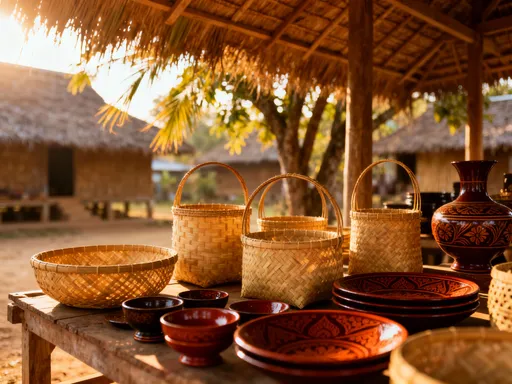
In Bagan, commerce grows organically from the land itself. Unlike the bustling malls or sterile boutiques of modern cities, shopping here unfolds beneath wide skies and rustling canopies. The marketplaces are not constructed environments but extensions of the natural world—open-air pavilions with bamboo frames and thatched roofs, where the breeze carries dust from sunbaked soil and the faint sweetness of drying tamarind. Vendors rise before dawn to lay out their wares on woven mats, their tables lit by the first golden streaks of morning light that spill across the Irrawaddy plains. This is not retail as performance, but as daily ritual, deeply tied to the cycles of agriculture, craftsmanship, and community.
What makes Bagan’s shopping experience so distinctive is its seamless integration with nature. The goods on display are not imported or mass-produced; they are born from the surrounding environment. Clay for lacquerware is drawn from riverbanks enriched by seasonal floods. Dyes are extracted from bark, leaves, and roots gathered from nearby woodlands. Baskets and mats are woven from palm fronds and reeds harvested sustainably from wetland edges. Even the scents that linger in the air—sandalwood, thanaka, fermented fish paste—are rooted in natural ingredients prepared using age-old methods passed down through families. There’s a humility in these markets, a quiet dignity in how each item reflects both human effort and ecological balance.
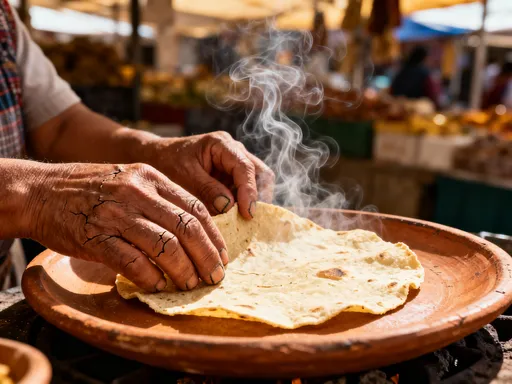
Wandering through a morning market in Nyaung U, one is struck not only by the colors and textures but by the sense of continuity. Children squat beside their grandmothers, learning how to sort dried chilies or fold banana leaves into serving trays. Farmers bring surplus harvests from their fields—mangoes still warm from the sun, turmeric rhizomes stained with earth, bundles of lemongrass tied with raffia. The exchange of goods feels intimate, almost sacred. Money changes hands, yes, but so do smiles, stories, and shared glances that speak of mutual respect. This is commerce as connection, grounded in place and nurtured by nature.
Where Nature Inspires Craft: The Roots of Bagan’s Handmade Goods
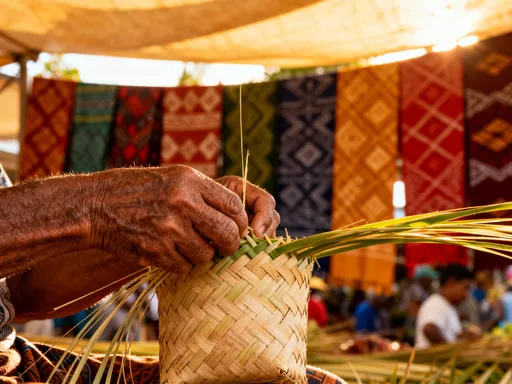
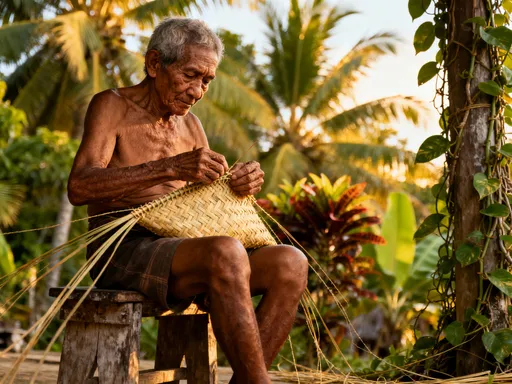
The artistry of Bagan is inseparable from its landscape. Every handmade object tells a story of origin—of soil, water, plant, and season. Take bamboo, for instance, which grows abundantly in groves near seasonal streams. Artisans harvest mature stalks during the dry months, splitting them by hand into fine strips used for weaving baskets, trays, and even roofing panels. These pieces are not only functional but designed to breathe, allowing air to circulate in humid conditions—a subtle yet brilliant adaptation to the local climate. The process remains largely unchanged for centuries: no power tools, no chemical treatments, just skilled hands guided by memory and necessity.
Lacquerware, perhaps Bagan’s most celebrated craft, is equally rooted in nature. The base material—a blend of horse dung, ash, and sap from the thitsee tree—might sound unusual, but it forms a durable composite ideal for shaping bowls, trays, and boxes. Layers of natural lacquer, tapped from trees much like rubber, are applied by hand and left to cure under the sun. Each piece receives dozens of coats, sanded between applications, before being hand-painted with floral or mythological motifs using mineral-based pigments. The result is not only beautiful but remarkably resilient, capable of lasting generations when cared for properly. What’s more, the entire process generates minimal waste; leftover fibers are composted, excess clay reused, and water filtered naturally through sand.
Textiles, too, reflect the region’s ecological wisdom. Cotton is often grown on small family plots, spun on foot-powered wheels, and dyed using extracts from plants like jackfruit bark (yellow), indigo (blue), and ebony heartwood (black). These dyes bind gently to fabric, producing soft, earth-toned hues that evolve gracefully with age. Unlike synthetic alternatives, they do not pollute waterways or degrade into microplastics. The weaving is done on simple wooden looms, sometimes set outdoors under shade trees, where the weaver works in rhythm with birdsong and wind. It’s slow production, yes—but also sustainable, intentional, and deeply connected to the land.
Must-Visit Spots: Open-Air Markets and Rural Workshops
For travelers seeking authentic experiences, Bagan offers several destinations where nature and craftsmanship converge. The Nyaung U morning market stands out as a must-visit—a vibrant tapestry of sights, sounds, and smells that begins before sunrise and winds down by mid-morning. Here, local residents come to buy fresh produce, spices, and household goods, making it less a tourist attraction than a living marketplace. Rows of vendors display pyramids of tamarind pods, heaps of dried shrimp, and baskets overflowing with bitter melon, eggplant, and long beans. Amid these staples, you’ll find artisans selling handwoven palm-leaf containers, clay water pots, and bundles of natural brooms made from dried grass.
Just beyond the town’s edge, clusters of rural workshops line the roads leading to the Irrawaddy River. These are not showrooms designed for photo ops but working spaces where families produce goods using traditional techniques. In Myinkaba, a village renowned for lacquerware, visitors can watch artisans shaping bowls on spinning wheels, their feet pedaling rhythmically while their hands guide the wet clay. The air carries the faintly sweet, resinous scent of drying lacquer, and sunlight filters through bamboo screens onto rows of curing trays. Many workshops welcome guests to observe or even try their hand at simple steps, always with a smile and without pressure to buy.
For those interested in ethical consumption, eco-conscious cooperatives in outlying villages offer another rewarding option. These groups, often led by women, focus on sustainable production and fair wages. One such cooperative near Tant Kyi Taung specializes in organic thanaka powder, made by grinding the bark of the thanaka tree into a fine paste used for skincare and sun protection. Visitors can see the entire process—from harvesting mature branches to sun-drying the ground mixture on large trays—while learning about the cultural importance of thanaka in Burmese daily life. Purchasing here supports not only individual artisans but also community initiatives like tree planting and clean water access.
What to Buy (And Why It Matters)
When shopping in Bagan, the most meaningful souvenirs are those that carry both beauty and purpose. Handwoven toddy palm baskets, for example, are more than decorative—they represent generations of knowledge in sustainable harvesting and weaving. Made from the fronds of the palmyra palm, these baskets are lightweight, breathable, and biodegradable. They come in various sizes, from small pouches for storing jewelry to large storage bins used in homes. Each weave pattern has regional significance, some believed to bring good fortune or ward off misfortune. Buying one supports rural weavers, many of whom rely on this income to send children to school or maintain ancestral homes.
Organic thanaka powder is another culturally rich choice. Used for centuries by women and children across Myanmar, thanaka provides natural sun protection and has mild antiseptic properties. It’s traditionally applied in circular patterns on the cheeks, though today many use it as a facial paste or even mix it into skincare routines. Authentic thanaka comes only from the thanaka tree (Limonia acidissima), which grows in central Myanmar’s dry zone. When purchasing, look for products labeled as 100% natural, with no added fragrances or preservatives. Avoid pressed cakes with binders; the best quality is sold as loose powder or fresh paste ground daily. Your purchase helps sustain small-scale producers and preserves a cultural practice at risk of fading in urban areas.
Lacquerware remains one of Bagan’s most iconic crafts, and choosing a genuine piece makes a lasting impact. True handmade lacquer items are heavier than mass-produced versions, with slightly uneven edges and visible brushstrokes. Look for those made entirely in Bagan, preferably from family-run studios that do not outsource production. A simple bowl or tray becomes more than a decorative object—it becomes a vessel of heritage. Similarly, dried local spices such as long pepper, fermented tea leaves, and wild turmeric offer a taste of Bagan’s culinary soul. These are often sold in cloth bundles tied with twine, free from plastic packaging. By selecting these items, travelers support local economies, reduce reliance on imported goods, and help keep traditional knowledge alive.
How to Shop Responsibly in a Fragile Landscape
Bagan is a place of immense historical and ecological value, where thousands of temples rise from a delicate dry-zone ecosystem. With increasing visitor numbers, the responsibility to shop mindfully has never been greater. The key lies in intentionality—choosing quality over quantity, authenticity over convenience, and sustainability over impulse. This means resisting the temptation to buy cheap souvenirs made from synthetic materials or imported plastics, often disguised as local crafts. These items not only lack cultural depth but contribute to pollution and undermine genuine artisans who depend on fair compensation.
One of the most effective ways to shop responsibly is to buy directly from makers or certified cooperatives. This ensures that more of your money reaches the hands that created the product. When in doubt, ask questions: Where was this made? Who made it? How long did it take? Most artisans are happy to share their process, and their answers often deepen the value of the item. Avoid bargaining aggressively, especially in communities where margins are already thin. A respectful offer reflects appreciation for skill and time, not just the physical object.
Environmental care is equally important. Bring a reusable cloth bag to avoid plastic, decline unnecessary packaging, and carry water in a refillable bottle. Some cooperatives now use banana leaves or recycled paper for wrapping, aligning with traditional practices that once made zero-waste living the norm. Additionally, consider supporting organizations that reinvest in conservation. A few lacquerware studios, for instance, contribute a portion of sales to temple restoration or tree-planting efforts along riverbanks. By aligning your purchases with these values, you become part of a larger movement to protect Bagan’s heritage for future generations.
Beyond the Purchase: The Deeper Value of Nature-Linked Crafts
What stays with you after a trip to Bagan is not the number of items you bought, but the moments you shared. I remember standing in a quiet courtyard in Myinkaba, watching an elder woman apply the final coat of lacquer to a teacup. Her hands moved slowly, deliberately, each stroke layered with decades of practice. She didn’t speak much, but her eyes smiled when she saw me watching. Later, she handed me a small sample—a tiny coaster painted with a lotus motif—and said simply, “For memory.” That gesture, more than any transaction, captured the essence of Bagan’s craft culture: generosity, humility, and deep connection to place.
Another morning, I sat beneath a mango tree in a village near Salei, where a young mother ground thanaka bark on a flat stone, adding drops of water to create a smooth paste. The scent was earthy and cooling, like crushed mint and sandstone. She offered to apply a small circle on my cheek, laughing at my hesitant expression. “Good for sun,” she said. In that moment, I wasn’t a tourist—I was a guest, welcomed into a daily ritual that had changed little in centuries. These interactions transform souvenirs from objects into heirlooms of experience, each carrying a story rooted in nature, tradition, and human kindness.
Shopping in Bagan, then, becomes an act of participation. It’s not about filling a suitcase, but about opening your heart to another way of living—one that values slowness, sustainability, and interdependence with the natural world. When you hold a handwoven basket or use a lacquer bowl, you’re not just using a tool; you’re honoring a lineage of care, resilience, and quiet beauty. And in a world increasingly dominated by speed and disposability, that kind of connection is rare—and precious.
Bringing Bagan Home: How to Preserve and Share Your Finds
Once you return home, the journey doesn’t end—it evolves. The souvenirs you brought from Bagan can continue to inspire, educate, and connect. Proper care ensures they last. Lacquerware, for instance, should be cleaned with a soft, damp cloth and never soaked in water or placed in a dishwasher. Store it away from direct sunlight to prevent fading, and handle it with care—each piece is unique and irreplaceable. Over time, the surface may develop a soft patina, a natural aging process that adds character and depth.
Thanaka powder, if stored in an airtight container away from moisture, can remain usable for months. To prepare it traditionally, mix a small amount with water on a flat stone or ceramic plate until it forms a smooth paste. Apply it thinly to the skin for a cooling effect and natural glow. Many users report improved clarity and reduced redness, though individual results vary. Sharing thanaka with friends or family can spark conversations about natural skincare and cultural traditions, turning a simple product into a bridge between worlds.
Woven items like palm-leaf baskets benefit from occasional airing in indirect sunlight to prevent mildew. Avoid storing them in damp basements or humid bathrooms. If they become dusty, gently wipe with a dry brush or cloth. These baskets make thoughtful gifts, especially when paired with a note explaining their origin and significance. Imagine gifting a small woven pouch filled with locally sourced tea, along with a story about the artisan who made it—such gestures carry far more meaning than any store-bought present.
Finally, consider how you share your experience. Post photos with context, not just aesthetics. Tell the story behind the bowl on your shelf, the spice in your kitchen, the powder on your vanity. When others ask, “Where’d you get that?” let it be an invitation to talk about mindful travel, cultural preservation, and the quiet beauty of handmade things. In doing so, you amplify the impact of your journey, turning personal discovery into collective awareness. One small purchase, rooted in nature and respect, can ripple outward—touching lives, supporting communities, and keeping ancient traditions alive, one thoughtful choice at a time.