Whispers of Nature in Manila’s Urban Canvas
Have you ever seen nature dance with city life? Manila isn’t just skyscrapers and traffic—it’s also blooming parks, riverside trails, and hidden gardens where art springs from the earth. I was stunned by how green spaces here inspire murals, sculptures, and soulful creativity. This isn’t just a travel story—it’s a journey into how nature fuels artistic expression in unexpected ways. In a city often defined by its pace and density, these quiet corners reveal a deeper rhythm: one where leaves whisper inspiration, rivers carry stories, and the earth itself becomes a canvas. This is Manila’s secret harmony—where urban energy and natural beauty coexist, giving rise to a unique cultural renaissance.
Discovering Manila’s Green Heart
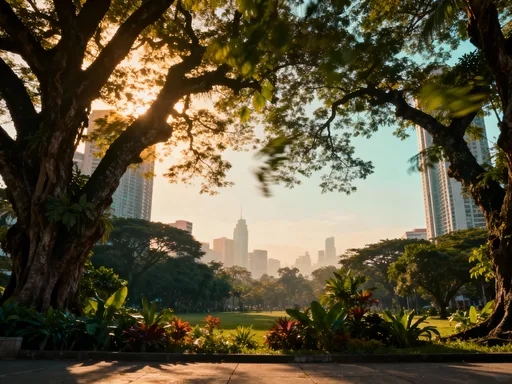
At first glance, Manila may seem all concrete and commotion. Yet beneath the surface hums a green heartbeat—parks and preserves that pulse with life, offering not only respite but also inspiration. Rizal Park, often called the city’s lungs, spans over 140 acres in the heart of the metropolis. With its manicured lawns, towering acacia trees, and tranquil lagoons reflecting the sky, it is more than a recreational space; it is a living stage where nature and national identity converge. Nearby, the Pasig River, once considered beyond redemption, now flows with renewed purpose, its banks lined with walking paths and native vegetation. Further north, La Mesa Eco Park unfolds like a hidden forest, sheltering one of the last remaining patches of primary rainforest within Metro Manila.
These spaces are not merely decorative—they are functional sanctuaries. Rizal Park hosts thousands daily, from joggers at dawn to families picnicking under shade trees. Its biodiversity, though modest compared to wilder regions, includes over 70 species of birds and a variety of flowering plants that attract butterflies and pollinators. La Mesa, by contrast, is a full ecosystem: home to monitor lizards, fruit bats, and even native fish in its clean waters. The park plays a crucial role in water conservation, serving as a buffer for the La Mesa Dam, which supplies drinking water to millions. Its trails wind through dense foliage, where the air cools and the city’s noise fades into a distant hum. These environments do more than sustain life—they awaken the senses, inviting artists, children, and dreamers to see beauty in roots, petals, and sunlight.
Accessibility enhances their impact. Public transportation links major parks to residential areas, making them inclusive spaces for all income levels. Free entry to most zones ensures that a mother with children, a student sketching in a notebook, or an elderly couple walking hand-in-hand can all experience nature’s calm. This democratization of green space is vital in a city where economic disparity is evident. More than escape, these parks offer equity—equal access to clean air, quiet, and creative stimulation. They remind visitors that nature is not a luxury but a necessity, and that its presence in urban planning is not just aesthetic but deeply human.
Where Art Meets Earth: The Rise of Eco-Art in Manila
A quiet revolution is unfolding in Manila’s public spaces—one shaped not by politics, but by paint, recycled materials, and the quiet determination of artists who believe creativity can heal. Eco-art, a movement that blends environmental awareness with artistic expression, has taken root across the city. Unlike traditional art confined to galleries, eco-art lives outdoors, responding to its surroundings and often made from them. Artists are turning to fallen branches, discarded plastic, and river stones to craft installations that speak of loss, resilience, and renewal. These works do not just decorate—they communicate, educate, and inspire action.
One notable example is the “Plastic to Park” initiative, where communities collect waste from the Pasig River and transform it into colorful mosaics embedded in park pathways. These mosaics depict native species like the Philippine eagle and the tarsier, reminding onlookers of what’s at stake. In Quezon City, a school collaborated with local sculptors to build a life-sized crocodile from reclaimed wood and metal—a tribute to the wildlife that once thrived in the region’s wetlands. These projects are not one-offs; they are part of a growing curriculum in environmental education, where children learn about ecosystems by creating art from natural or repurposed materials.
The themes are consistent: regeneration, balance, and reverence. Artists draw from indigenous motifs, weaving traditional patterns into modern murals that honor both culture and ecology. A growing number of festivals now celebrate this fusion, such as the annual Green Canvas Festival, where painters work on large-scale murals using non-toxic, plant-based pigments. These events attract hundreds, turning public art into communal celebration. The rise of eco-art signals a shift in how Manila sees itself—not as a city battling nature, but as one learning to listen to it. In this new narrative, every leaf, every stream, every breeze becomes a collaborator in the creative process.
Rizal Park: A Stage for Nature and Imagination
No space in Manila embodies the union of nature and art more fully than Rizal Park. Named after the country’s national hero, it is a place of memory and meaning, where history and imagination intertwine beneath the canopy of century-old trees. The park’s central lawn, often filled with kite flyers and dancers, transforms at night into an open-air theater during cultural festivals. Light installations illuminate the lagoon, turning water and sky into a dynamic canvas. During the annual “Sound and Light” show, projections dance across the trees, narrating the nation’s story through animation, music, and shadow play—nature itself becoming part of the performance.
Artistic expression here is not imposed but invited by the landscape. Sculptures dot the grounds, from the solemn Rizal Monument to whimsical bronze figures of children playing. Temporary exhibits frequently appear, such as bamboo installations shaped like birds in flight or fabric banners that flutter like leaves in the wind. These works are designed to be temporary, echoing the cycles of nature—growing, fading, returning. One summer, an artist collective created a “Forest of Voices,” where visitors hung handwritten notes on trees, sharing hopes for the environment. The installation lasted only a month, but its emotional resonance endured far longer.
The park’s design supports this synergy. Pathways curve organically, encouraging slow, reflective movement. Benches are placed under shade trees, inviting stillness and observation. Even the landscaping tells a story: native plants are labeled with educational plaques, and butterfly gardens attract both pollinators and curious onlookers. For artists, the park is a muse—its changing light, its sounds, its seasonal shifts offering endless inspiration. Photographers capture golden sunsets over the obelisk; poets find rhythm in the rustle of leaves; musicians compose melodies inspired by the chirping of birds at dawn. Rizal Park is not just a monument to the past—it is a living, breathing collaborator in Manila’s artistic present.
La Mesa Eco Park: Wilderness Within the City
Thirty minutes from the city center lies a world apart. La Mesa Eco Park is a rare gem—a 32-hectare sanctuary that feels like stepping into another realm. Its forested trails are shaded by towering narra and molave trees, their branches forming a green ceiling that filters sunlight into dappled patterns on the ground. The air is rich with the scent of damp earth and blooming sampaguita. Bird calls echo through the canopy, and the occasional rustle in the underbrush signals the presence of small wildlife. This is not a manicured garden but a functioning ecosystem, carefully preserved and actively restored by environmental groups and citizen volunteers.
What makes La Mesa extraordinary is not just its biodiversity but its role as a classroom without walls. Schools from across Metro Manila organize field trips here, not just for science lessons but for creative immersion. Students sit under trees with sketchbooks, capturing the shapes of leaves and the flight of dragonflies. Others participate in “earth art” workshops, where they build temporary sculptures from stones, twigs, and vines—art that returns to nature when the wind or rain takes it. Music classes record ambient sounds, layering birdsong and water flow into original compositions. These experiences go beyond skill-building; they foster a deep, emotional connection to the natural world.
Artists, too, find sanctuary here. A painter might spend a week capturing the way light shifts on a riverbed; a poet may journal reflections inspired by the silence between bird calls. The park hosts occasional “Creativity in the Canopy” retreats, where writers, painters, and musicians gather for days of focused work surrounded by nature. These retreats emphasize mindfulness and sustainability, encouraging participants to leave no trace and to draw inspiration without extraction. La Mesa teaches a vital lesson: creativity does not require consumption. Sometimes, the most profound art arises not from taking, but from observing, listening, and honoring what already exists.
The Pasig River Revival: From Gray to Green
The Pasig River, once declared biologically dead in the 1990s, stands today as one of Manila’s most powerful symbols of renewal. Stretching 25 kilometers through the heart of the metropolis, it connects lakes, communities, and cultures. For decades, it bore the weight of pollution—plastic waste, industrial runoff, and untreated sewage choked its flow. But a sustained restoration effort, led by government agencies, NGOs, and local residents, has brought it back to life. Native mangroves have been replanted along its banks, fish have returned, and water quality has improved significantly. This ecological revival has inspired a parallel artistic awakening.
Today, the river’s embankments are lined with murals that tell its story. One depicts a timeline: on the left, a gray, lifeless river; on the right, a vibrant blue waterway teeming with fish and birds. In the center, volunteers plant trees and clean the shore—a tribute to collective action. Other murals celebrate native species: the silver therapon fish, the Philippine kingfisher, the blue-naped parrot. These artworks are not mere decoration; they are visual education, reminding passersby of what was lost and what is being regained. Sculptures made from reclaimed river plastic rise like sentinels along walking paths—twisted nets reshaped into bird forms, bottle caps melted into floral reliefs.
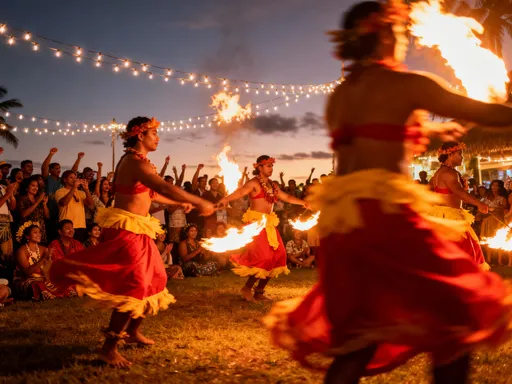
The river’s transformation has also inspired performance art. During the annual “River Lights” festival, paper lanterns shaped like fish and lotus blossoms float downstream, each carrying a message of hope. Musicians play along the banks, their melodies echoing over the water. These events draw thousands, turning environmental advocacy into shared celebration. The Pasig River is no longer a symbol of neglect—it is a testament to resilience, both ecological and cultural. Its revival proves that even the most damaged systems can heal, and that art can be both witness and catalyst in that process.
Street Art with a Natural Pulse
Manila’s streets are alive with color, and increasingly, that color speaks of nature. In neighborhoods like Poblacion, Tomas Morato, and Cubao, walls once blank or tagged with graffiti now bloom with elaborate murals of tropical flora and fauna. A side alley reveals a cascading waterfall of painted orchids; a school wall features a giant hornbill in mid-flight, wings spread against a sky of swirling clouds. These works are more than decorative—they reflect a growing cultural reverence for the natural world, especially in the wake of climate-related challenges like typhoons and rising temperatures.
Artists behind these murals often draw from personal and collective memory. One painter, whose hometown was devastated by a storm, created a series of walls depicting coastal villages protected by mangrove forests—a visual plea for better environmental planning. Another artist, raised in the Cordillera mountains, paints ancestral rice terraces on urban buildings, linking city dwellers to rural landscapes they may never visit. These works serve as bridges—between past and present, city and countryside, human and nature. They remind viewers that the environment is not distant; it is part of identity, history, and survival.
The materials used often reflect this ethos. Many artists choose eco-friendly paints, some made from natural pigments or recycled ingredients. Others incorporate texture using sand, crushed shells, or even seed paper that can grow wildflowers when planted. Community involvement is key—residents are invited to help paint, ensuring the art belongs to the neighborhood. These collaborations foster pride and stewardship, turning a mural into more than an image: it becomes a shared promise to protect what it represents. In a city where space is limited and life is fast, these walls offer moments of wonder, urging people to pause, look, and remember the beauty of the world beyond concrete.
How to Experience Manila’s Natural Art Scene
For travelers seeking a deeper connection with Manila, the city’s natural art scene offers a rewarding path. The best time to visit is during the dry season, from December to May, when skies are clear and humidity is lower. Early mornings are ideal—parks are quiet, light is soft, and the air is fresh. Begin at Rizal Park, where guided art walks are offered on weekends, led by local historians and artists who explain the symbolism behind sculptures and seasonal installations. Combine the visit with a stop at the nearby National Museum, where contemporary eco-art exhibits often complement outdoor experiences.
From there, take a short ride to La Mesa Eco Park. Book a guided nature-art tour in advance, which often includes a bamboo craft session or a plein air painting workshop. Wear comfortable shoes, bring water, and respect the “leave no trace” principle—avoid littering and stay on marked trails. For a riverside experience, walk along the newly developed Pasig River Esplanade, especially at dusk when the murals are softly lit. Consider joining a community clean-up event; many organizations welcome volunteers, offering a hands-on way to engage with the city’s environmental efforts.
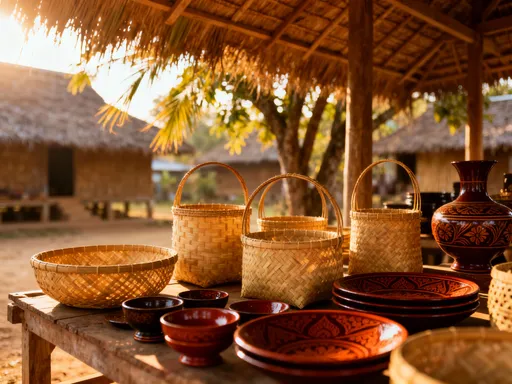
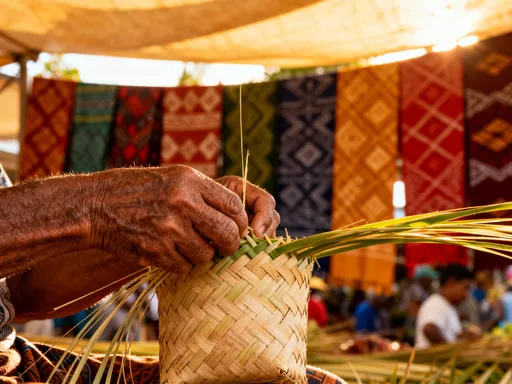
Don’t miss the local craft markets that often accompany art festivals. Here, you can find handmade journals from recycled paper, jewelry made from seed pods, and textiles dyed with plant extracts. These items are not just souvenirs—they are extensions of the eco-art philosophy. When interacting with artists, ask about their inspirations; most are eager to share their stories. Above all, approach these spaces with mindfulness. Silence your phone, breathe deeply, and let the environment speak. This is not tourism as consumption, but as connection—seeing beauty, yes, but also feeling responsibility.
The Soul of the City Grows from the Soil
Manila’s true essence cannot be found only in its malls or monuments. It lives in the whisper of leaves along a riverside path, in the brushstroke of a mural painted to honor a vanished bird, in the laughter of children building art from fallen branches. This is a city learning to listen—to its rivers, its trees, its people. The fusion of nature and creativity is not a trend but a return: a recognition that human expression flourishes best when rooted in the earth.
These green spaces and the art they inspire are more than attractions—they are acts of hope. They remind us that even in the densest urban landscapes, life finds a way to grow, to heal, to create. They invite travelers not just to see, but to feel; not just to visit, but to participate. In protecting these spaces, Manila protects its soul. And for those who take the time to wander its parks, trace its murals, and listen to its quiet rhythms, the city reveals a truth as old as the soil itself: that beauty, resilience, and imagination all begin with a single seed.