You Won’t Believe These Hidden Gems in Provence – Local Treasures Beyond Lavender
When you think of Provence, lavender fields and sun-drenched villages probably come to mind. But beyond the postcard views lies a quieter, more authentic world—hidden markets, family-run workshops, and handmade goods you won’t find anywhere else. I wandered off the tourist trails and discovered something far more valuable than souvenirs: real connections and one-of-a-kind treasures. Let me take you through the under-the-radar side of Provence, where every product tells a story and every encounter feels like a secret shared.
The Allure of Hidden Provence
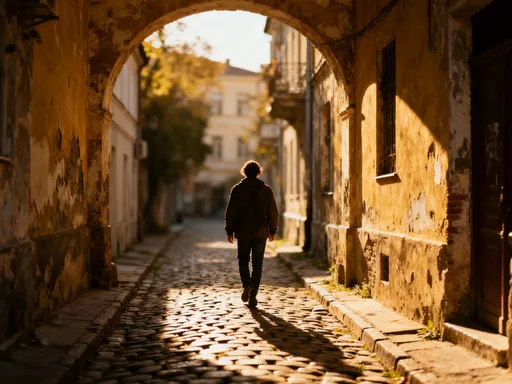
While millions flock to Gordes and Roussillon for their panoramic views and perfectly restored stone houses, a different rhythm pulses in the surrounding countryside. Here, time slows not by design but by habit. In villages like Viens, Quinson, and Sainte-Croix-du-Verdon, daily life unfolds without the backdrop of tour buses or souvenir stalls. The charm of these places isn’t staged—it’s lived. Women in floral aprons carry loaves from the village boulangerie, farmers unload crates of cherries and figs at dawn, and children kick a ball in the central square as church bells mark the hour.
This is the heart of slow travel: not as a trend, but as a return to presence. Stepping off the beaten path doesn’t just offer solitude—it invites participation. You’re no longer an observer but a guest. A nod is returned with a smile. A question about cheese is met with an invitation to taste. These moments, fleeting as they may seem, carry the weight of authenticity. They remind us that culture isn’t found in brochures but in the way people live, work, and share.
What makes these villages special isn’t just their beauty, but their resilience. Despite the pressures of mass tourism, many have preserved their identity by prioritizing community over commerce. Shops remain family-owned. Festivals celebrate local saints and harvests, not Instagram aesthetics. The result is a cultural continuity that feels rare in today’s world—a place where tradition isn’t performed but practiced.
For travelers seeking depth, this shift in perspective is transformative. Instead of collecting photos, you begin to collect experiences: the warmth of a wood-fired oven, the sound of olive oil being pressed, the scent of thyme crushed underfoot. These sensory imprints linger long after the journey ends. And they come not from grand landmarks but from the quiet corners where life continues, unchanged, generation after generation.
Lavender, Yes—But Not Just Lavender
Lavender is undeniably the emblem of Provence, its purple waves rippling across hillsides each summer. Yet to reduce this region’s essence to a single flower is to miss its true richness. Beyond the fields lies a world of transformation—where lavender becomes art, medicine, and memory. Small distilleries tucked into hillside farms are where this alchemy happens. Here, families harvest by hand, using techniques passed down for decades, if not centuries. The process is labor-intensive: stems are cut at dawn, bundled, and gently steam-distilled in copper stills that glow like antique lanterns in the morning light.
The result? Pure essential oil with a complexity no synthetic replica can match. True lavender oil from Haute-Provence carries a crisp, herbaceous note with a hint of camphor—clean, calming, and deeply aromatic. It’s used in everything from sleep remedies to natural cleaning solutions. But the creativity doesn’t stop there. Local artisans infuse lavender into honey harvested from hives nestled among wild herbs. The flavor is delicate, floral, and subtly earthy—a far cry from mass-market versions loaded with artificial flavors.
Even more surprising is lavender-infused olive oil, a specialty found only in a handful of family kitchens. A few sprigs are steeped in cold-pressed oil, releasing their essence without bitterness. The result is a finishing oil perfect for drizzling over grilled vegetables or goat cheese. It’s not something you’ll find in supermarket aisles, nor should it be. This is food as craft, made in small batches with care and intention.
The contrast with tourist-market lavender products is stark. In crowded boutiques, you’ll see rows of cheap sachets, soaps, and candles, often imported from outside France and merely labeled “Provence-style.” These items may smell pleasant, but they lack soul. By seeking out genuine producers—those who grow, harvest, and process their own lavender—you support sustainability and authenticity. You also take home something more meaningful: a tangible connection to the land and the hands that tend it.
The Village Markets You’ve Never Heard Of
If Provence has a heartbeat, it beats strongest in its village markets. But while the market in L’Isle-sur-la-Sorgue draws collectors and antique hunters from across Europe, quieter alternatives offer a more intimate experience. In Saint-Martin-de-Castillon, a weekly Saturday market unfolds beneath plane trees whose leaves whisper in the breeze. There’s no stage, no music, no curated photo ops—just farmers laying out crates of peaches, herbs tied with twine, and wheels of raw-milk cheese wrapped in parchment.
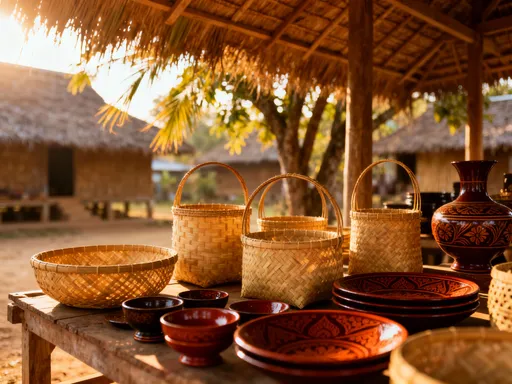
Then there’s Rousty-Treyres, a hamlet so small it barely appears on maps. Yet every Tuesday morning, its central square becomes a hub of exchange. A beekeeper sells comb honey still glistening with golden droplets. An elderly woman offers bundles of dried savory and rosemary, harvested from her garden. A potter displays hand-thrown bowls glazed in earthy tones—each one unique, each one functional. The rhythm is unhurried. Vendors chat with regulars. Shoppers linger, sampling olives, discussing ripeness, debating the best tomatoes for ratatouille.
These markets are sensory treasures. The air carries the sharp tang of garlic, the sweetness of ripe melon, the dusty warmth of sun-dried lentils. Linens hang in soft folds—some handwoven, others block-printed with Provençal motifs of olives and vines. Touch one, and you feel the weight of craftsmanship: tight weaves, natural dyes, edges stitched with care. Unlike factory-made fabrics, these textiles age beautifully, growing softer with each wash.
Visiting these markets requires preparation. Cash is essential—many vendors don’t accept cards. Early arrival ensures the best selection, especially for perishables like goat cheese wrapped in chestnut leaves or fresh fougasse bread dusted with sea salt. But beyond logistics, success lies in attitude. A simple “Bonjour” goes further than any transaction. Asking “C’est produit ici?” (Is this produced here?) shows respect. Listening to answers, even with limited French, builds trust. Over time, vendors remember your face. They save you a jar of wild thyme honey or point you to a new olive oil just pressed.
Craftsmen Keeping Traditions Alive
In Apt, a town nestled in the Luberon Valley, pottery is more than craft—it’s heritage. Generations of potters have shaped clay from local deposits into durable, beautiful tableware. The tradition dates back to Roman times, but today’s artisans blend history with innovation. In small workshops, wheels spin steadily as hands coax vases, pitchers, and tagines into form. Glazes are mixed from natural minerals, yielding colors that echo the landscape: ochre, sage green, deep indigo.
One such artisan, Marie-Claude, inherited her kiln from her grandfather. Her studio, tucked behind a cobbled alley, smells of damp earth and wood smoke. She doesn’t mass-produce; each piece is fired slowly, often over several days, ensuring strength and character. “A machine can make a hundred bowls,” she says, “but only a human hand can make one that holds memory.” Visitors are welcome by appointment. A tour includes a demonstration, a chance to try the wheel, and a conversation about the challenges of preserving a dying art.
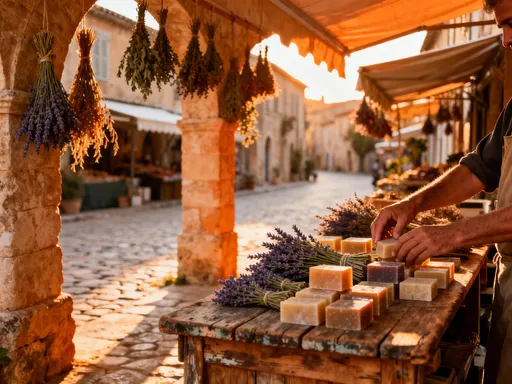
Further east in Forcalquier, soap-making remains a point of pride. True Marseille soap—crafted with 72% olive oil, seawater, and no artificial additives—is still made in small batches. At a family-run atelier, copper vats simmer for hours as the mixture reaches saponification. The soap is then cut by hand into cubes, stamped with the maker’s mark, and left to cure for months. The result is a hard, long-lasting bar that lathers richly and soothes sensitive skin.
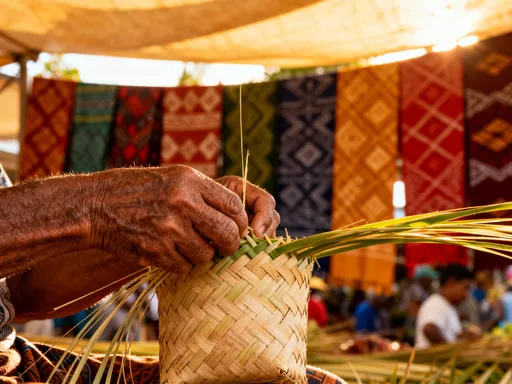
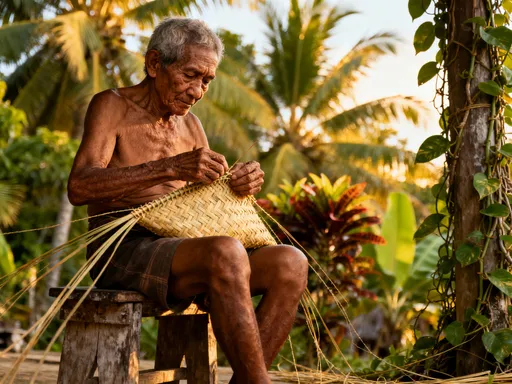
Weaving, too, endures in pockets of Provence. In the village of Banon, a cooperative of women keeps the art of Provençal cotton alive. Using looms over fifty years old, they create tablecloths, napkins, and bedspreads printed with traditional patterns: red and green vines, yellow suns, blue doves. Each design tells a story—of harvests, weddings, or religious festivals. The fabrics are sold at local markets or from a tiny shop behind a lavender field. Buying one isn’t just a purchase; it’s a vote for continuity.
Supporting these artisans isn’t merely nostalgic—it’s necessary. As global chains and fast production erode local economies, small workshops face extinction. Yet when travelers seek them out, when they pay fair prices and carry their stories home, they help sustain something vital: cultural diversity. These crafts aren’t relics. They’re living traditions, adapting without losing their soul.
Hidden Food & Drink Specialties
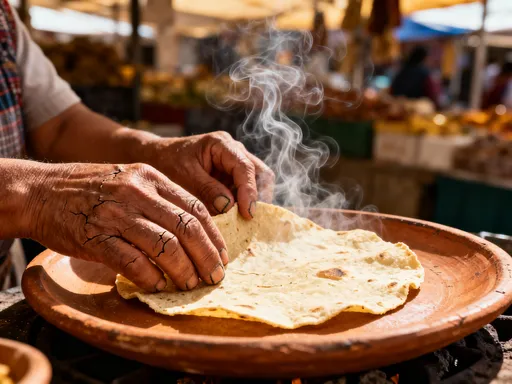
Provence’s culinary identity extends far beyond ratatouille and rosé. In back-alley cooperatives and family-run farms, lesser-known specialties are quietly preserved. Take fougasse, the region’s answer to flatbread. While many know the version studded with olives, the true delicacy is fougasse with orange blossom water. Light, slightly sweet, and fragrant, it’s baked in wood-fired ovens and best eaten warm, torn by hand. You won’t find it in tourist bakeries—only in village boulangeries where the baker knows your name.
Truffle-infused oils are another hidden gem. Unlike mass-market versions that rely on synthetic aroma, real truffle oil in Provence is made by steeping fresh black truffles—harvested in winter—in cold-pressed olive oil. The result is earthy, intense, and fleeting. It should be used within weeks, drizzled over scrambled eggs or grilled mushrooms. The best comes from small producers in the Vaucluse, sold at markets or from farm stands with handwritten labels.
Perhaps the most unusual specialty is vin cuit, or “cooked wine.” This dark, syrupy reduction is made by slowly boiling local red wine until it thickens into a concentrate. Historically used as a natural sweetener before sugar was common, it now graces cheese boards, desserts, and even vinaigrettes. Its flavor is complex—raisin, fig, balsamic—with a smooth finish. Only a few families still make it, often for personal use. Finding a bottle requires connections, but those who do cherish it as a liquid heirloom.
Where to find these? Look beyond main roads. A roadside stall with a hand-painted sign might sell raw goat cheese aged in ash. A tiny épicerie with peeling paint could stock jars of wild lavender honey. A cooperative cellar in a hilltop village may offer unfiltered wines in recycled bottles. These places don’t advertise. They rely on word of mouth, loyalty, and the quiet pride of doing things the old way.
Tasting etiquette matters. Always ask before sampling. When offered a taste, accept graciously. Compliment the maker, not just the product. And if you buy, do so with awareness—this isn’t fast food. These items are made in small quantities, with seasonal ingredients, and often by people nearing retirement. Your purchase isn’t just a transaction; it’s a gesture of respect.
How to Shop Like a Local
Shopping in Provence’s hidden corners is less about acquisition and more about relationship. Locals don’t rush. They greet. They chat. They take time. To shop like a Provençal, begin with language. Even a few phrases—“Bonjour, merci, au revoir”—open doors. A vendor is more likely to offer a taste, share a tip, or save you a special batch if you make the effort to speak French, however imperfectly.
Haggling has no place here. Prices are fair, often barely covering costs. To negotiate would be seen as disrespectful. Instead, value quality over quantity. A single jar of handmade lavender honey may cost more than a tourist-market set of three, but it carries the weight of authenticity. Notice the packaging: plain paper, reused jars, twine instead of plastic. These aren’t signs of poverty—they’re signs of care. The focus is on the product, not the presentation.
Seasonality is another key. In June, you’ll find wild strawberries and young garlic. By August, peaches and figs dominate. In November, chestnuts and truffles appear. Shopping with the seasons means fresher goods and deeper appreciation. It also supports sustainable agriculture. Small producers can’t force crops out of season. They work with nature, not against it.
Provenance matters. Ask where something was made. Was the soap produced here or just labeled here? Were the olives grown in the valley or imported? The best vendors are proud to answer. They’ll point to their orchard, show photos of their harvest, or introduce you to the farmer who supplies their cheese. This transparency builds trust. It transforms shopping from consumption into connection.
Finally, carry your purchases with pride. A linen napkin bought in Banon, a bottle of vin cuit from a village cellar—these aren’t souvenirs. They’re heirlooms in the making. Use them. Share them. Tell their story. In doing so, you honor the hands that made them and keep their legacy alive.
Why These Treasures Matter
In a world of mass production and instant gratification, the hidden treasures of Provence stand as quiet acts of resistance. They represent a different way of living—one rooted in patience, care, and continuity. Each handmade soap, each handwoven cloth, each bottle of raw honey is a testament to human skill and natural harmony. These are not commodities. They are expressions of identity, born from a deep relationship with land and tradition.
Preserving small-scale production isn’t just romantic—it’s essential. It protects biodiversity, reduces environmental impact, and sustains rural communities. When you buy from a family potter instead of a factory, you help keep a craft alive. When you choose local honey over imported syrup, you support pollinators and soil health. These choices, multiplied across thousands of travelers, create real change.
They also redefine what travel means. No longer is it about checking destinations off a list. It becomes an act of listening, learning, and participating. It shifts the focus from seeing to understanding, from collecting to connecting. In Provence’s hidden corners, you don’t just witness culture—you become part of it, if only for a moment.
Authenticity, after all, isn’t found in perfection. It’s found in the uneven stitch of a hand-sewn napkin, the slight variation in a hand-thrown bowl, the imperfections that prove something was made by a person, not a machine. These treasures matter because they remind us of our humanity. They invite us to slow down, to pay attention, to value what is real.
So as you plan your journey to Provence, look beyond the lavender fields. Seek the quiet markets, the unmarked workshops, the village squares where life unfolds without an audience. Go with curiosity, not expectation. Arrive with humility, not haste. And leave not with bags full of things, but with a heart full of stories—stories of people, places, and traditions worth preserving. That is the true treasure of Provence.