You Gotta See These Northern Ireland Landmarks—They’re Unreal
Northern Ireland is packed with jaw-dropping landmarks that feel like they’re straight out of a legend. From ancient stone paths to coastal wonders, every site tells a story. I’ve walked these places, felt the wind blast off the cliffs, and stood in awe of centuries-old towers. This isn’t just sightseeing—it’s *feeling* history. If you’re planning a trip, knowing which spots deliver real impact—and how to visit them smartly—makes all the difference. Whether you're drawn to natural marvels shaped by fire and ice or ruins whispering tales of kings and clans, Northern Ireland offers an immersive journey through time. With thoughtful planning, each visit becomes more than a stop on a map—it becomes a memory etched in stone, sea, and soul.
Why Northern Ireland’s Landmarks Are Worth Your Time
Northern Ireland may be small in size, but its cultural and natural footprint is immense. The region stands at the crossroads of myth and reality, where ancient legends blend seamlessly with tangible history. Its landmarks are not merely tourist attractions—they are gateways into stories that have shaped communities for generations. From volcanic coastlines to medieval fortresses, these sites offer visitors a rare depth of experience. Unlike destinations where history feels distant or curated behind glass, Northern Ireland invites you to walk among ruins, trace your fingers along weathered stone, and stand where pivotal moments unfolded.
What sets Northern Ireland apart is the emotional resonance of its places. A walk through a windswept castle ruin isn’t just about architecture—it’s about imagining the lives once lived within those walls. Standing atop dramatic cliffs, you’re not only witnessing geological奇迹, but also connecting with the forces of nature that have inspired poets and sailors alike. These landmarks offer both visual grandeur and quiet reflection, making them especially meaningful for travelers seeking more than surface-level experiences. For families, couples, or solo explorers, the journey becomes layered with discovery.
Choosing the right landmarks ensures a richer, more rewarding trip. Some sites are iconic for good reason—they deliver awe-inspiring moments that stay with you long after you leave. Others offer quieter, more personal encounters with history and landscape. By focusing on well-preserved, accessible, and historically significant locations, travelers maximize their time and deepen their understanding. Each destination contributes to a fuller picture of Northern Ireland’s identity—a place shaped by resilience, creativity, and an enduring connection to the land.
The Giant’s Causeway: Nature’s Masterpiece Up Close
No discussion of Northern Ireland’s landmarks begins anywhere but the Giant’s Causeway. This UNESCO World Heritage Site on the Antrim Coast is one of the most extraordinary natural formations in the world. Composed of about 40,000 interlocking basalt columns, the site was formed over 50 to 60 million years ago during intense volcanic activity. As molten lava cooled rapidly upon contact with seawater, it contracted and cracked into the distinctive hexagonal shapes seen today. The result is a surreal, almost otherworldly landscape that stretches from the cliff base into the churning North Atlantic.
Walking across the causeway feels like stepping onto a living geological textbook. Each stone step varies in height and angle, creating a natural puzzle underfoot. The rhythmic pattern of the columns—some standing tall like sentinels, others worn smooth by tides—invites close observation. On clear days, sunlight dances across the dark rock, highlighting subtle variations in texture and color. The sound of waves crashing against the stones adds a powerful sensory layer, reinforcing the raw energy that shaped this place.
Visitors can explore the causeway through a network of well-maintained paths that begin at the award-winning visitor center. Here, interactive exhibits explain the science behind the formation, as well as the legends that grew around it—most notably the tale of the Irish giant Finn McCool, who built the causeway to challenge a rival in Scotland. The center provides maps, weather updates, and safety information, making it an essential first stop.
To avoid crowds, early morning or late afternoon visits are highly recommended, especially during summer months. Weekdays tend to be quieter than weekends. Comfortable, non-slip footwear is essential—the basalt can be slippery when wet. While the main path is accessible to most visitors, descending onto the stones themselves requires moderate mobility. For those who wish to extend their experience, the Causeway Coastal Path offers scenic hikes north toward Dunseverick Head or south toward Portballintrae, each revealing new vantage points and coastal beauty.
Carrickfergus Castle: A Norman Stronghold with Real Presence
Rising proudly on the eastern shore of Belfast Lough, Carrickfergus Castle is one of the best-preserved Norman fortresses in Ireland. Built in 1177 by John de Courcy, this imposing stone structure has stood for over 800 years, witnessing centuries of political change, military conflict, and maritime history. Its strategic location made it a key stronghold for controlling sea routes into eastern Ulster, and its thick curtain walls, central keep, and gatehouse reflect the architectural sophistication of its time.
The castle’s layout follows a classic Norman design: a central courtyard surrounded by defensive walls and towers. The massive square keep dominates the site, offering panoramic views of the lough and surrounding hills. Inside, reconstructed rooms give visitors a sense of medieval life—though sparse by modern standards, they convey the austerity and functionality of a military garrison. Exhibits include period weapons, armor, and historical panels that trace the castle’s role through various conflicts, including English invasions, Irish uprisings, and World War II coastal defenses.
Today, Carrickfergus Castle is managed by the Northern Ireland Environment Agency and welcomes thousands of visitors annually. Entry is affordable, and guided tours are available during peak seasons, led by knowledgeable staff who bring the castle’s long history to life. Audio guides are also offered for independent exploration. The site is fully accessible to families, with clear signage and interactive elements that engage younger visitors.
Reaching the castle is straightforward. It sits in the heart of Carrickfergus town, just 11 miles northeast of Belfast. Regular train services from Belfast Central Station stop within a 10-minute walk of the site. For those driving, ample parking is available nearby. The town itself offers charming cafés, waterfront walks, and local shops, making it an ideal half-day destination. Whether you're drawn to military history or simply appreciate enduring architecture, Carrickfergus Castle offers a tangible link to the past, standing as a silent guardian of the lough’s storied waters.
Dunluce Castle: Ruins That Whisper Stories
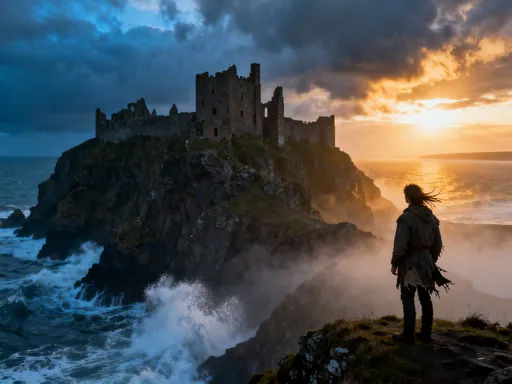
Perched dramatically on a jagged cliff overlooking the North Channel, Dunluce Castle is one of Northern Ireland’s most photographed and emotionally powerful ruins. Though only partial walls remain, the castle’s haunting silhouette against the sea creates an unforgettable image. Originally constructed in the 13th century by the Anglo-Normans, it was later expanded by the powerful MacDonnell clan in the 15th and 16th centuries, becoming a seat of nobility and influence.
The castle’s most striking feature is its precarious position—connected to the mainland by a narrow stone bridge, it appears to float above the crashing waves. Legends abound, including the tale of the kitchen collapsing into the sea during a storm, taking the cook and servants with it—a story that adds to the site’s mystique. While archaeologists confirm part of the kitchen did fall, the exact details remain shrouded in time, allowing imagination to fill the gaps.
Exploring Dunluce today is a mix of awe and caution. Well-marked pathways guide visitors safely around the perimeter, with designated viewing platforms offering the best photo opportunities. Interpretive panels explain the castle’s layout, domestic life, and decline after the 17th century, when it was gradually abandoned due to political upheaval and structural instability. The surrounding cliffs are home to seabirds, and on calm days, the sound of gulls and waves enhances the sense of solitude and timelessness.
Safety is a priority at Dunluce. Visitors are advised to stay on marked paths, especially in windy or wet conditions, as the cliffs are unstable in places. The site is managed by the Department for Communities and includes a small visitor shelter with historical information. There is no formal entry fee, but donations support preservation efforts. Located near the village of Bushmills, Dunluce is easily combined with a visit to the Giant’s Causeway or a stop at a local café serving traditional scones and tea. It’s a place that lingers in the mind—not for its completeness, but for the stories it evokes.
The Peace Walls and Murals of Belfast: Urban History in Full Color
Shifting from ancient ruins to modern history, Belfast’s peace walls and murals offer a profound look at the city’s recent past. These towering barriers, some over 30 feet high, were erected during the late 1960s to separate predominantly unionist and nationalist neighborhoods. While originally intended as temporary structures, many remain today as both physical and symbolic reminders of a divided past. Alongside them, vibrant murals cover the walls, transforming them into open-air galleries of memory, identity, and hope.
The murals vary widely in theme and tone. Some depict historical figures like Bobby Sands or Edward Carson, while others celebrate cultural icons, sports heroes, or international movements for justice. More recent artworks focus on reconciliation, peacebuilding, and community resilience. In areas like the Falls and Shankill Roads, guided walking tours provide context, helping visitors understand the complex social and political background without promoting any single viewpoint. These tours are led by locals who often share personal stories, adding a human dimension to the city’s history.
Visiting the peace walls requires sensitivity and respect. These are not tourist attractions in the traditional sense—they are part of living communities. Photography should be done discreetly, and visitors are encouraged to follow the guidance of tour leaders. The goal is not to sensationalize the past, but to acknowledge it and recognize the progress made toward peace since the Good Friday Agreement of 1998.
For many travelers, this experience is unexpectedly moving. It reminds us that history is not always carved in stone—it can also be painted in bold colors on concrete. The murals serve as educational tools, sparking conversations about identity, conflict, and healing. By approaching these sites with openness and humility, visitors contribute to a culture of understanding. Belfast’s transformation from a city of division to one of dialogue is still unfolding, and these walls—once symbols of separation—now also stand as canvases of change.
Navigating Logistics: Getting There, Timing It Right, Staying Nearby
Planning a trip to Northern Ireland’s landmarks begins with practical logistics. Most international visitors arrive through Belfast International or Belfast City Airport, both offering easy access to public transport and car rentals. From Belfast, the major sites are within a two-hour drive, making road trips a popular and flexible option. Renting a car allows travelers to explore at their own pace, stop at scenic viewpoints, and reach more remote locations like the northern coastline.
Public transportation is another viable choice, especially for those visiting the Giant’s Causeway or Carrickfergus Castle. Ulsterbus and Translink operate regular services from Belfast to key towns. The Causeway Rambler bus, for example, runs seasonally from Belfast to Bushmills and the Giant’s Causeway, with stops at other attractions. While less flexible than driving, it’s cost-effective and eco-friendly. For travelers without a car, organized day tours from Belfast offer a convenient alternative, often including guided visits and hotel pickup.
Deciding between day trips and overnight stays depends on your schedule and interests. The Antrim Coast, with its concentration of landmarks, is ideal for an overnight visit. Staying in towns like Bushmills, Ballycastle, or Cushendall allows for early access to sites before crowds arrive and provides time to enjoy local hospitality. Accommodation ranges from family-run guesthouses and bed-and-breakfasts to boutique hotels and self-catering cottages. Booking in advance is recommended, especially during summer and holiday seasons.
When planning your itinerary, consider grouping nearby sites to minimize travel time. For instance, combining Carrickfergus Castle with a visit to Belfast’s murals makes for a meaningful day. Similarly, Dunluce Castle, the Giant’s Causeway, and the nearby village of Ballintoy can be comfortably explored in one coastal loop. Using digital maps and visitor websites to check opening times and weather conditions helps ensure a smooth experience. With thoughtful planning, even a short trip can feel rich and rewarding.
Maximizing Your Visit: Smart Strategies for a Smooth Trip
To make the most of your journey, preparation is key. Northern Ireland’s weather is famously changeable—sunny mornings can quickly turn into rainy afternoons. Packing layers, a waterproof jacket, and sturdy walking shoes ensures comfort across varying conditions. A small backpack with water, snacks, and a portable charger can be invaluable during full-day excursions.
Itinerary planning should balance must-see landmarks with downtime. Over-scheduling can lead to fatigue, especially when traveling with children or older adults. Aim for one or two major sites per day, allowing time to absorb the atmosphere and engage with local culture. Many visitors find that quieter moments—sipping tea in a coastal café, chatting with a shopkeeper, or watching seabirds circle a cliff—become just as memorable as the main attractions.
Take advantage of resources from trusted organizations like the National Trust, which manages several historic properties and natural sites in Northern Ireland. Their website provides detailed visitor information, conservation updates, and membership benefits for frequent travelers. Additionally, downloading offline maps or visitor apps can be helpful in areas with limited mobile signal.
Respecting the environment and cultural heritage is essential. Many sites are fragile, both physically and emotionally. Staying on marked paths, not removing stones or plants, and keeping noise levels down helps preserve these places for future generations. At historical sites, especially those tied to recent conflicts, maintaining a respectful demeanor honors the communities connected to them.
Finally, embrace the spirit of discovery. Northern Ireland’s landmarks are not just destinations—they are invitations to slow down, reflect, and connect. Whether you’re standing where ancient giants were said to walk or tracing the lines of a mural painted in hope, you’re participating in a living story. With preparation, curiosity, and respect, your visit becomes more than a trip—it becomes a meaningful chapter in your own journey.
More Than Stones and Scenery—A Journey Through Time
Northern Ireland’s landmarks offer something rare in modern travel: authenticity. They are not recreated, over-commercialized, or stripped of meaning. Instead, they stand as honest witnesses to time—shaped by nature, built by human hands, and preserved through collective care. Each site, whether a towering castle or a painted wall, carries layers of history that invite reflection and connection.
Traveling here is not about checking boxes on a list. It’s about feeling the salt spray on your face at the Giant’s Causeway, imagining medieval life within Carrickfergus Castle’s walls, or pausing before a mural that speaks of loss and renewal. These experiences stay with you, not just in photographs, but in memory and emotion.
By visiting thoughtfully—planning wisely, respecting local customs, and staying open to discovery—you honor both the places and the people who cherish them. Northern Ireland does not demand grand gestures. It asks only for presence, curiosity, and a willingness to listen to the stories written in stone, sea, and paint.
So pack your coat, lace up your walking shoes, and set out with an open heart. Northern Ireland awaits—not as a distant destination, but as a living story ready to be shared. You don’t just see these landmarks. You feel them. And that makes all the difference.