You Won’t Believe These Hidden Natural Wonders in Chicago
When you think of Chicago, skyscrapers and city life come to mind—but what if I told you the city hides breathtaking natural wonders just off the beaten path? I was stunned to discover serene prairies, glowing fireflies, and lakeside dunes right within city limits. These quiet escapes offer peace, beauty, and a wild side of Chicago most never see. From restored tallgrass ecosystems to protected bird sanctuaries, the region’s green spaces provide more than scenic views—they offer emotional renewal, a sense of connection, and a reminder that nature thrives even in the heart of urban America. Let me take you to the spots locals love but rarely share.
The Urban Jungle’s Wild Secret
Chicago is often celebrated for its bold architecture, vibrant culture, and bustling lakefront. Yet beyond the steel and glass, a quieter, greener world unfolds—one that many residents and visitors overlook. Nestled between neighborhoods and suburbs are pockets of native prairie, ancient woodlands, and dynamic wetlands that have been carefully restored and preserved. These natural enclaves are not just scenic diversions; they serve as essential sanctuaries for both wildlife and human well-being. Studies show that spending time in green spaces reduces stress, improves focus, and enhances emotional resilience—benefits especially valuable in a fast-paced urban environment.
What makes Chicago’s natural offerings unique is their accessibility and authenticity. Unlike manicured city parks, these areas reflect the region’s original ecosystems—tallgrass prairies that once covered much of Illinois, oak savannas shaped by centuries of natural fire cycles, and dune-and-swale landscapes formed by ancient glacial lakes. Places like the Cook County Forest Preserves and the Chicago Park District’s natural areas have undergone decades of ecological restoration, turning degraded land back into thriving habitats. This blend of urban proximity and ecological integrity makes Chicago a rare example of how cities can coexist with wild nature.
Key locations include the Palos Forest Preserves to the southwest, the Indiana Dunes just over the state line, and smaller but equally significant sites like Indian Boundary Prairies and Somme Woods in the northern suburbs. Each offers a distinct experience—whether it’s hiking through sun-dappled woodlands, watching monarch butterflies flit over blooming milkweed, or listening to the chorus of frogs on a warm spring evening. These spaces remind us that wilderness doesn’t always require a cross-country trip; sometimes, it’s just a short drive or bike ride away.
The Magic of Nachusa Grasslands Proximity
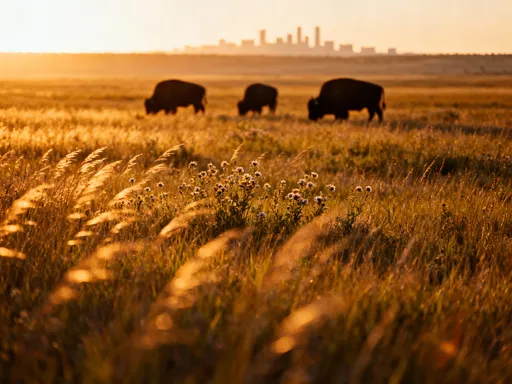
Just over an hour’s drive west of Chicago lies one of the Midwest’s most remarkable conservation success stories: the Nachusa Grasslands. Managed by the Nature Conservancy, this 4,000-acre preserve is one of the largest and most biologically diverse tallgrass prairie restorations in the country. While not within city limits, its proximity makes it a feasible day trip for Chicago residents seeking a deeper immersion into native landscapes. What sets Nachusa apart is not just its scale, but the return of American bison in 2014—a keystone species that plays a vital role in shaping prairie ecology through grazing and movement.
Visitors to Nachusa experience a landscape that feels both ancient and renewed. In spring, the prairie floor bursts with color as shooting stars, pasque flowers, and prairie smoke bloom in succession. Summer brings waves of coneflowers, blazing star, and black-eyed Susans, attracting pollinators in astonishing numbers. By fall, the grasses turn golden and russet, swaying in the wind like ocean waves. The presence of bison adds a sense of awe—seeing these majestic animals roam freely, their breath visible in the cool morning air, creates a powerful connection to the continent’s ecological past.
Conservation at Nachusa is science-driven and community-supported. Researchers monitor plant diversity, soil health, and wildlife populations, while hundreds of volunteers participate in seed collection, invasive species removal, and prescribed burns—controlled fires that mimic natural processes and promote prairie regeneration. Visitors are encouraged to stay on designated trails, avoid feeding wildlife, and leave no trace. Educational programs and guided hikes help deepen public understanding of prairie ecosystems, fostering a culture of stewardship that extends beyond the preserve’s boundaries.
Chicago’s Own Wilderness: Indiana Dunes National Park
Just 50 miles southeast of downtown Chicago, Indiana Dunes National Park offers a striking contrast to the city’s skyline. Spanning over 15,000 acres along the southern shore of Lake Michigan, the park features shifting sand dunes, dense forests, wetlands, and a freshwater beach that draws thousands each year. Yet, despite its popularity, many of its quieter trails and ecological zones remain under the radar, offering solitude and serenity even on busy weekends. This national park is not just a recreational space—it’s a biodiversity hotspot, home to over 1,100 plant species and more than 350 types of birds.
Hiking trails like the 3 Dune Challenge lead adventurous visitors up steep slopes of fine sand to panoramic views of the lake and surrounding woodlands. The West Beach area provides a more relaxed experience, with flat paths through marshlands where sandhill cranes and bitterns can often be spotted. For those interested in geology, the park’s dunes tell a story of glacial retreat and shoreline evolution, with some dunes rising over 120 feet above lake level. The dynamic interplay between wind, water, and vegetation creates a constantly changing landscape—one that feels both fragile and resilient.
To avoid crowds, early morning visits during weekdays are ideal. Spring and fall offer milder temperatures and exceptional birdwatching, especially during migration seasons when warblers, hawks, and waterfowl pass through in large numbers. The park’s proximity to Chicago makes it a perfect destination for families, couples, and solo explorers alike. Public transportation options, including the South Shore Line train, provide car-free access from the city, aligning with sustainable travel practices. With picnic areas, educational exhibits, and ranger-led programs, Indiana Dunes balances accessibility with environmental protection.
Secret Prairie Havens Within the City: Somme Woods & Indian Boundary Prairies
For those who prefer not to leave the metro area, Somme Woods in Northbrook and Indian Boundary Prairies in West Ridge offer authentic prairie experiences just minutes from major highways. These sites are part of a broader network of ecological restoration projects led by local conservation districts and volunteer groups. Once degraded by invasive species and urban development, these lands have been transformed through decades of dedicated effort. Today, they stand as living testaments to what community-driven conservation can achieve.
Somme Woods, spanning over 100 acres, features a mosaic of oak woodlands, savannas, and restored prairies. Walking its trails in late summer, visitors are greeted by the rustle of big bluestem and Indian grass, towering native species that once dominated the Midwest. Wildflowers like purple coneflower and butterfly weed attract bees and butterflies, while red-headed woodpeckers and eastern bluebirds nest in the open canopy. The absence of streetlights and traffic noise creates a profound sense of stillness—a rare commodity in the suburbs.
Indian Boundary Prairies, located on Chicago’s far north side, is even more remarkable for its urban context. Planted on land that was once a city boundary marker, this site has been meticulously restored to reflect the native flora of the region. Volunteers hand-collect seeds from local plants, grow them in nurseries, and reintroduce them to the site, ensuring genetic authenticity. Nighttime visits reveal a surprising lack of light pollution, making it an ideal spot for stargazing or listening to the calls of screech owls and crickets. These small-scale preserves may not make headlines, but they play a crucial role in supporting pollinators, improving air and water quality, and providing quiet refuges for city dwellers.
The Glow After Dark: Firefly Meadows in Palos Forest Preserves
One of nature’s most enchanting displays unfolds each summer in the Palos Forest Preserves, where meadows come alive with the flickering lights of fireflies. This phenomenon, increasingly rare in urbanized areas due to light pollution and habitat loss, remains vibrant in these protected woodlands. The synchronous flashing of these bioluminescent beetles creates a dreamlike atmosphere, as if the ground itself is breathing with light. For families and nature lovers, a twilight walk through these preserves offers a magical experience that feels almost otherworldly.
The presence of fireflies is a sign of ecological health. These insects require moist soil, clean water, and minimal artificial light to thrive—conditions that the Palos Forest Preserves have successfully maintained. Conservationists credit the area’s success to careful land management, including invasive species control and the preservation of native understory plants that provide shelter for firefly larvae. Educational programs teach visitors about the insects’ life cycle and the importance of dark skies, fostering a sense of responsibility among park users.
For those planning a visit, timing is key. Peak firefly activity occurs in late June and early July, typically beginning about 30 minutes after sunset. Visitors are advised to arrive quietly, avoid using flashlights or phone screens, and refrain from capturing the insects. Staying on marked trails ensures minimal disturbance to the habitat. The Cook County Forest Preserve District often hosts guided firefly walks, led by naturalists who share insights about the species and the broader ecosystem. These events, though popular, maintain a low-impact format to protect the very wonder they celebrate.
Lakeside Escapes: Montrose Point Bird Sanctuary & The Magic Hedge
On Chicago’s North Side, jutting into Lake Michigan, lies Montrose Point Bird Sanctuary—a narrow peninsula that has earned legendary status among birdwatchers. Known affectionately as “The Magic Hedge,” this restored shrubland serves as a critical stopover for migratory birds traveling along the Mississippi Flyway. During spring and fall migrations, the sanctuary can host over 300 species, including rare warblers, tanagers, and orioles that pause to rest and feed before continuing their long journeys.
The sanctuary’s layout—dense thickets bordered by open sand and water—creates an ideal microhabitat for birds seeking shelter and food. Photographers and nature enthusiasts flock here at dawn, when the morning light filters through the trees and birds are most active. Benches and viewing platforms allow for comfortable observation without encroaching on sensitive areas. Despite its urban setting, the space feels secluded, buffered by the sound of waves and the calls of red-winged blackbirds.
Accessibility enhances its appeal. Served by the CTA’s #77 and #80 bus lines and connected to the Lakefront Trail, Montrose Point is easily reachable by public transit, bike, or foot. The Chicago Park District has invested in signage, habitat restoration, and visitor education to ensure sustainable use. Dog owners are asked to keep pets leashed, and picnicking is limited to designated zones to protect nesting areas. The result is a harmonious blend of urban access and ecological care—a model for how cities can support wildlife without sacrificing public enjoyment.
How to Explore Responsibly: A Traveler’s Guide to Low-Impact Visits
As interest in urban nature grows, so does the responsibility to protect these fragile spaces. The very qualities that make these hidden wonders special—pristine habitats, quiet solitude, and ecological authenticity—are vulnerable to overuse and neglect. Travelers can help preserve these areas by adopting low-impact practices that prioritize conservation without diminishing the experience. Staying on designated trails prevents soil erosion and protects native plants from trampling. Packing out all trash, including food scraps and biodegradable items, helps maintain clean habitats for wildlife.
Respecting wildlife means observing from a distance, avoiding feeding animals, and minimizing noise. Using binoculars or zoom lenses allows for intimate views without intrusion. For nighttime visits, such as firefly viewing, red-light flashlights preserve night vision and reduce light pollution. Carrying reusable water bottles, wearing weather-appropriate clothing, and bringing field guides or nature apps enhance preparedness while reducing waste.
Technology can support responsible exploration. Apps like iNaturalist allow users to document sightings and contribute to citizen science, while AllTrails provides up-to-date trail conditions and user reviews. Visiting during off-peak hours—early mornings or weekdays—reduces congestion and increases the chances of wildlife encounters. Most importantly, supporting local conservation organizations through donations or volunteer work ensures these spaces continue to thrive for future generations. Groups like the Friends of the Chicago River, the Forest Preserves of Cook County Volunteer Program, and the Indiana Dunes National Park Association welcome public involvement.
By choosing to explore mindfully, visitors become stewards of the landscapes they cherish. Each respectful step, each quiet observation, contributes to a culture of care that extends beyond individual trips. These natural wonders are not just destinations—they are living systems that depend on human awareness and action.
Chicago’s wild heart beats stronger than most realize. These natural wonders aren’t just beautiful—they’re proof that nature and cities can coexist. From the golden waves of restored prairies to the silent glow of fireflies in summer meadows, the region offers experiences that nourish the spirit and deepen our connection to the earth. By seeking out these hidden escapes, we not only refresh our souls but also protect the fragile balance between urban life and wilderness. Next time you’re in the Windy City, skip the crowded skyline tour—go where the prairie whispers and the fireflies light up the night. Nature is waiting, quietly, just around the corner.