Through the Lens of the Wild: Chasing Light in Osh’s Forgotten Landscapes
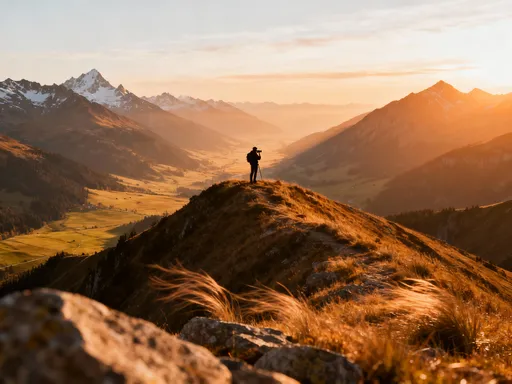
Osh, the ancient southern gem of Kyrgyzstan, isn’t just a cultural crossroads—it’s a photographer’s dream hidden in plain sight. Nestled between the rugged Pamir-Alay and Ferghana ranges, its raw, untamed nature unfolds in golden alpine meadows, jagged peaks, and winding highland trails. I went seeking solitude and left with memory cards full of light, texture, and silence so deep it echoes. This is where the land writes poetry—and your camera becomes the pen. Far from the curated scenes of more popular destinations, Osh offers something rare: authenticity framed by dramatic geography, where every ridge line and river bend tells a story waiting to be captured not just with a lens, but with intention.
The Soul of Osh: More Than Just a Gateway
Osh is often regarded as a stepping stone—a historic city en route to the mountains further north or west. Yet for those willing to look beyond its ancient Sulaiman-Too hill and bustling Jayma Bazaar, the surrounding landscapes reveal a quieter, more elemental beauty. Just a short drive from the city’s edge, asphalt gives way to dirt tracks that climb into high pastures where time slows and the air thins. Here, the transition from urban life to wilderness is not gradual; it is immediate, almost cinematic. One moment you’re surrounded by the hum of motorbikes and the scent of fresh flatbread, and the next you’re standing atop a windswept ridge with nothing but grazing horses and distant peaks silhouetted against the sky.
What makes Osh uniquely compelling for photographers is this juxtaposition. The city itself pulses with centuries of Silk Road heritage, yet within an hour’s reach lie untouched valleys and remote highland plateaus that few tourists ever see. These areas are not marketed on postcards, nor do they appear on mainstream travel itineraries. Instead, they exist in the margins—known primarily to shepherds, local families, and seasonal herders who move livestock between summer and winter pastures. For the observant photographer, this means access to scenes unaltered by mass tourism: weathered wooden fences half-buried in grass, hand-built stone corrals, and trails worn smooth by generations of hooves and boots.
Geographically, Osh sits at the convergence of several tectonic forces, creating a dramatic backdrop of folded mountains and deep river gorges. The northern foothills roll into the Ala-Too range, while to the south, the terrain rises sharply toward the Ak-Say and Babash-Ata peaks. This varied topography results in microclimates and rapidly shifting light conditions—ideal for capturing contrast and depth. Photographers benefit from understanding these transitions, learning when fog lifts from the valleys or how afternoon shadows stretch across south-facing slopes. With minimal infrastructure and limited signage, exploration requires preparation, but the rewards are immense: solitude, authenticity, and visual narratives that feel both timeless and deeply personal.
Ala-Too’s Hidden Valleys: Where Light Paints the Earth
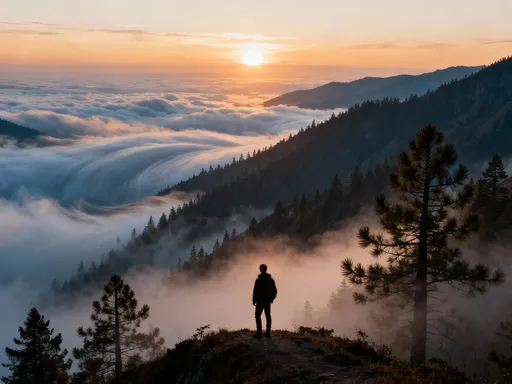
The northern reaches of Osh’s highlands, influenced by the Ala-Too mountain system, offer some of the most photogenic terrain in southern Kyrgyzstan. These valleys, carved by glacial runoff and shaped by centuries of erosion, come alive in the early hours when soft golden light spills over the ridgelines. Unlike the more visited areas near Lake Issyk-Kul, these slopes remain largely undisturbed, accessible only by narrow dirt paths that follow seasonal streams. At dawn, mist clings to the meadows like gauze, drifting slowly as the sun climbs, revealing layers of texture—wet grass glistening, stone walls glowing with warm undertones, and distant flocks emerging like shadows in motion.
One of the most rewarding experiences here is photographing the interplay between light and elevation. Because many of these valleys sit between 2,000 and 3,000 meters above sea level, the clarity of the atmosphere enhances color saturation and sharpness. Morning light, in particular, casts long, sculptural shadows that emphasize the contours of the land. A single ridge can transform over the course of minutes—from deep indigo to warm amber—as the sun rises. This dynamic range challenges photographers to adjust settings quickly, balancing exposure between bright highlights and rich shadows without losing detail in either.
Wildlife adds another layer of narrative. Horses, often left to graze freely, move through the mist in small groups, their breath visible in the cold air. Capturing them requires patience and silence—approaching too closely will send them trotting away—but with a telephoto lens and careful positioning, it’s possible to document their natural behavior without disruption. The key is to remain unobtrusive, allowing the scene to unfold organically. Early spring brings newborn foals, their legs wobbling as they follow their mothers across dew-covered fields—an intimate moment that speaks to renewal and resilience.
For those exploring on foot, navigation requires local guidance or well-marked GPS routes, as trails are not always obvious. However, this lack of formal infrastructure contributes to the region’s untouched quality. There are no viewing platforms, no souvenir stalls, no crowds. What exists is pure landscape—raw, responsive to weather, and deeply expressive. A sudden cloud break can turn a gray morning into a burst of color within seconds, reminding photographers that nature, not schedule, dictates the rhythm of the day. This unpredictability is not a challenge to overcome, but a condition to embrace.
The Sary-Chelek Influence: Capturing Pristine Water and Forest
Though Sary-Chelek National Park lies farther north in the Fergana Range, its ecological influence extends southward into the forested highlands near Osh’s western border. These elevated zones—cloaked in juniper woodlands and dotted with small glacial lakes—share the same pristine character that makes Sary-Chelek a UNESCO Biosphere Reserve. Here, biodiversity thrives in relative isolation, and the visual language shifts from open pasture to dense greenery and mirrored water surfaces that reflect the sky with near-perfect clarity.
Photographing these areas demands a different approach. Where the open valleys favor wide-angle compositions and dramatic skies, the forested regions invite intimacy. Light filters through the canopy in broken beams, illuminating patches of moss-covered stone or clusters of wildflowers. The palette softens—deep greens, muted browns, and the occasional flash of blue from a darting kingfisher or the surface of a still pond. Long exposures work exceptionally well here, especially near flowing streams where shutter speeds of several seconds can render water as silk, contrasting with the solidity of surrounding rocks and roots.
One of the most powerful tools in this environment is reflection. Small lakes, often unnamed and unmarked on maps, become natural mirrors when the wind dies down. A well-composed shot can double the visual impact—sky above, sky below—with only a thin line of shoreline to anchor the image. Achieving this requires calm conditions and precise timing. Early mornings are ideal, when the air is still and temperature differences between land and water are minimal. A polarizing filter helps reduce glare and deepen colors, particularly in the blue-green spectrum common to alpine lakes fed by snowmelt.
Macro photography also finds its place here. Dewdrops on spiderwebs, lichen patterns on ancient juniper bark, or the intricate structure of a single feather caught in the underbrush—all invite close inspection. These details, often overlooked, tell quieter stories of survival and adaptation. They remind the viewer that beauty exists not only in grand vistas but in the smallest elements of an ecosystem. For photographers, carrying a macro lens or close-up attachment opens an entirely new dimension of creative possibility, transforming a simple walk through the woods into a visual treasure hunt.
Kyzyl-Asker to the Aravans: Rural Roads with Visual Rhythm
South and west of Osh, the rural districts of Kyzyl-Asker and Aravan unfold in rolling hills and patchwork fields, where traditional Kyrgyz life continues with quiet dignity. These areas are not destinations in the conventional sense—they lack hotels, guided tours, or tourist centers—but they offer some of the most authentic photographic opportunities in the region. Along unpaved roads, women in bright headscarves work in vegetable plots, children walk home from school along dusty paths, and flocks of sheep and goats move slowly across slopes, shepherded by elders on horseback.
What makes these scenes compelling is their rhythm—the repetition of patterns, colors, and movements that create visual harmony. A line of yurts set against a hillside, their smoke trails rising into the evening air; a row of hand-painted wooden fences dividing pastures; the diagonal sweep of a flock moving across a golden slope at sunset—all offer strong compositional elements. Leading lines, natural framing, and the rule of thirds come into play instinctively when photographing these landscapes. The human presence, though central, remains integrated with the environment, never dominating it.
Portraiture in these regions requires sensitivity and respect. While many locals are accustomed to visitors, especially during summer months, photographing people should always be done with consent. A simple gesture, a smile, or a few words in Kyrgyz go a long way in building trust. When permission is granted, the resulting images carry emotional weight—faces lined with years of sun and wind, hands calloused from labor, eyes that speak of both resilience and warmth. These are not staged scenes; they are moments of real life, captured with dignity.
Golden hour is particularly effective here. As the sun lowers, the entire landscape is bathed in warm, diffused light that enhances skin tones and enriches the colors of traditional clothing. The contrast between light and shadow becomes softer, reducing harsh highlights and allowing for more balanced exposures. A reflector or bounce card can help fill in facial shadows during portraits, but often the natural light is sufficient, especially when shooting backlit silhouettes or side-lit profiles. The key is to remain present, observant, and ready—because the most powerful images often arise spontaneously, in the space between planned shots.
Seasonal Shifts: What Each Time of Year Reveals
Osh’s landscapes are not static; they transform dramatically with the seasons, each period offering distinct photographic opportunities. Spring, from late April to early June, brings a burst of color as alpine meadows awaken with wildflowers—purple saxifrage, yellow buttercups, and delicate blue gentians dotting the green slopes. Melting snow feeds streams and waterfalls, creating dynamic movement ideal for long-exposure techniques. This is also the time when shepherds begin moving livestock to higher pastures, offering candid scenes of migration and renewal.
Summer, from July to mid-September, delivers the most stable weather and fullest greenery. Temperatures in the highlands remain mild, rarely exceeding 25°C, making it ideal for extended hikes and multi-day treks. The days are long, with sunrise around 5:30 a.m. and sunset after 8:00 p.m., providing ample time for both early-morning and late-evening shoots. However, this is also the busiest season, with local families visiting summer homes and festivals occasionally taking place in village centers. While this adds cultural vibrancy, photographers seeking solitude may prefer the shoulder months.
Autumn, from late September to early November, is often considered the most visually striking. Grasses turn golden and russet, creating a warm, textured palette that contrasts beautifully with the deep blue skies. Morning frosts add a crystalline quality to the grass, and the air becomes exceptionally clear, enhancing visibility and color depth. This is an excellent time for aerial photography, as drone shots reveal the sweeping patterns of harvested fields and migrating herds. However, road conditions can deteriorate quickly, especially after rain, so 4x4 vehicles are recommended for remote access.
Winter, from December to March, transforms the region into a monochromatic dreamscape. Snow blankets the valleys and mountains, muting sound and simplifying compositions. While temperatures can drop below -15°C at higher elevations, the light remains soft and diffused, ideal for minimalist photography. Icicles form on rock faces, frozen streams create abstract patterns, and smoke from distant chimneys curls into the cold air—a quiet beauty that rewards patience and preparation. Winter travel requires proper gear and local knowledge, but for those equipped, the sense of isolation and purity is unmatched.
Gear and Mindset: Photographing Wild Kyrgyzstan Responsibly
Capturing the essence of Osh’s landscapes requires more than technical skill—it demands thoughtful preparation and ethical awareness. The terrain is often remote, access is limited, and weather can change rapidly. A lightweight setup is essential: a mirrorless or DSLR camera with two versatile lenses (such as a 24-70mm and a 70-200mm), a sturdy tripod for long exposures, and extra batteries (cold temperatures drain power quickly). A weather-sealed body and lens filters help protect equipment from dust, moisture, and sudden rain showers, which are common in the mountains.
Equally important is the photographer’s mindset. This is not a place for rushed snapshots or invasive behavior. The most meaningful images emerge from stillness—waiting for the light to shift, allowing animals to move naturally, or spending time with a family before raising the camera. Respect for local customs is non-negotiable. Always ask permission before photographing people, avoid entering private property, and never disturb livestock or sacred sites. The Sulaiman-Too hill, for instance, is not only a UNESCO World Heritage Site but also a place of spiritual significance; climbing it requires reverence, not just curiosity.
Environmental responsibility is equally crucial. These ecosystems are fragile, and even small disruptions—like stepping off marked paths or leaving behind waste—can have lasting effects. The principle of Leave No Trace applies fully: pack out all trash, avoid using drones near settlements or wildlife, and minimize campfire use. By moving quietly and leaving no footprint, photographers become stewards of the landscape, not just observers. This approach not only preserves the environment but also deepens the quality of the experience, fostering a sense of connection rather than extraction.
Beyond the Frame: Why These Landscapes Matter
Photography in Osh is more than an artistic pursuit—it is an act of witnessing. These landscapes are not merely scenic backdrops; they are living systems intertwined with cultural identity, ecological balance, and generational continuity. The meadows feed livestock, the forests protect watersheds, and the mountains shape weather patterns that sustain agriculture below. When we photograph them, we participate in a larger narrative—one of interdependence, resilience, and quiet beauty.
In an age where images circulate rapidly and often lose meaning, there is value in slowing down. A single photograph, taken with care and shared with purpose, can inspire awareness, empathy, and even conservation. It can remind viewers that places like Osh exist—not as destinations to be consumed, but as ecosystems to be respected. By choosing to explore with reverence, photographers become quiet ambassadors, using their work not to claim ownership, but to extend an invitation: to look closely, to listen, and to appreciate what remains unspoiled.
The wild spaces around Osh do not need fame. They thrive in obscurity, sustained by local knowledge and seasonal rhythms. But they do need protection—from climate change, from unchecked development, from the unintended consequences of attention. As photographers, we hold a unique responsibility: to capture beauty without exploiting it, to share stories without distorting them, and to return with more than images. We return with understanding. And in that understanding lies the truest form of preservation—a commitment to see, and to help others see, the quiet poetry written across the land.