You Won’t Believe What I Discovered at Palawan’s Hidden Cultural Spots
Palawan isn’t just about beaches and lagoons—its soul lives in the quiet corners where culture still breathes. I went searching for something deeper than postcard views and found living traditions that few travelers ever see. From village artisans to ancient rituals, these cultural spaces changed how I see travel. This is not just a trip—it’s a connection. Let me show you how to find the real Palawan.
Beyond the Postcard: The Real Heart of Palawan
When most travelers think of Palawan, images of turquoise waters, limestone cliffs, and sun-drenched beaches dominate their imagination. El Nido and Coron have become synonymous with paradise, drawing thousands each year to kayak through hidden lagoons and dive into coral-rich reefs. Yet, beyond these natural wonders lies a cultural landscape equally breathtaking, though far less explored. The true essence of Palawan is not only in its geography but in its people—their stories, crafts, beliefs, and daily rhythms that have endured for generations. While sunsets over Bacuit Bay are unforgettable, it is the quiet hum of a weaving loom in a remote village or the echo of a traditional kulintang melody at dusk that leaves a lasting imprint on the soul.
Tourism in Palawan has largely centered on ecotourism and adventure travel, which, while valuable, often sidelines the island’s rich cultural heritage. Resorts and tour operators promote island-hopping and snorkeling, but rarely do they include visits to community centers, ancestral homes, or local festivals that reflect the identity of the people who call this place home. This imbalance creates a one-dimensional view of Palawan—one that celebrates nature while overlooking the human element that gives it meaning. Travelers leave with stunning photos but may miss the deeper understanding that comes from cultural immersion. By shifting focus from scenery to stories, visitors can experience Palawan in a more complete, respectful, and transformative way.
Engaging with Palawan’s cultural heart requires intention. It means stepping off the beaten path, slowing down, and approaching communities not as spectators but as guests. This kind of travel does not follow a fixed itinerary; it unfolds through conversations, shared meals, and moments of quiet observation. It asks travelers to move beyond consumption and toward connection. When done with humility and care, such experiences enrich not only the visitor but also support the preservation of traditions that might otherwise fade in the face of modernization and mass tourism.
Finding Authentic Cultural Spaces Off the Tourist Trail
Locating genuine cultural experiences in Palawan demands more than a quick Google search or a stop at a roadside souvenir stall. Authenticity is not found in staged performances for tourist buses or in souvenir shops selling mass-produced handicrafts labeled as “tribal art.” Instead, it resides in everyday life—in village plazas where elders gather, in open-air workshops where artisans shape wood and weave fibers, and in community halls where songs are passed from one generation to the next. These spaces are not always marked on maps, but they are accessible to those who seek them with respect and patience.
One of the most effective ways to discover these hidden cultural spots is through locally-run homestays. Unlike commercial resorts, family-operated accommodations often serve as gateways to community life. Hosts are usually eager to share their traditions, whether it’s inviting guests to join a meal cooked over an open fire, demonstrating traditional fishing techniques, or explaining the significance of a nearby ceremonial site. Staying in a homestay also ensures that tourism benefits flow directly to the community, fostering economic sustainability and mutual trust.
Another valuable resource is community-based tourism networks. In recent years, several municipalities in Palawan have developed organized cultural tours led by local guides. These programs are designed to showcase heritage while maintaining control within the community. For example, in the interior villages of northern Palawan, small cooperatives offer guided visits to weaving centers, forest trails with ethnobotanical knowledge, and traditional dance demonstrations—all scheduled around the community’s rhythm, not tourist demand. These initiatives prioritize dignity over spectacle and education over entertainment.
Timing plays a crucial role in meaningful cultural engagement. Visiting during local festivals, such as the Pagdiwata harvest celebration or town fiestas honoring patron saints, offers a window into communal joy and spiritual expression. However, even outside of festivals, travelers can find authenticity by asking questions, showing genuine interest, and being mindful of local customs. The key is to approach each interaction not as a transaction but as an invitation—to listen, to learn, and to leave with gratitude rather than just photographs.
The Art of Listening: Engaging with Palawan’s Indigenous Communities
At the core of Palawan’s cultural richness are its indigenous communities, particularly the Tagbanua, Palaw’an, and Batak peoples, who have lived in harmony with the island’s forests and coastlines for centuries. These groups are not relics of the past but living cultures with dynamic identities, languages, and knowledge systems. Their wisdom—especially in sustainable living, medicinal plants, and oral storytelling—offers profound lessons for modern travelers seeking a deeper relationship with place.
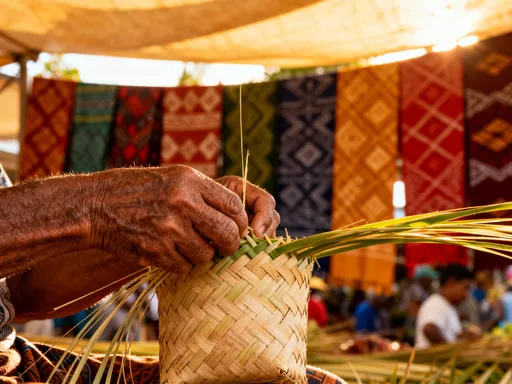
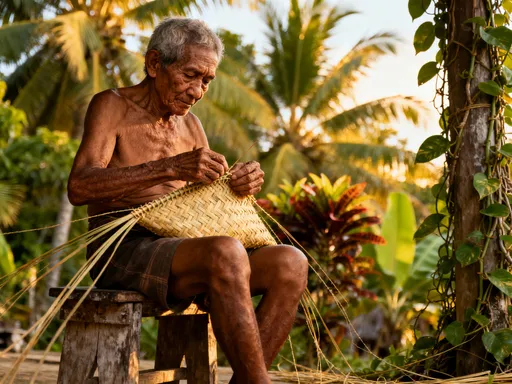
Meaningful engagement begins with listening. Too often, tourists approach indigenous communities with cameras ready and questions framed by curiosity rather than respect. A more thoughtful approach involves quiet observation, patient conversation, and an openness to learn without demanding. For instance, spending time in a weaving hut, watching an elder carefully thread nito vines into intricate patterns, becomes a lesson in patience, artistry, and cultural continuity. When the artisan shares the meaning behind a design—a symbol of protection, a story of migration—the exchange becomes sacred.
Traditional music offers another powerful entry point. The use of instruments like the kulintang (a set of small gongs), the kudlong (a two-stringed lute), and bamboo flutes carries spiritual and social significance. In some communities, music is not performed for entertainment but as part of rituals or healing ceremonies. Travelers fortunate enough to witness such moments should do so with reverence, understanding that they are being granted rare access. Recording or photographing should only occur with explicit permission, and even then, with awareness of the context.
Supporting community-led initiatives is essential. Some villages have established cultural education programs where visitors can participate in workshops on traditional crafts, language, or forest navigation. These programs are often run by youth leaders trained in both ancestral knowledge and modern pedagogy, ensuring that heritage is preserved without being frozen in time. By participating in these efforts, travelers contribute to intergenerational transmission of culture while fostering mutual respect.
Sacred Grounds: Respecting Spiritual and Historical Sites
Across Palawan, there are places that transcend physical beauty—they are sacred. These include ancestral caves, burial grounds, ceremonial clearings, and centuries-old churches that blend indigenous and colonial influences. Unlike tourist attractions, these sites are not designed for casual visitation. They are integral to the spiritual life of communities, serving as spaces for prayer, remembrance, and ritual. Approaching them requires more than curiosity; it demands humility and adherence to local protocols.
One such example is the Tabon Caves in Quezon, often called the “Cradle of Philippine Civilization” due to the discovery of the Manunggul Jar and other archaeological treasures. While the site is open to visitors, it is also a resting place for ancestors. Locals regard it with deep reverence, and certain chambers are restricted. Travelers should follow designated paths, avoid touching artifacts or markings, and refrain from loud conversation. A quiet demeanor honors the sanctity of the space and acknowledges its dual role as both a historical site and a spiritual one.
Dress and behavior matter greatly when visiting sacred locations. In many indigenous communities, covering shoulders and legs is expected, not as a tourist rule but as a sign of respect. Removing shoes before entering a communal house or ceremonial area is common practice. Photography may be prohibited altogether in certain places, especially during rituals. Even if no signs are posted, asking before taking pictures is a basic gesture of courtesy. The goal is not to document every moment but to be present in it.
Understanding the significance of these sites enhances the experience. For example, some caves are believed to be portals to the spirit world, while others are used for initiation rites. Churches in rural towns often incorporate local carvings and symbols, reflecting a unique fusion of Catholic and indigenous beliefs. Learning about these layers—through guided explanations, not speculation—helps visitors appreciate the complexity of Palawan’s cultural identity without reducing it to exoticism.
Supporting Culture Through Responsible Choices
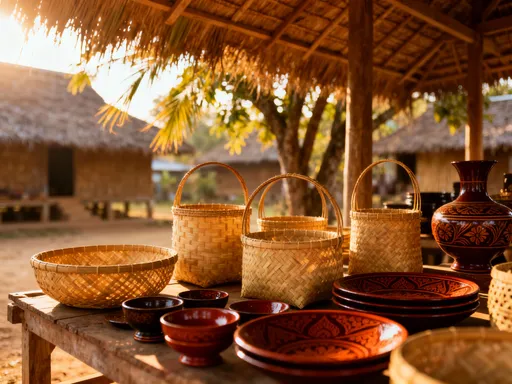
Travelers have the power to support cultural preservation through everyday decisions. One of the most direct ways is by purchasing crafts directly from artisans rather than from souvenir shops in tourist hubs. When you buy a handwoven basket from the maker, you contribute to sustainable livelihoods and affirm the value of traditional skills. Look for cooperatives or community stalls where prices are fair and the story behind the craft is shared. Avoid items made from endangered materials, such as turtle shell or protected wood species, even if they are marketed as “authentic.”
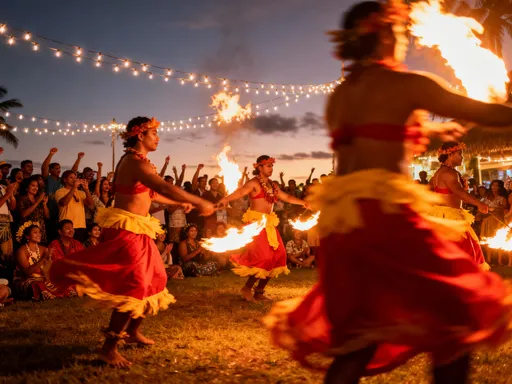
Attending locally organized cultural presentations is another meaningful choice. Unlike commercial shows designed for quick entertainment, community-led performances are often part of larger events—festivals, school programs, or heritage days. They are performed with pride, not for profit, and usually include explanations of the dances, music, or costumes. Sitting through a 30-minute dance depicting a creation myth may not fit a tight itinerary, but it offers insight that no brochure can provide.
Volunteering with heritage programs, when done responsibly, can also make a difference. Some communities welcome short-term assistance with documentation projects, language preservation, or eco-cultural trail maintenance. However, such involvement should be invited, not imposed. Well-meaning travelers sometimes assume they can “help” by launching their own initiatives without consulting local leaders, which can undermine existing efforts. True support means listening first, following guidance, and recognizing that communities are the stewards of their own culture.
Equally important is avoiding exploitative practices. “Photo tourism,” where visitors pay to photograph people in traditional attire, reduces culture to a commodity and often disrespects the dignity of participants. Similarly, pressuring elders or children to perform dances or share stories for tips is inappropriate. Cultural exchange should never feel transactional. Instead, gratitude can be expressed through respectful presence, thoughtful questions, and, when appropriate, small gifts like school supplies or food items that benefit the whole community.
When and How to Visit: Timing and Preparation Tips
Planning a culturally immersive trip to Palawan requires thoughtful timing and preparation. The dry season, from November to May, is ideal for travel, as roads are more accessible and outdoor events are more likely to occur. However, the best time to experience cultural events is often during local festivals, which vary by municipality. The Pagdiwata festival, celebrated by the Tagbanua in April or May, honors the spirits of nature and ancestors with rituals, dances, and communal feasts. Town fiestas, usually held in honor of patron saints, take place throughout the year and offer opportunities to witness religious processions, traditional games, and music.
Before traveling, research local calendars through municipal tourism offices or community cooperatives. Many smaller events are not advertised online but are well known within the region. Connecting with local guides—especially those affiliated with community tourism groups—ensures up-to-date information and respectful access. These guides are not only knowledgeable but also serve as cultural bridges, helping visitors navigate language barriers and social norms.
It is also important to recognize that some periods are not suitable for visitation. Sacred rituals, mourning periods, or agricultural cycles may restrict access to certain areas. Rather than seeing this as a disappointment, view it as a reminder that culture is not on display—it lives on its own terms. Flexibility and patience are essential. If a planned visit is postponed or canceled, use the time to deepen your understanding through reading, conversation, or simply observing daily life in the surrounding area.
Preparation also includes practical considerations: packing modest clothing, carrying cash for small purchases, and learning a few basic phrases in the local language. Even simple greetings in Tagalog or Palawano can open doors and signal respect. Most importantly, approach each interaction with an open mind and a willingness to adapt. The most rewarding cultural experiences often arise unexpectedly—a shared meal, an impromptu storytelling session, or an invitation to join a community project.
Bringing It All Together: A More Meaningful Way to Travel
Discovering Palawan’s hidden cultural spots transforms the act of travel from sightseeing to understanding. It shifts the focus from capturing the perfect photo to forming genuine connections—with people, with history, with a way of life that values harmony, resilience, and community. This kind of journey does not require luxury or convenience; it asks only for presence, respect, and curiosity.
When we choose to engage with culture on its own terms, we become more than tourists. We become witnesses to living traditions, allies in preservation, and carriers of stories worth sharing. We learn that a woven mat is not just a souvenir but a testament to generations of knowledge. We realize that a quiet prayer in a village chapel carries the weight of centuries. And we understand that true exploration is not about how many places we see, but how deeply we see them.
Traveling with care means moving slowly, listening more than speaking, and leaving spaces exactly as we found them—physically and spiritually. It means supporting communities in ways that honor their autonomy and dignity. It means returning home not just with bags of souvenirs, but with a changed perspective.
Palawan’s beauty is undeniable, but its soul is found in the spaces between the postcards. Seek them. Respect them. Carry them forward. Let your next journey be not just to a place, but to a deeper understanding of what it means to belong, to remember, and to care.