You Won’t Believe What I Found in Varna’s Hidden Corners
I went to Varna expecting beaches and Black Sea views, but what I discovered was so much more. This city breathes through its spaces—cobblestone alleys, sunlit plazas, forgotten courtyards whispering stories. It’s not just a destination; it’s a feeling. Walking through its urban fabric, I realized how much character can live in the gaps between landmarks. If you think you know Varna, think again. The real magic? It hides in plain sight, waiting to be explored—one step, one glance, one quiet moment at a time.
First Impressions: The Gateway to Varna’s Urban Soul
Arriving in Varna, one is immediately met with a rhythm that feels both lived-in and welcoming. The city does not announce itself with towering monuments or sweeping boulevards, but with a quiet confidence in its everyday life. From the moment you step off the train or bus, the atmosphere shifts subtly—sounds soften, air carries a faint sea salt freshness, and people move with a pace that suggests they know where they're going, but aren’t in any rush to get there. This is not a city built for spectacle, but for living. Its charm unfolds gradually, like a well-worn book whose spine gives way to stories only revealed through careful reading.
The transition from transportation hubs to the heart of the city is seamless, designed in a way that encourages walking rather than rushing. Wide sidewalks, clear signage, and occasional green spaces buffer the urban experience, making arrival feel less like an intrusion and more like an invitation. Unlike some destinations where tourists are funneled into specific zones, Varna integrates visitors into its daily flow. You might find yourself walking alongside a woman carrying groceries, a man reading a newspaper on a bench, or children chasing pigeons near a fountain—all part of the city’s unscripted theater.
What stands out most is how Varna’s public spaces feel accessible rather than performative. There’s no pressure to 'see' everything or follow a curated path. Instead, the city invites wandering, rewarding those who pause to observe. A weathered doorway, a patch of ivy climbing an old wall, the echo of footsteps in a narrow passage—these small details form the texture of Varna’s identity. It’s a place where architecture doesn’t dominate, but converses with those who pass through it. For travelers seeking authenticity, this openness is a rare and precious gift.
The Seaside Promenade: Where City Meets Sea
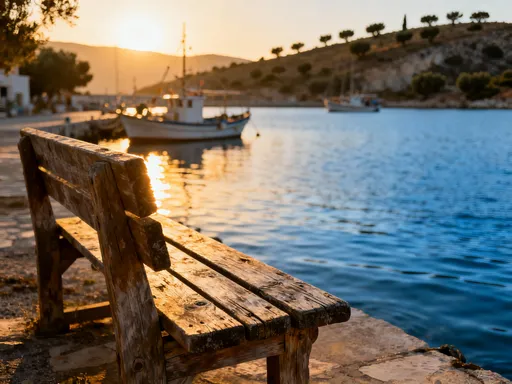
Stretching along the Black Sea coast, Varna’s seaside promenade is the city’s most vibrant artery—a place where life unfolds in layers. By morning, it belongs to joggers and dog walkers, their breath visible in the cool air as gulls circle above. By midday, families claim benches and grassy patches, children building sandcastles near the water’s edge. As evening falls, couples stroll hand in hand, street musicians tune their instruments, and the scent of grilled fish drifts from nearby kiosks. This stretch of coastline is not merely scenic; it is essential to how Varna lives and breathes.
The design of the promenade reflects a deep understanding of human movement and social interaction. Wide, smooth pathways accommodate strollers, cyclists, and inline skaters without congestion. Lush green belts separate pedestrian zones from traffic, creating a buffer that enhances safety and tranquility. Periodic plazas and seating areas invite pause, while public restrooms, drinking fountains, and shaded pavilions ensure comfort throughout the day. These thoughtful details make the space inclusive—accessible to the elderly, parents with young children, and visitors with limited mobility.
What truly sets the promenade apart is how it balances tourism with local life. Unlike resort towns where visitors dominate, Varna’s waterfront remains a shared space. Locals come here not because it’s a 'must-see,' but because it’s part of their routine. Fishermen cast lines from stone jetties, teenagers gather near skate ramps, and elderly couples sit on familiar benches exchanging quiet words. This coexistence gives the promenade authenticity—a rare quality in an age of over-commercialized destinations.
The sea itself plays a quiet but powerful role. Its presence is constant—the sound of waves, the shifting light on the water, the occasional breeze that carries the scent of salt and sun-warmed stone. In summer, the water is dotted with swimmers and paddleboarders; in winter, it turns a deep, moody gray, still drawing people to its edge. The promenade doesn’t try to compete with the sea; it frames it, offering views that change with the hour and the season. This dynamic relationship between city and nature is at the heart of Varna’s appeal.
Old Town’s Hidden Passages: Layers of Time Underfoot
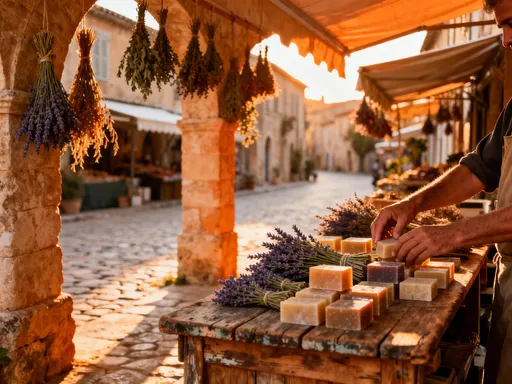
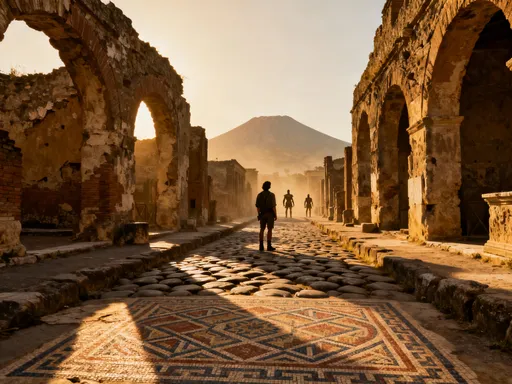
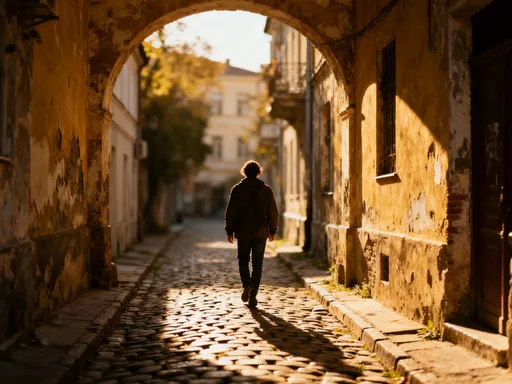
Just beyond the bustling promenade lies Varna’s Old Town—a labyrinth of narrow streets, arched doorways, and courtyards tucked behind unassuming facades. Here, the city’s past is not preserved behind glass, but lived in. Roman ruins peek through modern paving stones, 19th-century houses with wrought-iron balconies stand shoulder to shoulder with modest shops, and the scent of jasmine spills over garden walls. This is a place where history isn’t displayed; it’s absorbed into the rhythm of daily life.
Walking through these alleys feels like stepping into a different dimension—one where time moves more slowly and attention is rewarded. A simple turn down a side street might reveal a centuries-old chapel tucked between cafes, or a hidden courtyard where laundry flutters in the breeze and cats nap in patches of sunlight. These spaces are not marked on most tourist maps, yet they hold the soul of the city. They are intimate, unpolished, and deeply human—places where life happens without performance.
Urban preservation in Varna’s Old Town is subtle but effective. Rather than restoring buildings to a pristine, museum-like state, many structures have been adapted for contemporary use while retaining their character. A former merchant’s house might now house a family-run restaurant, its wooden beams and stone floors preserved but not fetishized. This approach allows the past to coexist with the present, creating a layered experience that feels authentic rather than staged.
For the curious traveler, these hidden passages offer a different kind of discovery—one that can’t be rushed or scheduled. There are no timed tours or ticketed entries, just the freedom to wander and observe. A weathered door slightly ajar might lead to a sun-drenched courtyard with a fountain; a staircase winding upward could open onto a rooftop view of terracotta roofs and distant sea. The joy lies not in checking off landmarks, but in the quiet moments of surprise—finding beauty where you least expect it.
Public Squares as Living Rooms: The Role of Shared Space
In Varna, town squares are not decorative afterthoughts—they are living rooms for the community. Liberation Square, the city’s central plaza, is a prime example. By day, it’s a place of movement—people crossing through on their way to work, students reading under trees, vendors selling flowers and roasted chestnuts. By evening, it transforms into a gathering place, where friends meet for coffee, musicians play, and families linger after dinner. The square doesn’t impose a single function; it adapts, breathing with the city’s daily pulse.
Smaller neighborhood squares offer a more intimate experience. Tucked between residential buildings, these spaces often feature a fountain, a few benches, and a scattering of trees. They are used for impromptu conversations, children’s games, and quiet afternoons with a book. Unlike grand, formal plazas designed for ceremony, these hubs thrive on informality. There are no strict rules, no enforced silence—just a gentle understanding that this is shared ground, meant to be used and enjoyed.
What makes these squares so effective is their design. Seating is plentiful and varied—stone benches, wooden chairs, even low walls that double as perches. Greenery is integrated naturally, with trees providing shade and seasonal color. Lighting is soft and functional, ensuring safety without glare. Most importantly, these spaces are accessible—no steps, no barriers, no sense of exclusion. Anyone can enter, sit, stay. This inclusivity fosters a quiet sense of belonging, where people feel they have a right to be there, simply by existing.
Markets, festivals, and public events further animate these squares, turning them into stages for community life. A weekend farmers’ market brings color and scent—baskets of tomatoes, wheels of cheese, jars of honey. A holiday celebration fills the air with music and laughter. Even in quieter moments, the potential for connection is present. A nod to a neighbor, a shared smile over a barking dog—these small interactions build the fabric of urban life. In a world where digital spaces often replace physical ones, Varna’s squares remind us of the value of face-to-face presence.
Green Oases: Parks That Breathe With the City
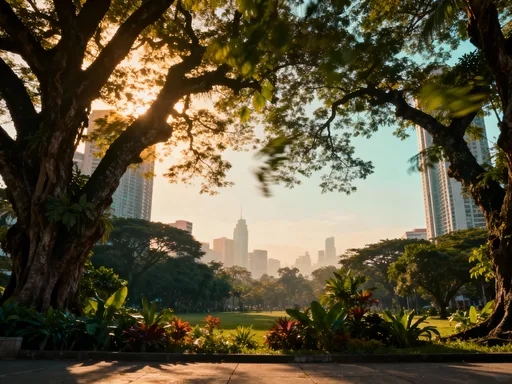
Amid the density of urban life, Varna’s parks serve as lungs—spaces where the city can pause, breathe, and reconnect with nature. Marine Park, one of the largest, is a masterclass in urban green space. Its winding paths, shaded groves, and open lawns provide relief from the built environment, offering not just beauty but functional respite. Here, joggers weave through tree-lined trails, parents push strollers along flat paths, and elderly couples sit on benches reading newspapers. The park is not a retreat from the city; it is an extension of it.
Biodiversity is quietly celebrated. Native trees—plane, oak, and pine—provide habitat for birds and insects, while flowerbeds burst with seasonal color. A small botanical garden within the park introduces visitors to regional flora, labeled with both common and scientific names. These details reflect a respect for nature not as decoration, but as a vital component of urban health. Even in winter, when leaves fall and temperatures drop, the park remains in use—dog walkers, bundled-up readers, and photographers drawn to the stark beauty of bare branches against gray skies.
St. Cyril and St. Methodius Garden, located near the city center, offers a more formal but equally inviting atmosphere. Symmetrical pathways, ornamental fountains, and carefully pruned hedges create a sense of order and calm. This is a place for contemplation, where people come to escape the noise of traffic and commerce. Students study under trees, couples share quiet conversations, and tourists rest between sightseeing stops. The garden’s central location ensures it is never far from reach, reinforcing the idea that nature should be woven into daily life, not reserved for special occasions.
What stands out is how these green spaces are used differently throughout the day. Morning brings exercise and solitude; midday, families and tourists; evening, social gatherings and romantic walks. The parks adapt without losing their essence. Benches face outward, encouraging observation rather than isolation. Paths are well-maintained but not overly manicured, preserving a sense of natural rhythm. Lighting is discreet, ensuring safety without disrupting the night’s quiet. These details reflect a deep understanding of how people interact with nature in urban settings.
Markets and Street Life: The Pulse of Everyday Varna
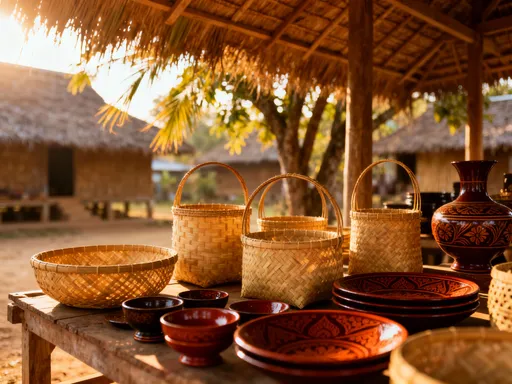
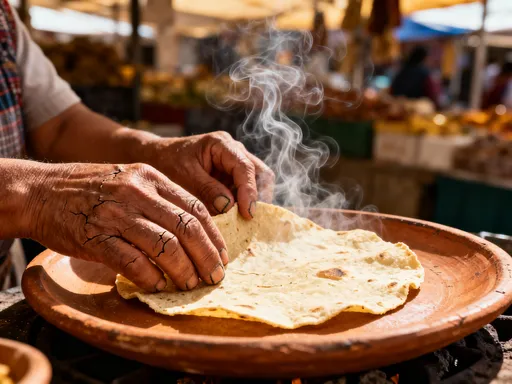
If Varna has a heartbeat, it can be found in places like the Kalegiatika Market—a bustling, sensory-rich hub where commerce and community intertwine. Unlike modern supermarkets or polished shopping malls, this market thrives on authenticity. Stalls overflow with fresh produce—crimson tomatoes, golden peppers, bundles of dill and parsley. Fishmongers display their catch on ice, their hands quick and practiced. Butchers hang slabs of meat behind glass, while bakers offer warm bread still fragrant from the oven. The air hums with voices, scents, and movement—a symphony of daily life.
This is not a market designed for tourists, though visitors are welcome. It exists because people need it, use it, and trust it. Shoppers know the vendors by name, exchange news while weighing potatoes, and haggle with a smile. Transactions are more than economic—they are social rituals, reinforcing bonds within the community. A grandmother might ask a fishmonger for the freshest mackerel, then linger to hear about his grandson’s school play. A young woman buys herbs for dinner and leaves with a sprig of rosemary as a gift. These small exchanges are the invisible threads that hold neighborhoods together.
The surrounding streets echo this energy. Narrow lanes filled with small shops—hardware stores, fabric sellers, apothecaries—operate at a human scale. Storefronts are unpretentious, windows crowded with goods, signs handwritten or faded. There’s no attempt to charm or impress; these businesses serve a purpose, and their longevity speaks to their value. Walking through this district, one feels the weight of continuity—generations of families running the same shops, passing down skills and relationships.
For the observant traveler, this is where the most genuine moments occur. A vendor offers a taste of honey, explaining how it’s made from wildflowers in the hills. A tailor measures a man for a suit, their conversation drifting into stories of past customers. A child presses her nose against a bakery window, counting pastries. These are not staged experiences; they are real, unfiltered slices of life. Embracing the chaos—navigating crowded aisles, deciphering signs, engaging in broken conversation—leads to deeper connection. It reminds us that travel is not just about seeing, but about feeling part of something larger.
Designing Discovery: How Varna Encourages Exploration
What makes Varna so conducive to wandering? The answer lies not in a single feature, but in a careful orchestration of urban design principles. The city is walkable by scale—most destinations are within a 20-minute stroll, and streets are narrow enough to feel intimate, yet wide enough to avoid congestion. This human-centered approach prioritizes pedestrians over vehicles, making movement feel safe and natural. Crosswalks are frequent, traffic moves slowly, and sidewalks are free of obstacles—small details that add up to a seamless experience.
Connectivity is another key factor. Streets flow into one another without dead ends or confusing junctions. Even in the Old Town, where alleys twist and turn, there’s a subtle logic—a sense that you can always find your way back. Signage is clear but unobtrusive, offering direction without dictating routes. This balance between guidance and freedom encourages exploration. You never feel lost, only discovered.
Visibility plays a quiet but powerful role. Open plazas, sightlines to the sea, and strategically placed benches allow for orientation without maps. You can always glimpse a landmark—a church spire, a park entrance, the glint of water—helping you mentally map your journey. This visual continuity reduces anxiety and enhances curiosity, making it easier to venture off the beaten path.
Finally, the city rewards attention. Benches face interesting views—a fountain, a flower bed, a busy intersection. Lighting highlights architectural details at night. Small surprises—a mural around a corner, a cat in a window, a musician in a doorway—keep the experience dynamic. These micro-moments of delight reinforce the joy of walking, turning a simple stroll into a journey of discovery. Varna doesn’t need grand attractions to captivate; it understands that wonder lives in the ordinary, waiting to be noticed.
In a world where many cities prioritize efficiency over experience, Varna stands as a quiet example of how urban spaces can nurture both. Its strength lies not in monuments, but in the way its streets, squares, and gardens come alive with daily life. It doesn’t shout; it murmurs, inviting you to slow down, look closely, and listen with your feet. The best discoveries aren’t found in guidebooks—they happen when you let the city guide you, one quiet moment at a time. So next time you visit, don’t just see the sights—feel the spaces. Because that’s where the soul of a place truly lives.