This Is What Happens When You Hike to Punakha’s Hidden Valleys
You know that feeling when the trail gets steep, your legs burn, but your breath stops—not from exhaustion, but awe? That was me in Bhutan’s Punakha Valley. Far beyond postcard views, this journey takes you through silent forests, over creaking suspension bridges, and into landscapes that feel untouched by time. I didn’t just see beauty—I felt it. If you're craving a trek where every turn reveals something sacred, wild, and real, this is it. Let me show you why.
Why Punakha? The Allure of Bhutan’s Spiritual Heartland
Punakha is more than a destination; it is a living testament to Bhutan’s harmonious relationship between nature and culture. Nestled at the confluence of the Mo Chhu and Pho Chhu rivers, this valley lies in one of the country’s most fertile and temperate regions, sheltered by towering Himalayan ridges yet warmed by subtropical air currents. Historically, Punakha served as the ancient capital of Bhutan and remains a spiritual center, housing the winter residence of the country’s Chief Abbot. Its dzong, or fortress-monastery, stands as a masterpiece of traditional Bhutanese architecture, its golden roofs gleaming against the green hills.
What sets Punakha apart for travelers seeking authenticity is its balance of accessibility and serenity. Unlike higher-altitude treks that demand acclimatization and extreme endurance, Punakha offers a gentler ascent, making it ideal for those who want immersion without overwhelming physical strain. The valley’s elevation—around 1,200 meters—creates a climate where orchids bloom on forest edges and rice paddies shimmer in the sun. This unique blend of spiritual depth and natural abundance draws trekkers not just for scenic rewards, but for moments of quiet reverence.
Moreover, Bhutan’s national philosophy of Gross National Happiness infuses the region with a palpable sense of well-being. Development here respects ecological limits, and tourism is carefully managed to preserve cultural integrity. Visitors to Punakha do not merely pass through—they are invited to slow down, observe, and connect. For women in their 30s to 50s, many of whom carry the weight of family, work, and personal expectations, such a journey becomes more than a vacation. It becomes a rare opportunity to reclaim stillness, to walk without agenda, and to remember what it feels like to be fully present.
The Trek Begins: Stepping Into Silence and Green
The trail into Punakha’s hidden valleys often starts near the edge of a village, where stone paths wind past whitewashed homes adorned with colorful prayer flags. As you step away from the last signs of motor traffic, the world softens. The air grows cooler, filtered through layers of rhododendron, fern, and bamboo. Birdsong replaces engine noise—woodpeckers tap in the distance, bulbuls call from thickets, and the occasional whistle of a Himalayan flycatcher cuts through the canopy. Each breath carries the scent of moss, wet soil, and wild mint crushed underfoot.
This transition from daily life to mountain rhythm happens quickly, sometimes within just ten minutes of walking. The narrow footpath, barely wide enough for two, follows the curve of a hillside, tracing the contours of rice terraces that cascade like green steps toward the river below. Farmers in wide-brimmed hats pause their work to offer quiet smiles. Children returning from school wave shyly, their backpacks bright against the muted greens and browns of the landscape. There is no rush, no expectation to perform—only the steady rhythm of walking and watching.
For many, especially those accustomed to the constant stimulation of modern life, this sensory shift is profound. The mind, used to multitasking and digital alerts, begins to settle. Thoughts that once raced now slow, making space for observation. A spiderweb glistens with dew. A lizard darts across sun-warmed rock. These small details, often overlooked, become points of wonder. The trek does not demand heroism; it invites awareness. And in that awareness, there is healing—a gentle reminder that peace is not found in escape, but in presence.
Crossing the Iconic Suspension Bridge: A Rite of Passage
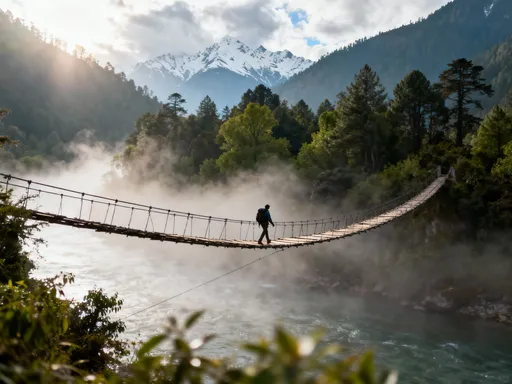
One of the most memorable moments on the Punakha trek comes when you reach the long suspension bridge that spans the Mo Chhu River. Built with wooden slats and reinforced with iron cables, this bridge sways gently with each step, its rhythmic creak echoing over the rush of water below. For some, the crossing brings a flutter of fear—the gap between planks allows glimpses of the swirling turquoise current, and the wind tugs at loose clothing. But for most, it becomes a moment of quiet triumph, a symbolic threshold between the ordinary and the extraordinary.
As you walk across, the view opens in every direction: the river carving its path through ancient rock, the dzong rising majestically on the far bank, and the surrounding hills draped in mist. The bridge itself, though simple in design, speaks of resilience and connection. It links villages, transports goods, and carries pilgrims toward sacred sites. To cross it on foot is to participate in a tradition older than memory. There are no handrails made of glass for selfies, no commercial stalls—only the raw, unfiltered experience of movement over water and height.
Many trekkers pause in the middle, steadying themselves against the cables to take in the panorama. It is here that the scale of the landscape truly registers. The river, powerful yet serene, has shaped this valley over millennia. The mountains, cloaked in forest, stand as silent witnesses to centuries of change. And you, small and temporary, are allowed a fleeting glimpse into their timelessness. That feeling—of being both insignificant and deeply connected—is at the heart of the Punakha experience. The bridge does not just carry you across the river; it carries you into a different state of mind.
Hidden Vistas: Where the Land Unfolds in Layers
As the trail climbs gradually, the valley reveals itself in layers, like the petals of a flower unfolding at dawn. Each bend offers a new perspective—a hillside dotted with chortens painted with mantras, a distant peak dusted with snow even in spring, or a cluster of traditional homes with slate roofs nestled into a fold of the land. These viewpoints are not marked by signposts or crowded overlooks. They appear quietly, almost by invitation, rewarding those who walk with patience and attention.
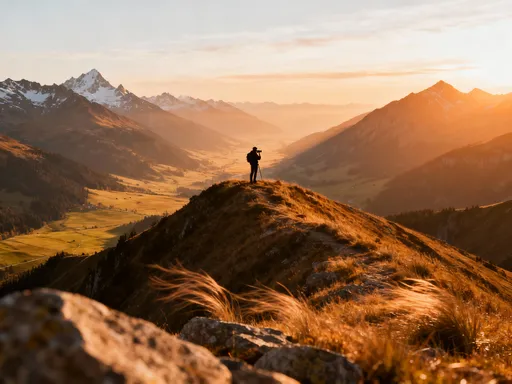
One particularly striking vantage point emerges after a gentle ascent through a pine-scented ridge. From here, the entire Punakha Valley stretches out like a living map. The two rivers—Mo Chhu and Pho Chhu—twist toward their confluence, their waters shifting from deep emerald to milky turquoise as they carry glacial silt. Terraced fields cling to steep slopes, meticulously maintained by hand. Smoke rises from a few chimneys, blending with the morning mist. In the far distance, the Black Mountains form a jagged horizon, their peaks still holding winter’s last snow.
What makes these vistas so powerful is not just their beauty, but their stillness. There are no drones buzzing overhead, no loudspeakers announcing attractions. The silence is thick, broken only by the wind or the distant chime of a temple bell. This absence of noise allows the mind to expand. You begin to notice patterns—the way sunlight moves across a field, the flight path of a bird circling above a ridge, the rhythm of clouds drifting over a peak. These observations, simple and unhurried, become a form of meditation. For women who spend their days managing schedules and solving problems, this kind of quiet focus is not just refreshing—it is restorative.
Photographs, though beautiful, cannot capture the full depth of these moments. The real reward lies in the act of witnessing—of standing still and letting the landscape speak. The hills do not hurry. The rivers do not rush. And in their steadiness, there is a quiet lesson: that some things are meant to be experienced slowly, deeply, and without distraction.
Sacred Encounters: Monasteries, Chortens, and Local Life
Throughout the trek, signs of Bhutan’s spiritual life appear naturally, woven into the landscape rather than imposed upon it. Small monasteries perch on hilltops, their prayer flags fluttering in the wind. Chortens—stone stupas inscribed with prayers—mark crossroads and trail junctions, often adorned with fresh flowers or butter lamps left by passing pilgrims. These structures are not museum pieces; they are living elements of daily practice, visited by locals who walk the same paths for devotion as others do for exploration.
Along the way, you may encounter elderly women spinning handheld prayer wheels, their lips moving in silent mantras. Farmers pause to pour a small offering of rice at a wayside shrine before returning to their fields. Children circle a chorten clockwise, as tradition teaches, their laughter echoing in the open air. These moments are not staged for tourists; they are glimpses into a culture where spirituality is not separate from life, but integral to it. There is no pressure to participate, only the invitation to observe and reflect.
For many female trekkers, these encounters evoke a deep emotional resonance. In a world where faith is often loud or politicized, Bhutan offers a different model—one of quiet devotion, humility, and gratitude. The simplicity of a butter lamp lit at dawn, the repetition of a mantra turned on a prayer wheel, the care taken in building a cairn of stones—these acts speak of a life lived with intention. They remind us that meaning does not require grand gestures, but consistent, mindful choices.
Even the architecture reflects this philosophy. Homes are built with local stone and timber, their designs passed down through generations. Windows are painted with intricate patterns, and rooftops are weighted with stones to withstand mountain winds. Nothing is wasted. Everything has purpose. In seeing how people live in harmony with their environment, visitors often find themselves rethinking their own relationship with consumption, space, and time.
The Weather Whisperer: How Conditions Shape the Experience
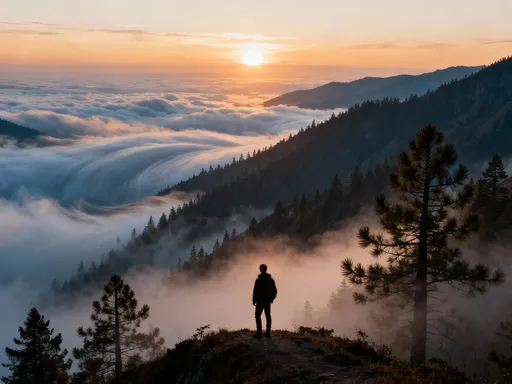
In Punakha, the weather is not just a backdrop—it is a companion on the journey. Mornings often begin with a veil of mist curling through the valleys, softening edges and turning distant peaks into ghostly silhouettes. By midday, the sun burns through, illuminating the greenery in brilliant clarity. In the afternoon, sudden showers may sweep in, drumming on broad leaves before passing as quickly as they came. And in the evening, a golden light settles over the hills, deepening shadows and warming stone walls.
These shifts are not disruptions; they are part of the valley’s rhythm. Trekkers who understand this learn to move with the weather, not against it. The best time to begin a hike is early—between 6:30 and 8:00 a.m.—when the air is crisp and the trails are quiet. By late morning, temperatures rise, making the climb more taxing. Afternoon rains, though brief, can make paths slippery, especially on shaded slopes. A lightweight rain jacket and sturdy footwear with good grip are essential, as are layers that can be added or removed as conditions change.
But beyond practicality, the weather enhances the emotional texture of the trek. Walking through a misty forest feels mysterious, almost dreamlike. Sunlight breaking through clouds after a storm feels like a gift. Rain-washed air carries scents more vividly—the sharpness of pine, the sweetness of damp earth. These sensory shifts keep the journey dynamic, preventing monotony and deepening engagement with the surroundings.
Local guides often speak of the weather as a teacher. It reminds us that we cannot control everything, and that beauty exists in all conditions—not just clear skies. A foggy morning may obscure the views, but it draws attention to what is near: the texture of bark, the pattern of moss, the sound of a hidden stream. In learning to appreciate these smaller details, trekkers cultivate a more resilient kind of joy—one that does not depend on perfect circumstances, but flourishes in the ordinary.
Beyond the View: Why This Trek Changes You
The Punakha trek is not measured in kilometers or elevation gain, but in moments of quiet transformation. It is the space between footsteps where thoughts settle. It is the breath held at a viewpoint, not just for the scenery, but for the sudden clarity of mind. It is the realization, halfway up a hill, that you are stronger than you thought—and also softer, more open to wonder.
Modern life, especially for women balancing multiple roles, often equates value with productivity. We measure days by tasks completed, messages answered, meals prepared. The Punakha trek disrupts this logic. Here, value is found in stillness, in observation, in simply being. There are no emails to check, no meetings to schedule, no demands pulling you in different directions. The only urgency is the next step, the next breath, the next moment of awareness.
In that simplicity, something profound happens. The mind, freed from constant input, begins to heal. Old worries lose their sharp edges. New perspectives emerge. A woman walking this trail may find herself reflecting on her life not as a series of duties, but as a journey with its own rhythm and purpose. She may remember dreams set aside, passions long neglected, or simply the joy of moving her body through beautiful space.
More than any photo or souvenir, this inner shift is the true souvenir of the trek. It does not vanish when you return home. Instead, it lingers—in the way you pause to watch sunlight through a window, in the decision to walk instead of drive, in the choice to listen more deeply. The mountains do not change you by shouting; they change you by whispering. And sometimes, all it takes is one quiet path, one deep breath, one moment of awe to begin listening again.
The Path That Leads Back to Yourself
The trek to Punakha’s hidden valleys is not an escape from life, but a return to its essence. It strips away noise, clutter, and expectation, leaving only what is real: the feel of earth underfoot, the sound of wind in the trees, the quiet pulse of your own heart. In a world that rarely asks us to slow down, this journey offers a rare permission—to walk slowly, to breathe deeply, to see clearly.
What you discover along the way is not just a beautiful landscape, but a deeper connection to yourself. The suspension bridge, the misty ridges, the prayer flags fluttering in the wind—they are not just sights to see, but mirrors reflecting your own resilience, curiosity, and capacity for wonder. You do not need to be an experienced hiker or a spiritual seeker to be moved by this place. You only need to be willing to walk, to notice, and to feel.
So if you have ever longed for a journey that nourishes the soul as much as it delights the eyes, consider Punakha. Let the trail carry you beyond the familiar, beyond the rush, beyond the noise. Let it remind you that beauty exists not just in grand vistas, but in quiet moments—the warmth of sun on stone, the smile of a farmer, the stillness after rain. And when you return, you may find that the path did not just lead through the mountains. It led back to yourself.