White Marble Dreams: Discovering Ashgabat’s Secret Urban Soul
Have you ever walked through a city that feels like a dream? Ashgabat, the capital of Turkmenistan, surprised me with its vast boulevards, gleaming white marble buildings, and quiet plazas. Far from the typical travel path, this desert capital reveals a unique urban landscape shaped by history, ambition, and isolation. Exploring its city spaces feels like stepping into a carefully curated vision of modernity. The air is still, the streets are wide, and the architecture shines with an almost surreal perfection. It is not a city that shouts; it whispers—a hushed monument to order, symmetry, and control.
First Impressions: A City Wrapped in White
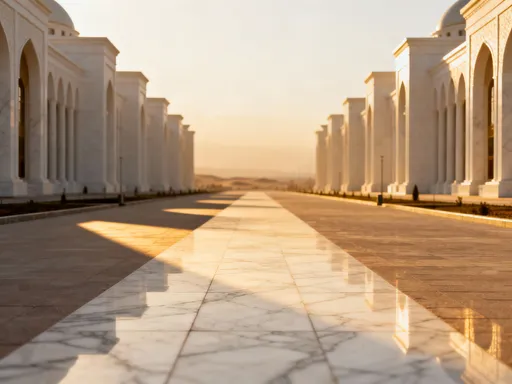
Arriving in Ashgabat, one is immediately struck by the overwhelming presence of white. The city gleams under the Central Asian sun, its surfaces polished to a near-luminous finish. The use of white marble in construction is not merely aesthetic—it is monumental. In fact, the Guinness World Records officially recognized Ashgabat in 2013 for having the highest concentration of white marble-clad buildings in the world. This distinction is more than a trivia note; it defines the city’s visual and emotional character. Walking through its central districts feels like moving through a sculpted environment, where every façade, column, and cornice contributes to a sense of pristine uniformity.
The scale of the architecture is imposing. Government buildings, cultural centers, and residential towers rise with symmetrical precision, often stretching across entire city blocks. Avenues are broad enough to accommodate military parades, which they occasionally do, and sidewalks are wide but sparsely used. The urban planning reflects a top-down vision—one that prioritizes monumentality over intimacy. There are few street-level details, little signage, and minimal commercial clutter. This absence of visual noise creates a surreal calm, but also a sense of detachment. The city appears designed not for the everyday lives of its residents, but as a stage for national identity.
The marble, imported and locally quarried, covers not just walls but columns, fountains, and even decorative planters. Its reflective quality intensifies the desert light, creating a glare that can be both dazzling and disorienting. During midday, the heat bounces off the surfaces, making the city feel even more inhospitable to pedestrian movement. Yet, in the early morning or late afternoon, when the sun is lower, the marble takes on a softer hue—ivory, pearl, pale gold—giving the city a dreamlike glow. It is in these moments that Ashgabat reveals its quieter beauty, a beauty that exists beneath the surface of its rigid formality.
Still, the overwhelming whiteness raises questions. Is this an expression of purity, progress, or power? The answer seems to be all three. The marble symbolizes a break from the Soviet past and an assertion of national pride. It signals modernity, even if that modernity feels more performative than lived. For visitors, the effect is mesmerizing at first, then gradually becomes a bit unnerving. There is something almost otherworldly about a city so meticulously maintained, so devoid of chaos. It is not a place that invites spontaneity; it demands reverence.
The Heart of the City: Central Squares and Public Life
At the core of Ashgabat’s urban design are its grand public squares—vast open spaces framed by monumental architecture. Independence Square, one of the largest in Central Asia, serves as the city’s symbolic center. Flanked by government buildings, museums, and the National Flagpole—one of the tallest in the world—the square is designed for spectacle. It hosts national celebrations, military parades, and state ceremonies, but on ordinary days, it is strikingly empty. Few people linger here. There are no street vendors, no impromptu gatherings, no children playing. The space feels more like a set piece than a living part of the city.
The Monument of Neutrality, once located at the heart of the city and since relocated to the suburbs, remains an iconic symbol. Its three golden statues rotating to follow the sun once stood as a testament to Turkmenistan’s official policy of permanent neutrality. Though no longer in the city center, its legacy endures in the way public spaces are conceived—not as forums for civic exchange, but as backdrops for national narratives. The area around it, now a traffic circle with ceremonial buildings, continues to prioritize symbolism over function.
These spaces are meticulously maintained. Lawns are trimmed to perfection, fountains operate on schedule, and flowerbeds are replanted with seasonal precision. Yet, despite their beauty, they do not invite use. Benches are present but often isolated or placed in unshaded areas. There are few shaded walkways, little seating in clusters, and no spaces designed for informal conversation or relaxation. The architecture dominates the human scale, making individuals feel small, even insignificant. This is not accidental. The design reinforces a sense of order and hierarchy, where the state’s presence is constant and overwhelming.
One might expect such grandeur to foster pride or a sense of belonging among residents. Yet, the lack of organic activity suggests a disconnect between the city’s image and the daily lives of its people. Public life in Ashgabat does not unfold in these official spaces. Instead, it happens elsewhere—on side streets, in courtyards, in markets. The central squares remain impressive, even awe-inspiring, but they are not where the city breathes. They are monuments to an idea of urbanism, not to urban life itself.
Hidden Corners: Where Locals Live and Move
Beyond the marble-clad center, Ashgabat reveals a different rhythm. In the residential neighborhoods, the city becomes more intimate, more human. Here, Soviet-era apartment blocks stand alongside newer private homes, often surrounded by high walls and iron gates. The streets narrow, the sidewalks become uneven, and the pace of life slows. This is where most Ashgabatis live, away from the ceremonial heart of the capital. It is in these areas that daily routines unfold—children walking to school, women carrying groceries, elders sitting on benches in the shade.
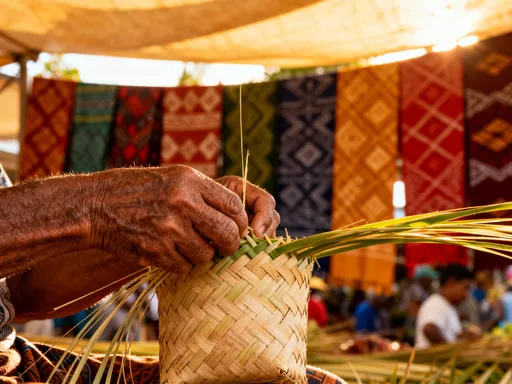
Local markets, such as the Tolkuchka Bazaar on the city’s outskirts, offer a vivid contrast to the sterile plazas. Though not within the official city center, Tolkuchka is one of the largest markets in Central Asia, drawing vendors and shoppers from across the country. The atmosphere is lively, even chaotic. Stalls overflow with fresh produce, textiles, spices, and household goods. The air hums with conversation, bargaining, and the occasional call to prayer from a nearby mosque. This is where the city’s true diversity emerges—ethnic groups, regional dialects, traditional clothing, and culinary specialties come together in a vibrant mosaic.
These informal spaces reveal how people adapt to the city’s rigid framework. In a capital designed for display, residents carve out their own pockets of normalcy. Courtyards become gathering places. Alleyways serve as shortcuts. Small tea shops function as social hubs. The contrast between the planned city and lived reality is stark. While the center reflects a top-down vision of order and modernity, the periphery reflects resilience, adaptability, and community.
Walking through these neighborhoods, one notices the subtle signs of life that are absent downtown—clotheslines strung between buildings, potted plants on balconies, hand-painted signs for local services. These details, though modest, speak to a deeper truth: that cities are not defined solely by their monuments, but by the people who inhabit them. Ashgabat’s soul, it seems, is not in its marble façades, but in these quiet, uncelebrated corners where life persists, quietly and steadily.
Transport and Flow: How the City Breathes (or Doesn’t)
Mobility in Ashgabat reflects a tension between legacy and ambition. The city’s road network is extensive, with wide avenues radiating outward from the center. Cars dominate the landscape, and traffic, while not heavy by global standards, moves with a steady, almost mechanical rhythm. Public transportation exists—buses and a small metro system—but it is underutilized. The metro, opened in 1986 and expanded in recent years, is clean, quiet, and largely empty. Stations are adorned with marble, chandeliers, and mosaics, resembling underground palaces more than transit hubs. Yet, few residents rely on it for daily commutes.
The city’s layout discourages walking. Distances between key points are vast, shade is limited, and pedestrian crossings are often poorly marked or far apart. Sidewalks, where they exist, are sometimes obstructed by construction, parked vehicles, or utility poles. Crossing a major avenue can feel like an expedition. This car-centric design prioritizes speed and efficiency over accessibility, making the city difficult to navigate on foot. For visitors, this creates a sense of isolation—there is always a gap between destinations, a buffer of empty space that must be crossed.
The lack of pedestrian infrastructure reflects broader urban priorities. Ashgabat was not designed as a walkable city. It was designed to be seen from a moving vehicle, to impress from a distance. This is evident in the placement of monuments, the alignment of boulevards, and the emphasis on visual continuity. Movement is controlled, directed, and often segregated. Cyclists are rare, and there are no dedicated bike lanes. The few parks and green spaces are not connected by pedestrian pathways, further limiting spontaneous exploration.
Yet, within this constrained system, people find ways to move. Shared taxis, known locally as marshrutkas, operate on flexible routes, filling gaps in the formal transit network. These minibuses, though unmarked and informal, are often the most reliable way to reach residential areas or markets. Their presence suggests a demand for mobility that the official system does not fully meet. It is another example of how residents adapt to the city’s limitations, creating informal solutions where formal ones fall short.
Green Spaces in the Desert: Parks as Urban Oases
In a region defined by arid landscapes and extreme temperatures, green spaces in Ashgabat are not just amenities—they are necessities. Parks like Berkararlyk Park and Aşgabat Baýramy Park serve as vital respites from the heat and the city’s hard surfaces. These spaces are meticulously landscaped, with irrigated lawns, flowerbeds, and rows of trees. Fountains and water features add both visual interest and cooling effects. The effort to sustain greenery in the desert is immense, requiring sophisticated irrigation systems and constant maintenance.
Yet, despite their lush appearance, many parks feel more like displays than destinations. They are often enclosed, gated, or monitored. Entry may require tickets or identification, especially in the evenings. Benches are spaced apart, pathways are wide and straight, and there are few areas for unstructured play or relaxation. Children’s playgrounds exist but are often underused. The parks are beautiful, even impressive, but they lack the organic energy of truly public spaces. They are maintained for appearance, not for use.
Berkararlyk Park, one of the largest, includes a lake, walking trails, and exercise equipment. It is popular in the early mornings and late afternoons, when temperatures are bearable. Locals jog, walk dogs, or sit in small groups. But even here, there is a sense of restraint. Loud music, picnics, or large gatherings are uncommon. The atmosphere remains quiet, almost reverent. This is not a place for celebration or spontaneity; it is a place for order and routine.
The challenge for Ashgabat is not just creating green spaces, but making them accessible and inviting. In other cities, parks serve as social equalizers—places where people from different backgrounds come together. In Ashgabat, they remain somewhat exclusive, both in design and in practice. The city’s ambition to create an urban oasis is commendable, but it must also consider how these spaces are used, not just how they look. True sustainability requires not only water and maintenance, but also community engagement and freedom of use.
Architecture as Identity: Monuments and National Narrative
The skyline of Ashgabat is a canvas of national identity. Towering structures—government buildings, cultural centers, and monuments—dominate the horizon. Their designs blend modernist forms with traditional Turkmen motifs: intricate patterns, turquoise domes, and ornate façades inspired by ancient caravanserais and mosques. This architectural language is deliberate. It communicates a vision of a nation that is both modern and rooted in heritage. Every dome, every arch, every golden statue tells a story—one of resilience, independence, and pride.
The Ministry of Foreign Affairs building, with its curved glass façade and traditional ornamentation, exemplifies this fusion. So does the Ashgabat Circus, shaped like a Turkmen yurt, a nod to nomadic traditions. These buildings are not just functional; they are symbolic. They project an image of a country that has emerged from its Soviet past and defined its own path. The use of national colors—green, red, white, and turquoise—is pervasive, reinforcing a sense of unity and identity.
But this architectural narrative is also tightly controlled. There are no contrasting styles, no experimental or private developments that challenge the official aesthetic. The cityscape is uniform, consistent, and highly curated. This reflects the broader political context—a society with limited public discourse, where state messaging permeates all aspects of life. Architecture becomes a tool of communication, one that leaves little room for ambiguity or dissent.
For visitors, this creates a fascinating but complex experience. The buildings are undeniably impressive, even beautiful. But they also raise questions about the relationship between power and space. Who decides what a capital should look like? Whose stories are told through stone and steel? In Ashgabat, the answer is clear: the state. The city is a monument to a singular vision, one that leaves little space for alternative voices. Yet, within this framework, residents continue to live, adapt, and find moments of connection—reminding us that even in the most controlled environments, human life finds a way to persist.
Final Reflections: The Quiet Power of Urban Space
Walking through Ashgabat is an exercise in contrasts. The city dazzles with its marble grandeur, yet feels strangely empty. It proclaims progress and modernity, yet limits movement and interaction. It is meticulously planned, yet life unfolds in the margins. This duality is what makes Ashgabat so compelling. It is not a city that reveals itself easily. It requires patience, observation, and reflection.
What does Ashgabat teach us about urban space? First, that architecture is never neutral. Every building, every street, every park carries meaning. In this city, those meanings are shaped by history, politics, and vision. The white marble is not just a material choice—it is a statement. The wide avenues are not just functional—they are symbolic. The underused plazas are not accidents—they are reflections of a particular way of governing and imagining society.
But cities are more than their official designs. They are also shaped by the people who live in them. In Ashgabat, daily life persists in the quiet corners, the local markets, the shared taxis, the early morning walks in the park. These moments of ordinary life are where the city’s true soul resides. They remind us that even in the most controlled environments, human connection, resilience, and dignity endure.
For the traveler, Ashgabat offers a rare opportunity—to see a capital that defies expectations, that challenges assumptions about what a city should be. It is not a place of warmth or spontaneity, but it is a place of profound quiet and introspection. It invites us to consider how space shapes emotion, how design influences behavior, and how even the most isolated cities are part of a larger human story. In the end, Ashgabat is not just a destination. It is a mirror—one that reflects not only its own identity, but also our own ways of seeing, moving, and belonging in the world.