You Won't Believe These Hidden Festival Gems in Fiji
When most people think of Fiji, they picture sandy beaches and overwater bungalows. But deep in the islands’ heart, something magical happens every year—vibrant, lesser-known festivals bursting with culture, music, and tradition. I stumbled upon one by chance and was blown away. These events aren’t in the guidebooks, but they’re where Fiji’s true spirit shines. If you're craving authenticity beyond the resorts, this is your sign to go.
The Festival Scene Beyond the Brochure
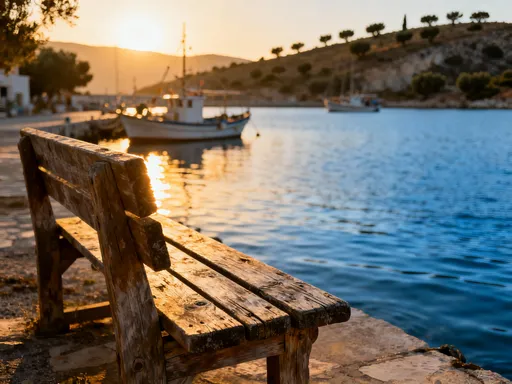
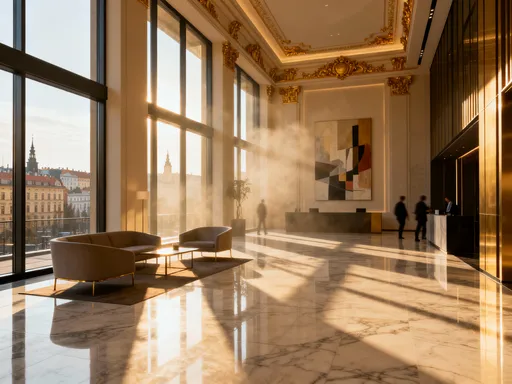
Fiji is often marketed as a tropical paradise for relaxation, a destination where time slows and the ocean sparkles endlessly. This image, while beautiful, captures only a fraction of what the islands offer. Beyond the luxury resorts and honeymoon packages lies a rich cultural landscape that thrives in community gatherings, ancestral customs, and seasonal celebrations. These local festivals are rarely highlighted in international travel campaigns, yet they are central to Fijian life. They reflect values of family, faith, and connection to the land—elements that define the soul of the nation.
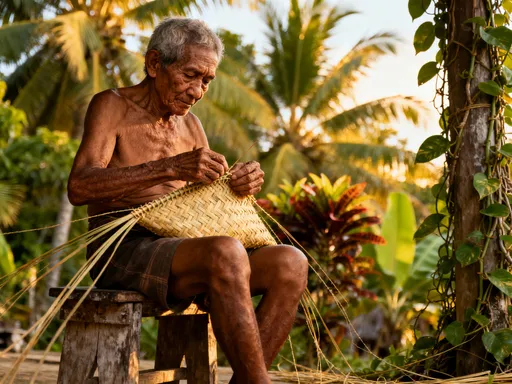
Unlike the polished performances created for tourists, these festivals unfold organically, shaped by generations of tradition. They are not staged for entertainment but lived as expressions of identity. Families prepare for months, weaving mats, rehearsing dances, and cooking in earth ovens. The energy is palpable—children laugh in the streets, elders share stories under banyan trees, and the scent of frangipani and woodsmoke lingers in the air. This is where visitors can witness Fiji not as a postcard, but as a living, breathing culture.
What makes these festivals so powerful is their authenticity. They are not designed to cater to foreign tastes or fit into a two-week island itinerary. Instead, they follow the rhythms of agricultural cycles, religious observances, and community milestones. By attending one, travelers gain more than a photo opportunity—they gain insight into how Fijians see themselves and their place in the world. It’s a rare chance to move beyond observation and step into genuine connection.
Discovering the Bula Festival in Nadi: More Than Just a Welcome
Held annually in July, the Bula Festival in Nadi is one of Fiji’s most vibrant yet underrated cultural events. While the word "bula" means "life" or "hello" in Fijian, the festival embodies much more than a greeting—it represents the spirit of welcome, joy, and community unity. What began as a small town celebration has grown into a week-long extravaganza that draws locals from across Viti Levu, yet remains largely unknown to international tourists. This low profile is part of its charm, allowing the event to retain its grassroots authenticity.
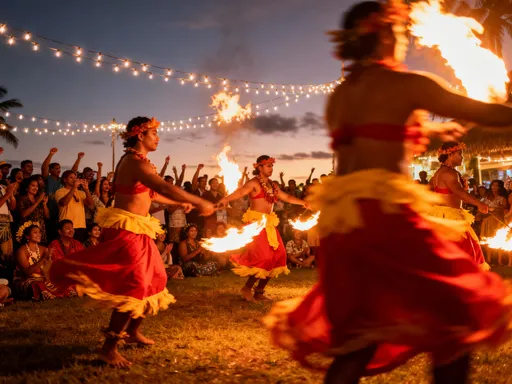
The festival kicks off with a colorful parade through the heart of Nadi, where floats adorned with tropical flowers glide down the main road. Dancers in traditional attire sway to the beat of lali drums, their movements telling stories of creation, war, and peace. Children wave flags and toss flower petals, while elders watch proudly from shaded stalls. The parade is not just a performance—it’s a declaration of pride, a way for villages to showcase their unique heritage through costume, song, and choreography.
One of the most unforgettable experiences during the Bula Festival is the firewalking ceremony, a centuries-old tradition rooted in the legends of the Beqa Lagoon. Though the original ritual takes place on Beqa Island, a demonstration is often included in the festival program. Watching barefoot men stride calmly across glowing embers is both awe-inspiring and humbling. It’s a reminder of the deep spiritual beliefs that continue to shape Fijian life, even in modern times. The air fills with anticipation as each participant steps forward, their calm demeanor belying the intense heat beneath their feet.
Equally captivating are the meke performances—traditional dances that blend storytelling, music, and movement. Each meke is carefully choreographed, often passed down through generations. Some recount historical battles, while others celebrate bountiful harvests or royal lineages. The dancers’ expressions are as important as their steps, conveying emotion with every gesture. For visitors, these performances offer a window into Fijian history and values, making the past feel vivid and immediate.
The Sugar Festival: A Sweet Celebration of Heritage
In the western city of Lautoka, known as the "Sugar City" of Fiji, the annual Sugar Festival is a joyful tribute to the industry that has shaped the nation’s economy for over a century. Held each August, this event honors the hard work of sugarcane farmers and the vital role agriculture plays in Fijian society. Unlike flashy commercial festivals, the Sugar Festival has a grounded, community-driven feel—more about pride than profit, more about people than promotion.
At the heart of the celebration is the sugarcane itself. Visitors can learn about the harvesting process, from planting to milling, through interactive exhibits and guided tours of nearby fields. Farmers share their experiences, explaining the challenges of seasonal labor and the importance of sustainable practices. For many families, sugarcane farming is not just a job but a way of life, passed from parent to child. The festival gives them a platform to share their stories and educate others about their contributions to the country’s development.
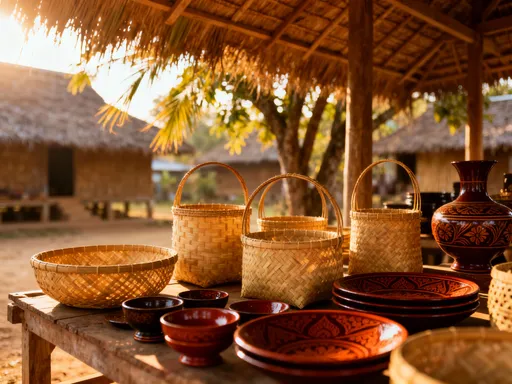
The festival grounds buzz with activity. Food stalls serve local delicacies—sweet fried dough, coconut bread, and fresh cane juice squeezed on the spot. Children enjoy face painting and sack races, while artisans display handwoven baskets and carved wooden utensils. One of the most anticipated moments is the crowning of the Sugar Queen, a young woman chosen for her leadership, academic achievement, and community involvement. This tradition emphasizes values of grace, intelligence, and service, offering a refreshing contrast to beauty pageants focused solely on appearance.
What makes the Sugar Festival special is its inclusivity. People of all ethnic backgrounds—iTaukei (indigenous Fijians), Indo-Fijians, and mixed-heritage families—come together to celebrate. Music blends Fijian harmonies with Indian rhythms, reflecting the multicultural fabric of the nation. This harmony is not always visible in political discourse, but at the festival, it thrives naturally. It’s a powerful reminder that shared labor and mutual respect can build strong, joyful communities.
Why These Festivals Stay Under the Radar
Despite their richness, festivals like the Bula and Sugar celebrations remain largely absent from mainstream tourism marketing. The reason lies in the priorities of the travel industry, which tends to emphasize relaxation, luxury, and ease. Resorts and tour operators focus on selling experiences that require minimal effort—sunbathing, snorkeling, spa treatments—rather than immersive cultural engagement. These low-effort activities appeal to a broad audience, especially first-time visitors seeking comfort and convenience.
Additionally, international promotion of Fijian culture often centers on curated performances at hotels or airport welcomes, where meke dances are shortened and adapted for tourist schedules. While these displays offer a taste of tradition, they lack the depth and spontaneity of community-led festivals. The real events take place outside resort zones, in town halls, village centers, and open fields—locations that don’t appear on standard tour itineraries. Without dedicated marketing or multilingual information, they remain invisible to most foreign travelers.
Language can also be a barrier. While English is widely spoken, many festival announcements and local guides are shared in Fijian or Hindi, limiting accessibility for international guests. Social media presence is often minimal, relying on word-of-mouth rather than digital campaigns. As a result, even travelers who seek authentic experiences may not know these festivals exist, let alone when and where to find them.
There’s also a deliberate choice by some communities to keep these events intimate. After years of seeing aspects of their culture commercialized or misrepresented, many Fijians prefer to protect their traditions by limiting outside participation. This isn’t exclusion—it’s preservation. They welcome respectful visitors, but on their terms. Understanding this balance is key to approaching these festivals with humility and care.
How to Experience These Festivals Like a Local
For travelers who wish to attend these hidden celebrations, preparation is essential. Start by researching the timing: the Bula Festival typically runs in mid-July, while the Sugar Festival takes place in August. However, exact dates vary slightly each year, so checking with local tourism offices or community websites a few months in advance is advisable. Booking accommodations early is also important, as guesthouses and homestays fill quickly during festival weeks.
Instead of staying in large resorts, consider choosing a family-run guesthouse or village lodge. These accommodations offer more than a place to sleep—they provide access to local networks, invitations to private events, and opportunities to learn customs firsthand. Many hosts are happy to explain etiquette, such as when to remove shoes before entering a meeting house or how to accept a kava cup with both hands. These small gestures show respect and open doors to deeper interactions.
Dress modestly and appropriately. During festivals, Fijians often wear sulus (wraparound skirts) and collared shirts, especially when attending ceremonies. Women may wear modest dresses or blouses with long skirts. Avoid revealing clothing, as many events take place in community or religious settings. Carrying a light shawl or sarong is practical and respectful, particularly when visiting villages or attending evening functions.
Photography should be approached with care. Always ask permission before taking photos of individuals, especially elders or performers in ceremonial dress. Some rituals, like the firewalking preparation, may be considered sacred and off-limits to cameras. When in doubt, observe what locals do and follow their lead. A smile and a polite request in Fijian—"Sa makawa niko?" (May I take a photo?)—can go a long way in building trust.
Bringing a small gift, such as packaged tea, biscuits, or school supplies, is a thoughtful gesture when visiting a host family or village. This practice, known as sevusevu, is a traditional way of showing respect. It’s not about the value of the gift but the intention behind it. Participating in this custom signals that you are not just a spectator, but a guest who values the relationship.
The Impact of Traveler Participation
When travelers attend local festivals, they bring more than curiosity—they bring economic and social benefits. Entrance fees, purchases from food stalls, and stays in homestays directly support families and small businesses. In rural areas where job opportunities are limited, this influx of income can make a meaningful difference. It encourages communities to maintain their traditions, knowing that their culture has value beyond their own borders.
Cultural preservation is another significant benefit. As younger generations move to cities or abroad, there’s a risk that traditional practices may fade. Festivals provide a space where elders can pass down knowledge—dance steps, songs, farming techniques—to younger relatives. When outsiders show genuine interest, it reinforces the importance of these customs and inspires pride among youth. A child who performs a meke for an attentive foreign visitor may grow up seeing their heritage as something to cherish, not discard.
However, increased attention also brings risks. If too many tourists arrive without understanding local norms, the experience can become diluted or even disrespectful. Performances might be shortened or altered to suit foreign expectations, turning sacred rituals into entertainment. This process, known as cultural commodification, can erode authenticity and leave communities feeling exploited rather than honored.
To prevent this, responsible tourism practices are essential. Travelers should approach festivals with humility, seeking to learn rather than consume. Supporting community-led initiatives, following local guidelines, and avoiding intrusive behavior helps maintain the integrity of the events. Tourism boards and guides also have a role in managing visitor numbers and educating guests about cultural sensitivity. The goal is not to keep festivals hidden, but to share them in a way that honors their meaning.
Planning Your Offbeat Fijian Adventure
Planning a trip centered around Fiji’s lesser-known festivals requires a different mindset than a typical beach vacation. Start by booking flights to Nadi International Airport, the main gateway to the islands. From there, domestic buses and shared taxis provide affordable access to Lautoka and other festival towns. Renting a car offers more flexibility, especially for visiting multiple villages or attending daytime events in remote areas.
When building your itinerary, balance festival time with quieter experiences. After the excitement of the Bula Festival, spend a few days on the Coral Coast, where you can walk secluded beaches, visit fruit markets, or take a guided nature hike. Combine the Sugar Festival with a trip to the nearby Sigatoka Sand Dunes or a riverboat ride through the jungle. These moments of calm allow you to reflect on what you’ve seen and deepen your connection to the islands.
Consider traveling with a local guide or joining a small cultural tour group. These experts can help you navigate logistics, translate conversations, and introduce you to community leaders. More importantly, they ensure your presence is welcomed and appropriate. Their knowledge of etiquette and timing can make the difference between a superficial visit and a meaningful exchange.
Pack with intention. Bring lightweight, breathable clothing suitable for warm weather, along with a rain jacket for sudden tropical showers. Don’t forget a reusable water bottle, sunscreen, and a small notebook to record your experiences. Most importantly, carry an open heart and a willingness to listen. The people you meet will likely be generous with their time and stories—if you are ready to receive them.
Conclusion
These hidden festivals are more than just events—they’re living expressions of Fijian pride, resilience, and joy. By choosing to attend them, travelers don’t just witness culture; they become part of its continuation. The real magic of Fiji isn’t just in its turquoise waters, but in the rhythm of its people’s celebrations. Let your next journey be one of meaning, memory, and genuine connection. Step off the beaten path, embrace the unexpected, and discover the Fiji that pulses with life beyond the postcard image.